
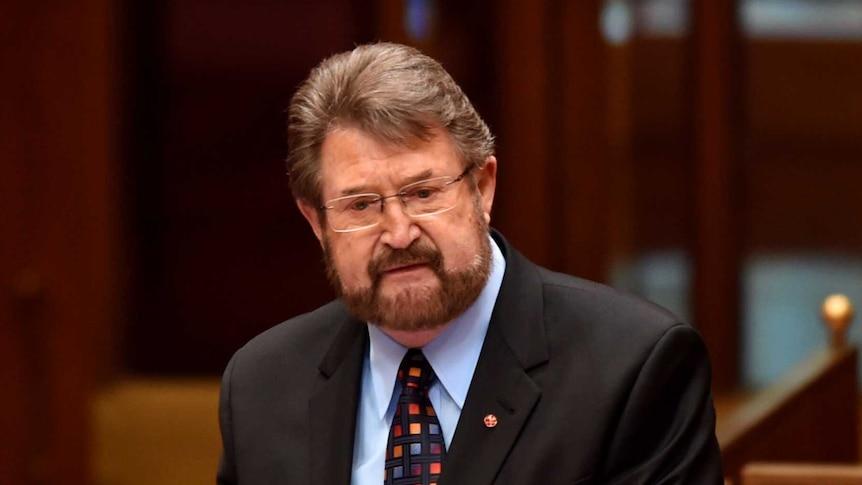
Veteran Australian journalist, broadcaster and former federal senator Derryn Hinch has died at the age of 82, ending a remarkable public career that stretched across journalism, talkback radio, television and politics.
Known nationally as the “Human Headline”, Hinch reportedly died peacefully following an extended period of poor health. For more than six decades, he remained one of Australia’s most recognisable, outspoken and frequently controversial media personalities.
Hinch was born in New Plymouth, New Zealand, before relocating to Australia during the 1960s. He went on to establish himself as a prominent newspaper journalist and broadcaster, developing a reputation for pursuing difficult stories and publicly confronting politicians, criminals and powerful institutions.
His direct and combative style helped make him a major figure in Australian talkback radio. He became particularly well known through his work at Melbourne radio station 3AW, where his interviews, commentary and campaigns attracted large audiences.
Hinch’s familiar sign-off, “That’s life”, became closely associated with his broadcasting career and was recognised by generations of Australian listeners and viewers.
Throughout his time in the media, Hinch regularly argued that the public’s right to information should take priority over secrecy. That position sometimes brought him into conflict with the courts and the legal system.
He served periods of imprisonment and home detention after breaching suppression orders, actions he defended as part of his campaign for greater transparency and stronger protections for victims of crime. His methods divided public opinion, with supporters praising his courage and critics questioning his willingness to disregard legal restrictions.
Hinch later moved from reporting on politics to participating directly in it. In 2016, he was elected as a senator for Victoria and entered federal Parliament as the leader of Derryn Hinch’s Justice Party.
During his three years in the Senate, he focused heavily on criminal justice reform, victims’ rights and tougher measures targeting convicted child sex offenders. He also used his parliamentary role to continue campaigns that had been central to his media work.
Although Hinch lost his Senate seat in 2019, he remained active in public debate and continued working as a commentator, broadcaster and writer.
His career continued despite a long series of serious health problems. Hinch underwent a liver transplant after suffering from liver cancer and also faced heart surgery, infections and other recurring medical complications.
Even during periods of declining health, he continued communicating with audiences and commenting on political, legal and social issues. Friends and former colleagues frequently described him as determined, resilient and deeply committed to journalism.
Tributes have been offered by figures from across Australia’s media and political communities. Prime Minister Anthony Albanese, former colleagues and fellow broadcasters remembered Hinch as a powerful media personality who was prepared to confront influential people and campaign relentlessly on issues he believed were important.
While his career was often controversial, Hinch’s impact on Australian media was significant. His confrontational interviews, advocacy for crime victims and willingness to accept personal consequences made him one of the country’s most distinctive public figures.
Hinch previously said he hoped his life would ultimately be summarised by the words “He Tried”, reflecting his belief that persistence and public advocacy were central to his work.
His farewell also recalled the phrase that became synonymous with his long broadcasting career: “That’s life. Goodbye.”
