


Powerful Typhoon Bavi has made landfall in eastern China, bringing strong winds, heavy rainfall and widespread disruption after authorities evacuated nearly 2 million residents ahead of the storm.
The typhoon struck the coast of Zhejiang province near Taizhou, carrying maximum sustained winds of around 144 kilometres per hour when it reached land. Officials warned that the storm’s large rain bands could trigger flooding, transport disruptions and damage across coastal regions.
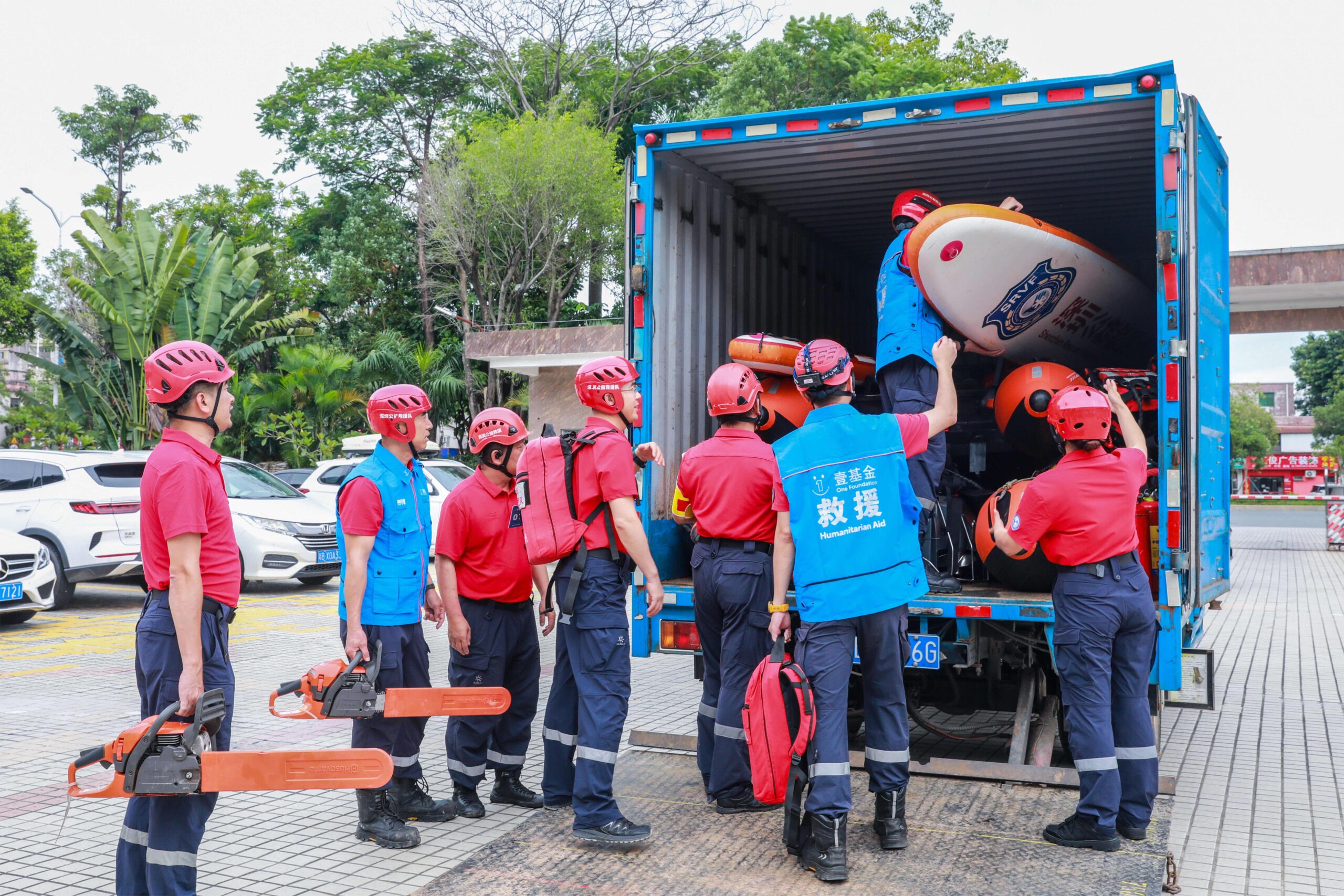
China placed several areas on high alert as Typhoon Bavi approached, with emergency authorities preparing rescue teams, closing schools, suspending transport services and moving residents from high-risk locations. More than 1.7 million people in Zhejiang alone were evacuated as officials prepared for possible flooding and landslides.
Before reaching China, Bavi affected parts of the western Pacific, including Japan’s southern islands and areas near Taiwan. The storm brought strong winds and heavy rain, causing flight cancellations, travel disruptions and precautionary evacuations in affected regions.
Authorities in China warned that the biggest threat was not only the wind strength but also the enormous amount of moisture carried by the system. Heavy rainfall was expected to overwhelm drainage systems, raise river levels and affect farmland and coastal communities.
Emergency workers were placed on standby as local governments prepared flood-control measures and disaster response operations. Rescue teams, medical crews and emergency supplies were positioned in vulnerable areas before the storm arrived.
The storm added to a challenging period of extreme weather across parts of Asia, with several countries experiencing severe storms, flooding and landslides in recent weeks. Officials have increased monitoring as climate-related weather events become more frequent and unpredictable.
Businesses and transport operators across eastern China faced disruption as ports, highways and public services were temporarily affected. Authorities urged residents to remain indoors and avoid unnecessary travel while the storm moved inland and gradually weakened.
While initial reports indicated no immediate major casualty figures after landfall, officials continued assessing damage as strong winds and heavy rainfall moved through affected areas.
Typhoon Bavi highlights the increasing challenges faced by densely populated coastal regions in Asia, where governments must balance economic activity with disaster preparedness. Authorities said recovery efforts would begin once conditions improved and safety assessments were completed.
