


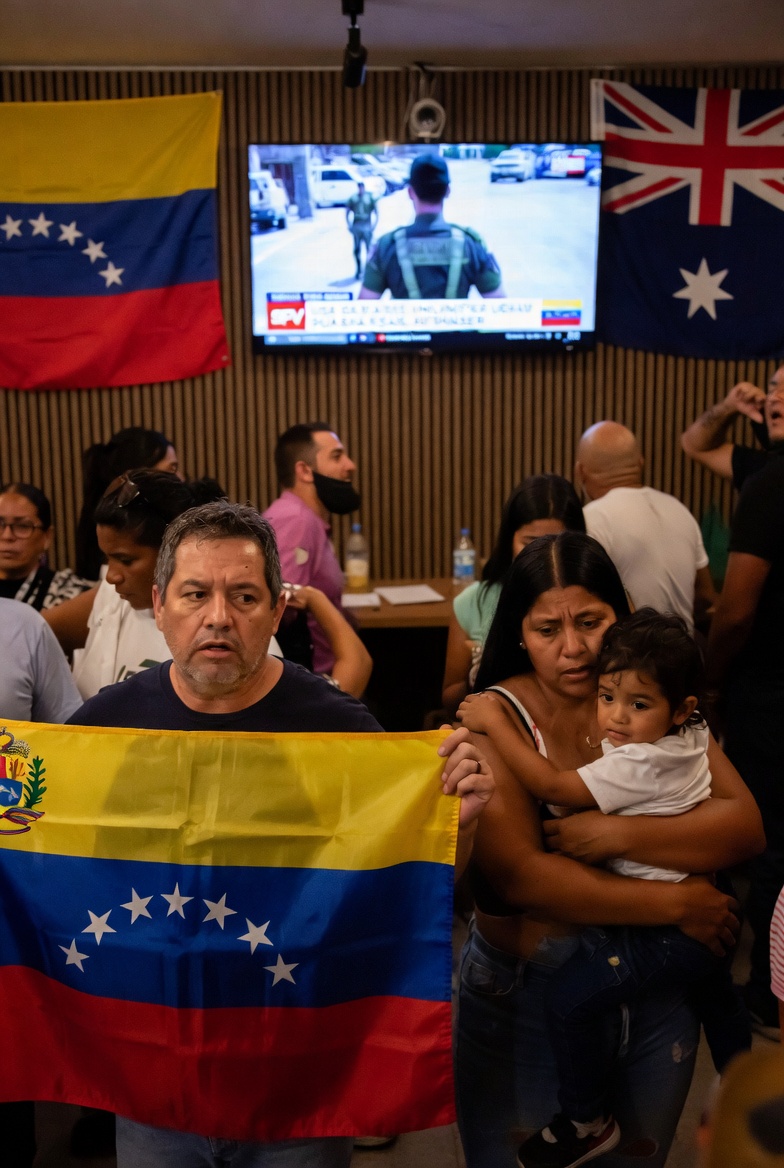
The United States now effectively oversees Venezuela’s vast oil reserves — the largest proven in the world at approximately 303 billion barrels (around 17-18% of global totals) — after a military operation that captured President Nicolás Maduro and his wife on January 3, 2026.
President Donald Trump announced that the US would temporarily “run” the country to facilitate a “safe, proper and judicious transition,” while inviting major American oil companies to invest billions in rebuilding the nation’s dilapidated infrastructure.
“We’re going to have our very large United States oil companies — the biggest anywhere in the world — go in, spend billions of dollars, fix the badly broken infrastructure… and start making money for the country,” Trump said at a Mar-a-Lago press conference.
Venezuela’s crude is predominantly heavy oil from the Orinoco Belt, requiring advanced refining into diesel or asphalt — a process major firms can handle but have been barred from due to sanctions.
Economic and Market Implications
AMP chief economist Shane Oliver described the move as “pretty bold” and appearing like an “oil grab,” but cautioned that ramping up production could take years, far beyond upcoming US midterms.
Venezuela’s output has plummeted from over 3 million barrels per day (bpd) historically to around 1-1.2 million bpd recently, with exports halved in December 2025 to about 500,000-600,000 bpd amid US blockades and seizures.
No tankers loaded at key ports like Jose on January 3, and storage is nearing capacity, potentially forcing output cuts.
Oil markets showed limited immediate reaction, with Brent crude hovering around $60-61 per barrel in early 2026 trading — down sharply from 2024 levels amid global oversupply.
Analysts expect any short-term spike from disruptions to fade, with potential long-term downward pressure if US investment boosts Venezuelan supply significantly.
Oliver noted the intervention fits a historical pattern of US actions in Latin America for strategic distractions and to ease domestic cost-of-living pressures, as fuel costs drive inflation.
Trump has also signalled readiness for action against Iran, raising broader geopolitical risks.
The operation has drawn widespread international condemnation as a violation of sovereignty, with calls from Russia, Cuba, Iran, Brazil, Mexico, and others for UN intervention.
While Venezuela holds more reserves than Saudi Arabia (267 billion barrels) or Iran (209 billion), its current production represents under 1% of global output.
Revival could reshape energy markets but faces massive infrastructure, investment, and political hurdles.
