
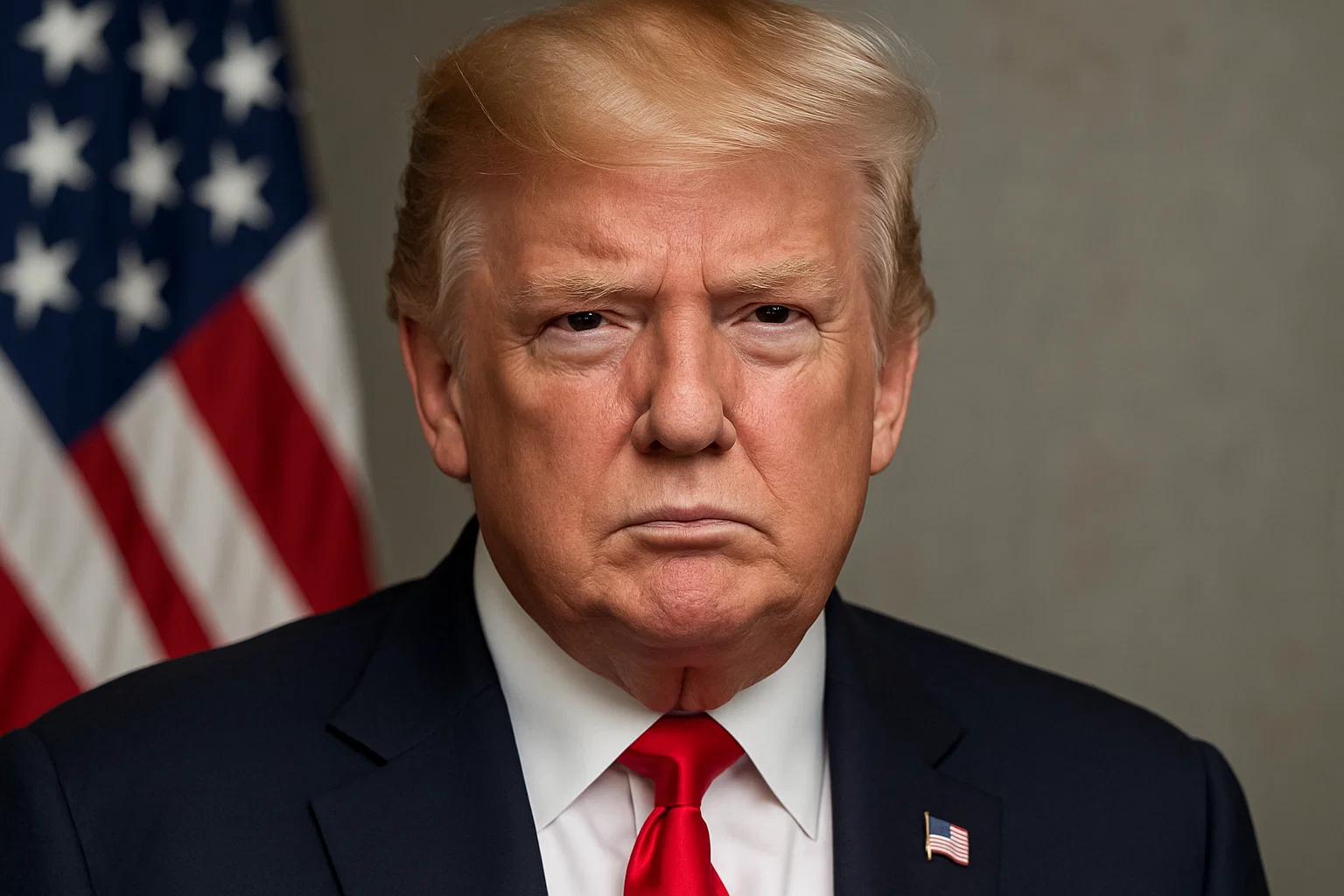
Since the end of World War II, two global institutions—NATO and the United Nations Security Council—have been credited with helping to prevent another large-scale global war. But both are now being tested by former U.S. President Donald Trump’s embrace of American isolationism.
Trump has cast doubt on the U.S.’s long-standing commitment to NATO, even suggesting he may pull out altogether. Meanwhile, he chose to bypass the UN Security Council before launching strikes against Iran, challenging the body’s role in overseeing global peace and security.
This week, NATO members convened amidst uncertainty following Trump’s recent remarks questioning Article 5, the alliance’s cornerstone mutual defence clause, which states that an attack on one NATO nation is considered an attack on all.
Before attending the summit in The Hague, Trump stirred more concern with vague statements: “Depends on your definition… there are numerous definitions of Article 5.” He added, “But I’m committed to being their friends.”
While the summit led to increased defence spending commitments from European members, Trump once again dominated the conversation, prompting many NATO allies to reassess their military strategies and spending in anticipation of possible U.S. disengagement.
UN Security Council Struggles to Adapt
As the United Nations marks its 80th anniversary, the Security Council—its most powerful arm—appears less capable of adjusting to modern geopolitical challenges than NATO.
In an emergency session following U.S. strikes on Iran, American UN Ambassador Dorothy Shea defended the action as “justified and legal,” despite the operation bypassing Security Council approval.
Professor John Langmore, chair of Melbourne University’s Initiative for Peacebuilding, argued that the U.S. had seriously undermined the council’s authority.
“When the most powerful country in the world acts without observing legal frameworks and faces no consequences, it weakens the council’s credibility,” he said.
Although Trump claimed the attack had destroyed Iran’s nuclear capabilities, leaked intelligence suggested the strikes only delayed Iran’s nuclear program by a few months.
Outdated Power Structure and Veto Gridlock
Critics note that the Security Council’s structure remains frozen in a post-WWII framework. Its five permanent members—the U.S., U.K., France, Russia, and China—retain veto power, which often stalls action.
On June 5, the U.S. vetoed a resolution demanding an “immediate, unconditional, and permanent” ceasefire in Gaza, even though all 14 other council members voted in favour.
Earlier this year, the U.S. introduced a resolution calling for an end to the war in Ukraine, but notably excluded any condemnation of Russia.
Still, Langmore believes the council has fulfilled its main goal: preventing world war.
“It hasn’t stopped regional conflicts, but it has succeeded in avoiding a global war,” he said.
Mixed Effectiveness, Uncertain Future
Chris Michaelsen, an international law professor at Western Sydney University, agrees the Security Council continues to play a meaningful role.
“Despite appearances, the number of interstate wars has significantly dropped since the UN was formed,” Michaelsen noted.
He acknowledged, however, that the veto power of permanent members has hampered responses to crises such as in Ukraine, Iran, and Gaza. Even so, he pointed out the council remains active in other regions, including Africa, despite ongoing friction between the Trump administration and powers like China and Russia.
Michaelsen warned that the council’s long-term effectiveness could depend heavily on future U.S. leadership.
“If another MAGA-aligned administration comes in, we could be looking at a decade of U.S. disengagement,” he said. “That wouldn’t be the end of the council, but it would push it further toward irrelevance.”
