


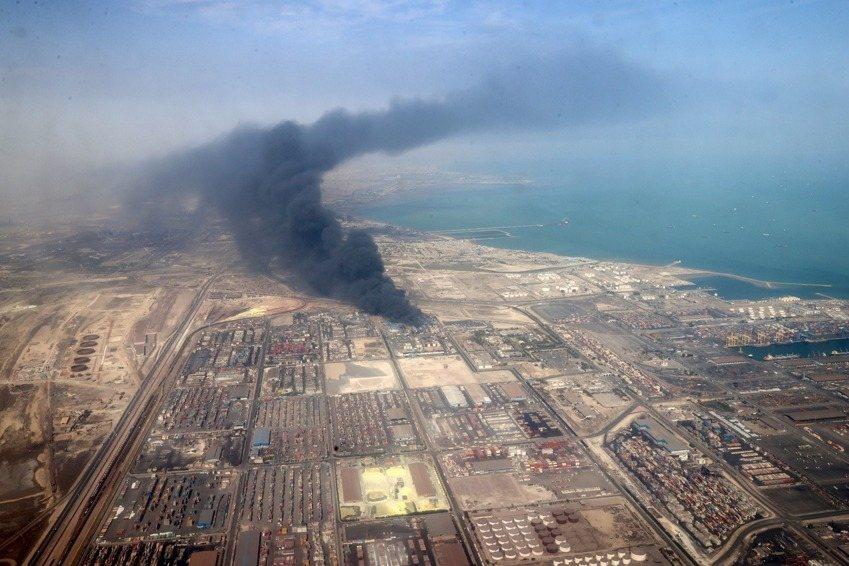
The conflict between the United States and Iran has intensified further after U.S. forces launched another wave of airstrikes against targets in southern Iran while Tehran continued retaliatory operations linked to the escalating standoff over the Strait of Hormuz. The renewed exchanges mark one of the most dangerous phases of the confrontation, with both sides showing little sign of backing down.
According to Iranian state media, explosions were reported in the strategic port cities of Bandar Abbas, Sirik and Jask, as well as on Qeshm Island, following the latest U.S. attacks. The Pentagon says the strikes are intended to weaken Iran’s ability to threaten international shipping and military operations in the Gulf, while Iranian officials describe them as an unjustified escalation.
Iran has responded by stepping up attacks against U.S.-linked interests and military infrastructure across the Gulf region. Air raid sirens were reported in several neighbouring countries as missiles and drones targeted facilities associated with American forces. Regional governments remain on high alert as fears grow that the conflict could spread beyond the immediate Gulf area.
The Strait of Hormuz remains the centre of the crisis. Although Iran has declared the strategic waterway closed, the United States maintains that naval escorts are continuing to protect commercial vessels through the corridor. Shipping companies, however, remain cautious, with higher insurance costs and disrupted maritime traffic contributing to renewed volatility in global energy markets.
The military escalation has immediately affected financial markets, with oil prices rising as traders assess the risk of prolonged disruption to one of the world’s most important energy supply routes. Economists warn that sustained instability could increase inflationary pressures globally and complicate monetary policy decisions for central banks already facing persistent price pressures.
Despite the continued fighting, diplomatic channels have not been completely abandoned. However, officials on both sides acknowledge that each new round of strikes makes negotiations increasingly difficult. Analysts warn that the combination of military retaliation, disrupted energy supplies and heightened regional tensions significantly increases the risk of a broader Middle East conflict if de-escalation efforts fail.
