


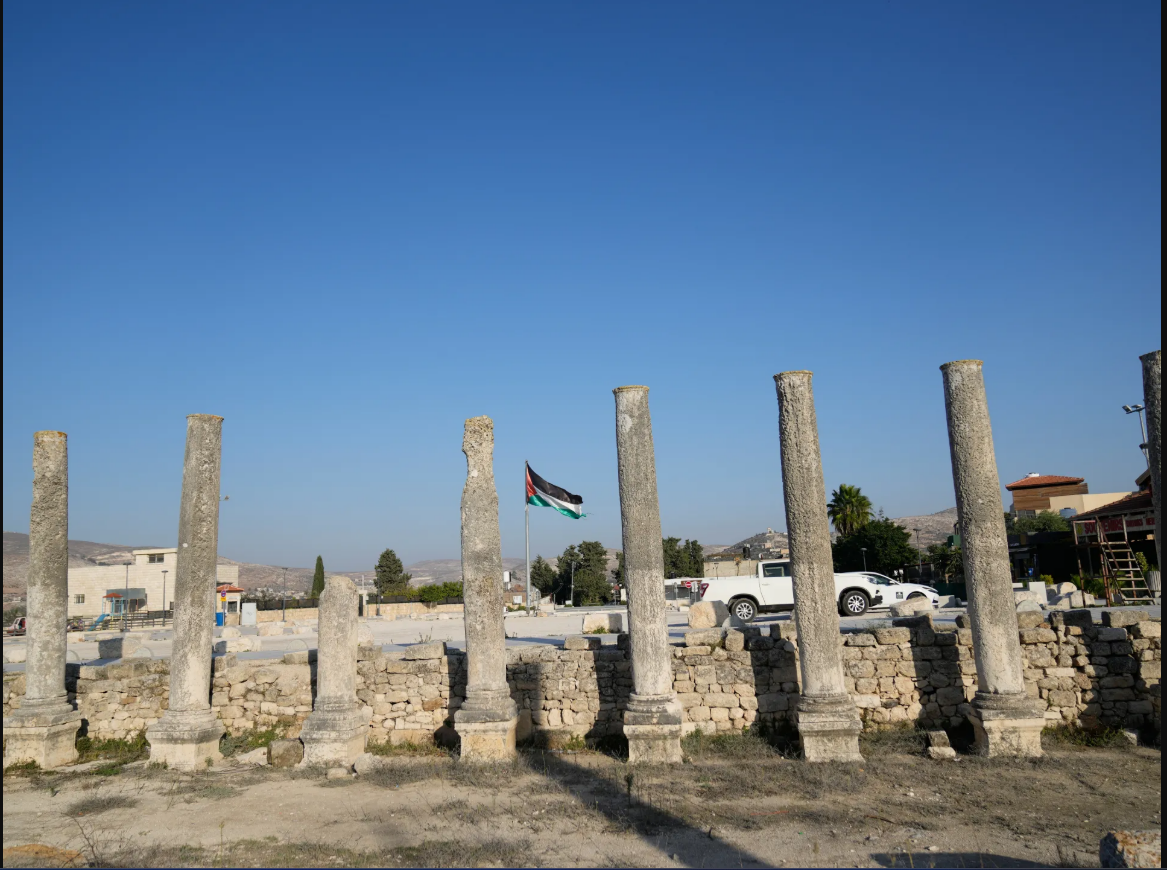
UNESCO has placed several historic sites in the occupied West Bank and Lebanon on its list of World Heritage sites in danger, citing the impact of ongoing conflicts and threats to cultural preservation.
The decision was approved during a UNESCO committee meeting in Busan, South Korea, where six locations were added to both the World Heritage List and the endangered heritage list under an emergency procedure. The move was made despite objections from Israel.
Among the newly listed sites is Sebastia, an ancient archaeological location near Nablus in the occupied West Bank, along with five historic castles in southern Lebanon. One of the Lebanese sites, Beaufort Castle, was recently taken over by Israeli forces during fighting with Hezbollah.
Sebastia, believed by historians to be the ancient city of Samaria, contains ruins dating back thousands of years, covering periods from the Iron Age to Roman, Byzantine and Islamic eras. The site also holds religious significance, with Christian and Islamic traditions associating it with the burial place of John the Baptist.
Palestinian authorities first applied for UNESCO protection for Sebastia in 2012, arguing that the area faced increasing risks due to Israeli plans involving land appropriation and development around the archaeological site.
In Lebanon, UNESCO added five medieval fortresses from the Mount Amel region to the endangered list. Lebanese officials said Israeli military operations had damaged some of the heritage locations, including Shamaa Castle, and posed risks to others.
Lebanon’s culture ministry accused Israeli bombardment of destroying parts of the historic sites, while Israel rejected the claims and alleged that Hezbollah had used some locations, including Beaufort Castle, for military purposes.
A Lebanese representative denied the accusation, saying the castles had been used only for tourism since Israeli forces withdrew from southern Lebanon in 2000.
The UNESCO decision has intensified tensions between Israel and the UN cultural agency. Israel withdrew from UNESCO in 2019, accusing the organisation of political bias, and currently participates only as an observer.
Israeli officials criticised the decision, saying the West Bank listing ignored Jewish historical connections to the region. Palestinian representatives, however, praised local communities for protecting Sebastia despite restrictions and ongoing political challenges.
Earlier, UNESCO also placed the ancient Lebanese city of Tyre on the endangered heritage list amid concerns over damage caused by conflict.
The latest UNESCO action highlights growing international concerns over the protection of cultural heritage sites affected by war and political disputes across the Middle East.
