


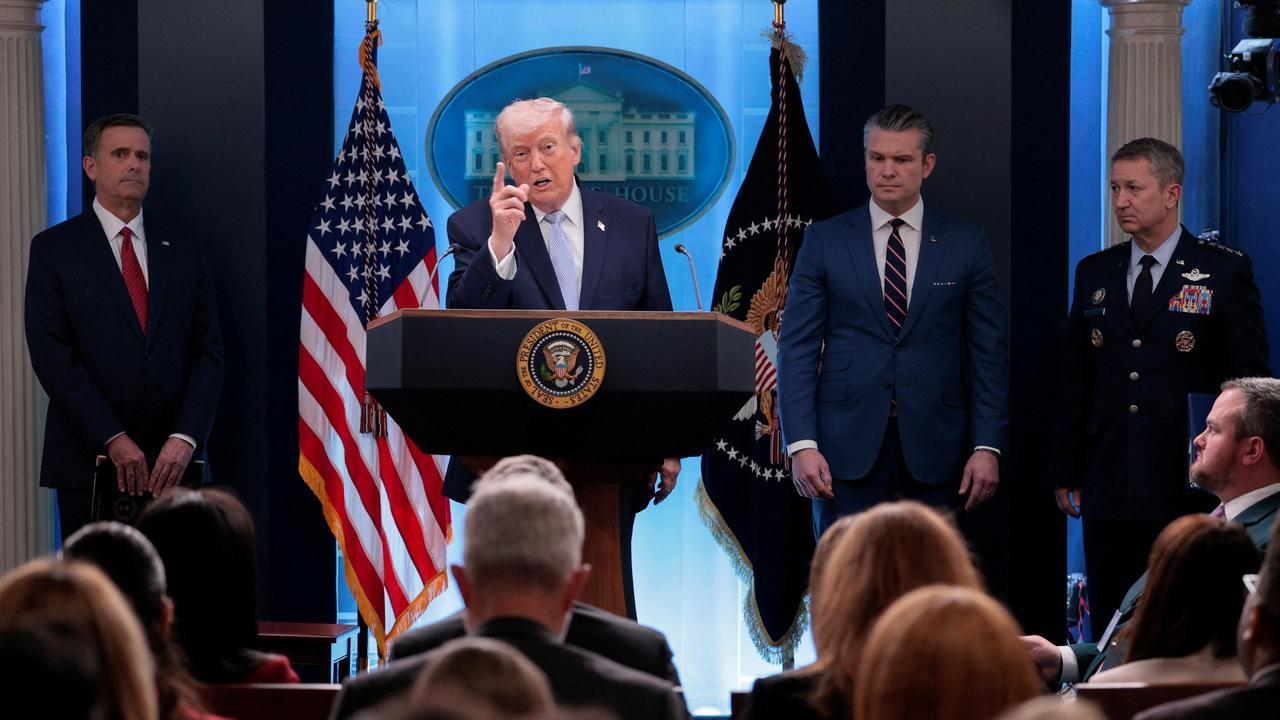
The Middle East conflict has widened after Iran-aligned Houthi forces claimed attacks on Saudi Arabian targets, while US President Donald Trump considered whether to launch further military action against Iran.
The Houthi movement in Yemen said it carried out missile and drone strikes against Saudi targets, including areas linked to the kingdom’s energy infrastructure. The attacks came after rising tensions between Saudi Arabia and the Houthis, with the group accusing Riyadh of escalating military operations against them.
The escalation occurred as Washington reviewed its response to Iran following a series of regional confrontations. Trump said he had not yet made a final decision on additional strikes, while diplomatic efforts continued to prevent the conflict from expanding further.
Saudi Arabia has become increasingly concerned about the risk of attacks on its oil facilities and shipping routes. The kingdom has reported drone threats from Iran-aligned groups, raising fears about the security of vital energy infrastructure and global oil supply chains.
The situation has increased pressure on global markets, particularly energy markets, as investors monitor risks around the Red Sea shipping route and the Strait of Hormuz, two of the world’s most important oil transportation corridors.
Regional powers have urged restraint, warning that continued military escalation could trigger a broader confrontation involving Iran, the United States and Gulf countries. Diplomatic efforts are underway to reduce tensions and avoid further attacks on critical infrastructure.
Analysts say the conflict represents a major test for regional security, with proxy groups, energy markets and international alliances all becoming increasingly connected to the outcome.
