


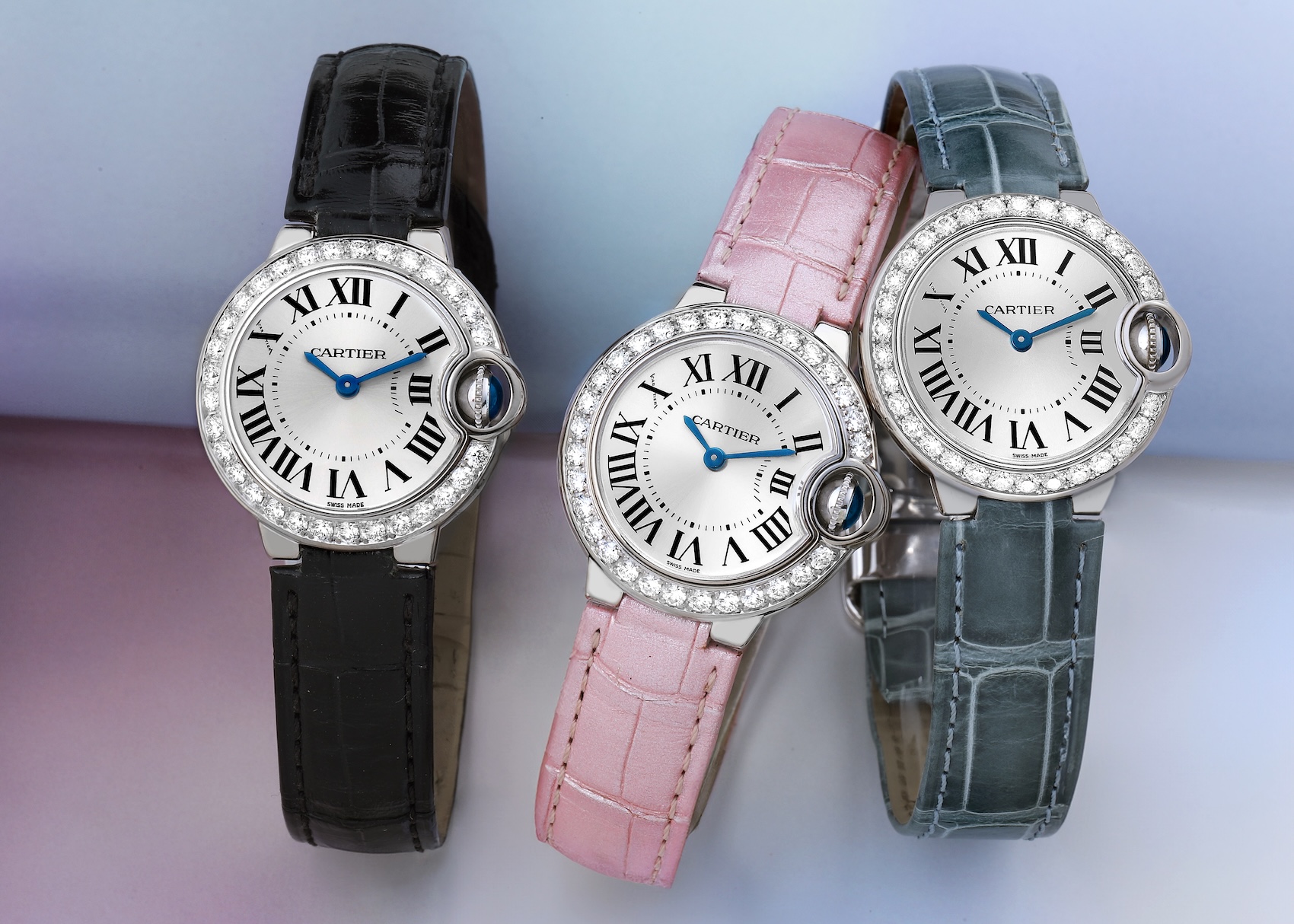
Luxury watchmakers are moving toward smaller case sizes, richer decorative finishes and more gem-set designs as changing consumer tastes reshape the industry.
Those trends were highlighted by a panel at the About Time watch weekend in Melbourne, where industry figures discussed how social media and evolving buyer preferences are influencing watch design.
Among the styles expected to gain momentum are enamel dials, jewellery-inspired watches and more compact models that are easier to wear on a wider range of wrists.
Smaller Watches Make a Comeback
For years, larger watches dominated the luxury market, particularly in the men’s segment.
That preference is now beginning to shift.
Collectors are increasingly showing interest in smaller, more refined designs that focus less on visual size and more on proportion, detail and comfort.
The change also reflects a broader move away from rigid distinctions between men’s and women’s watches.
Smaller cases can appeal to a much wider group of buyers, allowing brands to develop designs that feel more versatile and less tied to traditional gender categories.
Gem-Set Models Gain Attention
Gemstones are also becoming more important in modern watch design.
Diamond-set bezels, coloured stones and highly decorative cases are increasingly being used not just in traditional jewellery watches but across a broader range of luxury timepieces.
This reflects growing demand for watches that function as both precision instruments and statement accessories.
Collectors who once focused mainly on movements, complications and technical specifications are increasingly paying attention to colour, craftsmanship and decorative finishing.
Enamel Dials Add Craft Appeal
Enamel dials are another area expected to attract more interest.
The traditional technique requires specialist craftsmanship and can produce deep colours and distinctive visual textures that are difficult to reproduce through standard manufacturing methods.
For luxury brands, enamel also provides a way to differentiate watches in a market where consumers are becoming more familiar with design and production details.
The popularity of handcrafted finishes fits with the broader luxury trend toward products that feel distinctive rather than mass-produced.
Social Media Gives Watchmakers Faster Feedback
The rise of social media is also changing the relationship between watch companies and their customers.
Nick Kenyon of Hodinkee Australia told the Melbourne panel that digital platforms have made it much easier for brands to receive direct and immediate feedback.
Collectors now openly discuss new releases, case sizes, dial colours, pricing and design choices across platforms and enthusiast communities.
That gives companies a clearer picture of which products are attracting attention and which ideas are failing to connect with buyers.
Consumers Have Greater Influence
Traditionally, watchmakers relied heavily on retailers, trade shows and sales data to understand consumer demand.
Today, online communities can respond to a new model within minutes of its unveiling.
That instant reaction can influence how brands think about future releases.
Popular colour combinations, vintage-inspired proportions and unexpected design details can quickly gain momentum online, while poorly received models can face intense criticism.
The result is a watch market where collectors potentially have more influence over future design decisions than they did in the past.
Social Media Also Creates Challenges
While online feedback can make the industry more responsive, it can also encourage trends to move quickly.
Watch culture has become more visible and accessible, but that increased exposure can sometimes place greater emphasis on hype, rarity and resale value.
Brands therefore need to decide how much weight to give social-media reaction while still maintaining their own design identity.
The challenge is to use customer feedback without allowing short-term online trends to completely dictate product strategy.
Watch Culture Continues to Evolve
The latest trends suggest luxury watches are becoming more diverse in both appearance and audience.
Smaller cases, enamel dials and gem-set designs point toward a market that increasingly values craftsmanship, comfort and personal expression.
At the same time, social media is shortening the distance between collectors and manufacturers.
As brands receive more immediate feedback from enthusiasts, the next generation of luxury watches may increasingly reflect what buyers are discussing online rather than what traditional industry conventions once dictated.
