


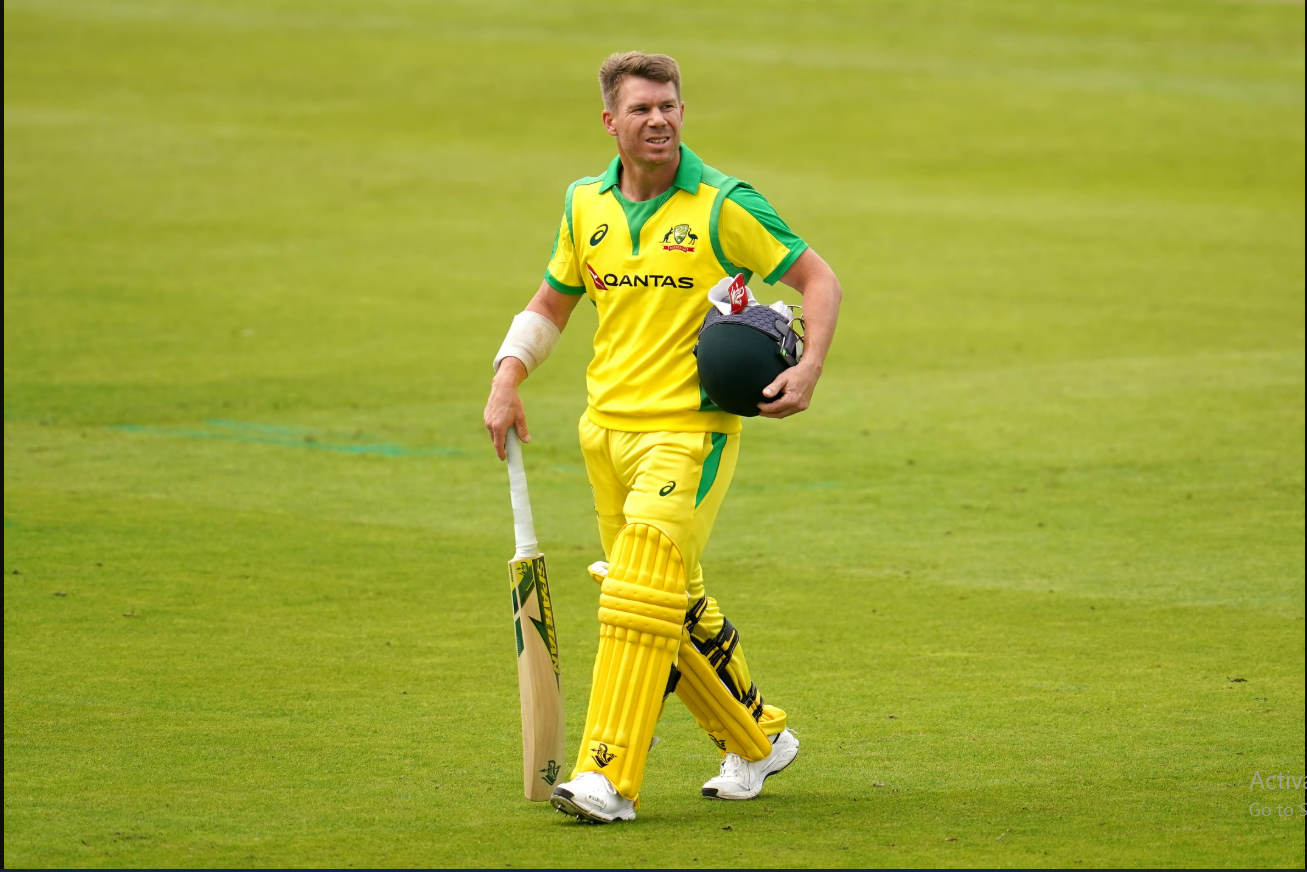
Former Australian cricketer David Warner is expected to plead guilty to a drink-driving charge after being stopped by police during the Easter long weekend.
The retired Test opener was allegedly driving home late on Easter Sunday after consuming alcohol with friends when police noticed his vehicle pulling over near a mobile random breath-testing station.
Officers approached the car and conducted a breath test, which reportedly returned a blood alcohol concentration of 0.104.
The reading placed Warner in the mid-range drink-driving category, and he was subsequently charged.
During a court appearance on Wednesday, Warner’s lawyer, Bobby Hill, said some details surrounding the case were still being discussed, but confirmed that his client intended to accept responsibility for the offence.
Hill said Warner would ultimately admit guilt to one count of drink-driving once the remaining factual matters had been resolved.
The lawyer had previously indicated in May that Warner accepted his conduct was wrong and understood that driving after drinking had been a reckless decision.
According to Hill, Warner had consumed three glasses of wine while spending time with friends at an apartment on Easter Sunday.
He then chose to drive rather than arrange alternative transport.
Hill described the decision as foolish and said Warner recognised that he should have taken a rideshare service or used another safe option instead of getting behind the wheel.
The defence lawyer stressed that consuming wine was not itself the issue before the court.
He said the offence arose from Warner’s decision to drive after drinking and from failing to choose a safer way home.
Warner’s case is expected to return to court for sentencing on August 18.
The incident has attracted significant public attention because of Warner’s status as one of Australia’s best-known cricketers.
During his international career, he became one of the country’s most successful opening batters across all three formats of the game.
However, Warner has also faced controversy during his career.
In 2018, he received a 12-month suspension from international and domestic cricket over his involvement in the ball-tampering scandal during Australia’s Test tour of South Africa.
The episode, widely known as “sandpapergate”, also involved Steve Smith and Cameron Bancroft and prompted widespread criticism of the Australian team.
At the time, then-prime minister Malcolm Turnbull described the players’ actions as a serious disappointment.
Warner later returned to international cricket and rebuilt his career, playing a key role for Australia before retiring from Test cricket.
His lawyer’s comments in the current case suggest Warner does not intend to contest the drink-driving allegation and will instead acknowledge responsibility before sentencing.
The court will determine the appropriate penalty after considering the circumstances of the offence, Warner’s driving history and any submissions made on his behalf.
