
Families in northern Western Australia are concerned they may lose access to vital records of their ancestors as the Sisters of St John of God Heritage Centre in Broome prepares to close.
Content Warning: Aboriginal and Torres Strait Islander readers are advised that this article contains references to deceased persons.
The Sisters of St John of God (SSJG) announced in May that the centre would close in October, coinciding with the winding down of the congregation’s presence in Australia. Since 1995, sisters and volunteers have transformed the Broome convent into an award-winning museum and archive. Although the building itself is heritage-listed, the future of the exhibitions, along with thousands of historical photographs and documents, remains uncertain.
Vital Links to Stolen Generations
Nyikina woman Phillipa Cook said the uncertainty was deeply troubling, as the centre holds records crucial for many Aboriginal families across the Kimberley — especially those affected by the Stolen Generations.
“It’s our family trees in there, and we’re concerned it may be locked away somewhere,” Ms Cook said.
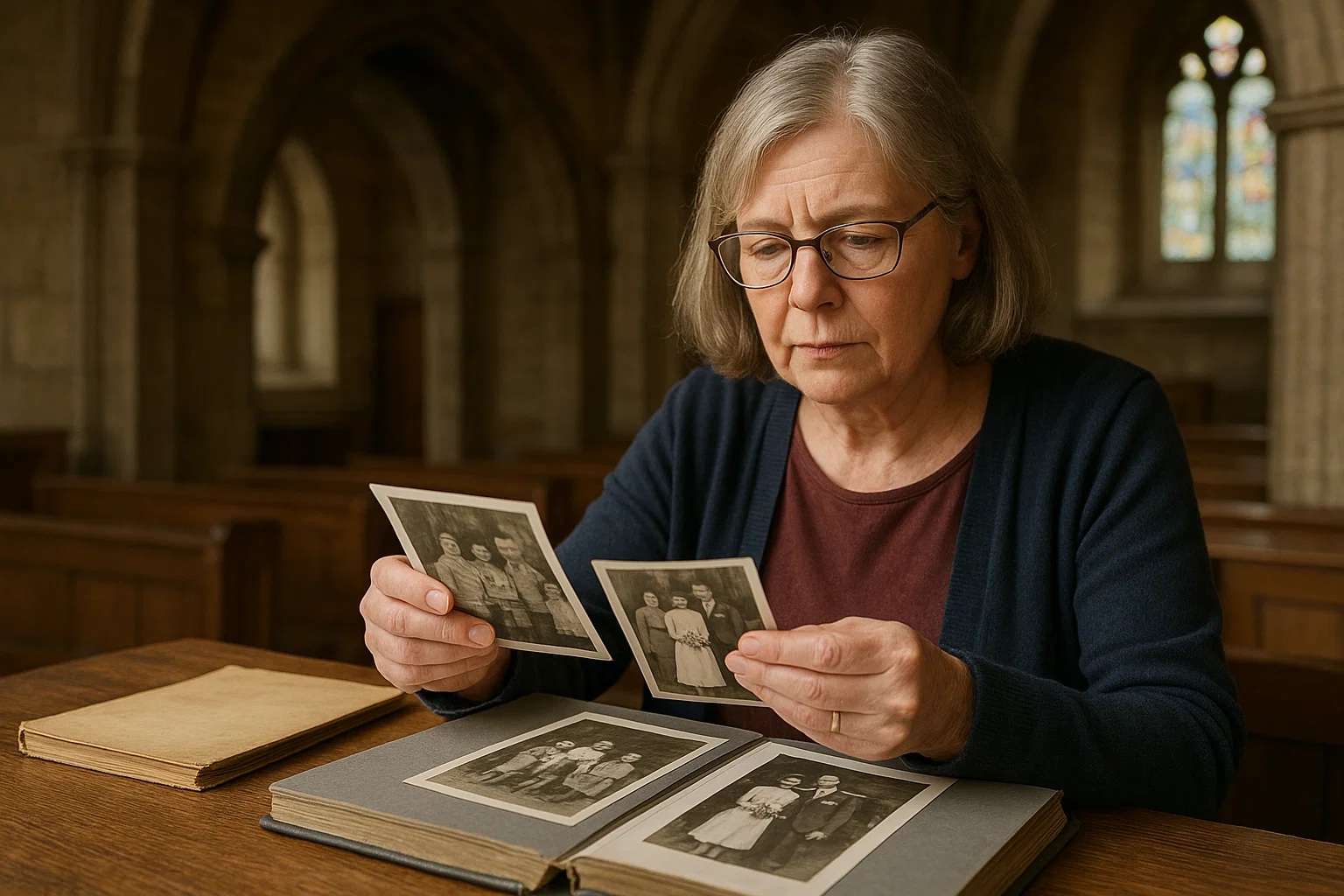
She explained that many of the centre’s photographs were previously unseen by families and had helped piece together lost histories. Ms Cook’s grandmother and great-aunt were taken from Derby to Beagle Bay Mission during the early 1900s as part of the Stolen Generations and did not see their mothers again until adulthood.
Thanks to the centre’s archives, her family was able to reconnect with parts of their severed lineage. Ms Cook added that fostered family members who visit Broome often go to the centre to reconnect with their roots.
“It’s important for future generations to know who we are and where we come from,” she said, calling for state government intervention to help preserve the centre.
Lack of Legal Protection for Church Archives
Jacinta Walsh, Monash University Indigenous research fellow and a Jaru, Kitja, and Yawuru woman, said that church archives like those held at the heritage centre are not protected by the Commonwealth Archives Act and are technically at risk of destruction since they are privately owned.
“The laws don’t protect us — and that’s a concern across Australia,” she said.
Ms Walsh explained that many Aboriginal family records are held by church organizations that operated missions where Aboriginal children were taken. As part of her PhD research, Ms Walsh studied her own family history. She was adopted and raised away from her community in Melbourne, and the Broome centre holds some of the only photos of her grandmother, who was sent to Beagle Bay Mission.
Future of the Archives Still Unclear
The heritage centre has not yet addressed questions about how the records will be preserved or whether public access will continue. A state government spokesperson said discussions regarding the archives’ future would require more time for investigation and assessment.
“The state would need additional time to investigate and understand the options relating to storage of historical records and archives,” the spokesperson said. However, they did not rule out the possibility of purchasing the archives or advocating for public access.
Healing Through Historical Records
For Ms Walsh, these documents are not just historical artifacts but essential for healing intergenerational trauma.
“Finding these documents is evidence of what my family went through,” she said. “They give us validation — hope that we can be heard, seen, and that our pain is acknowledged.”
