


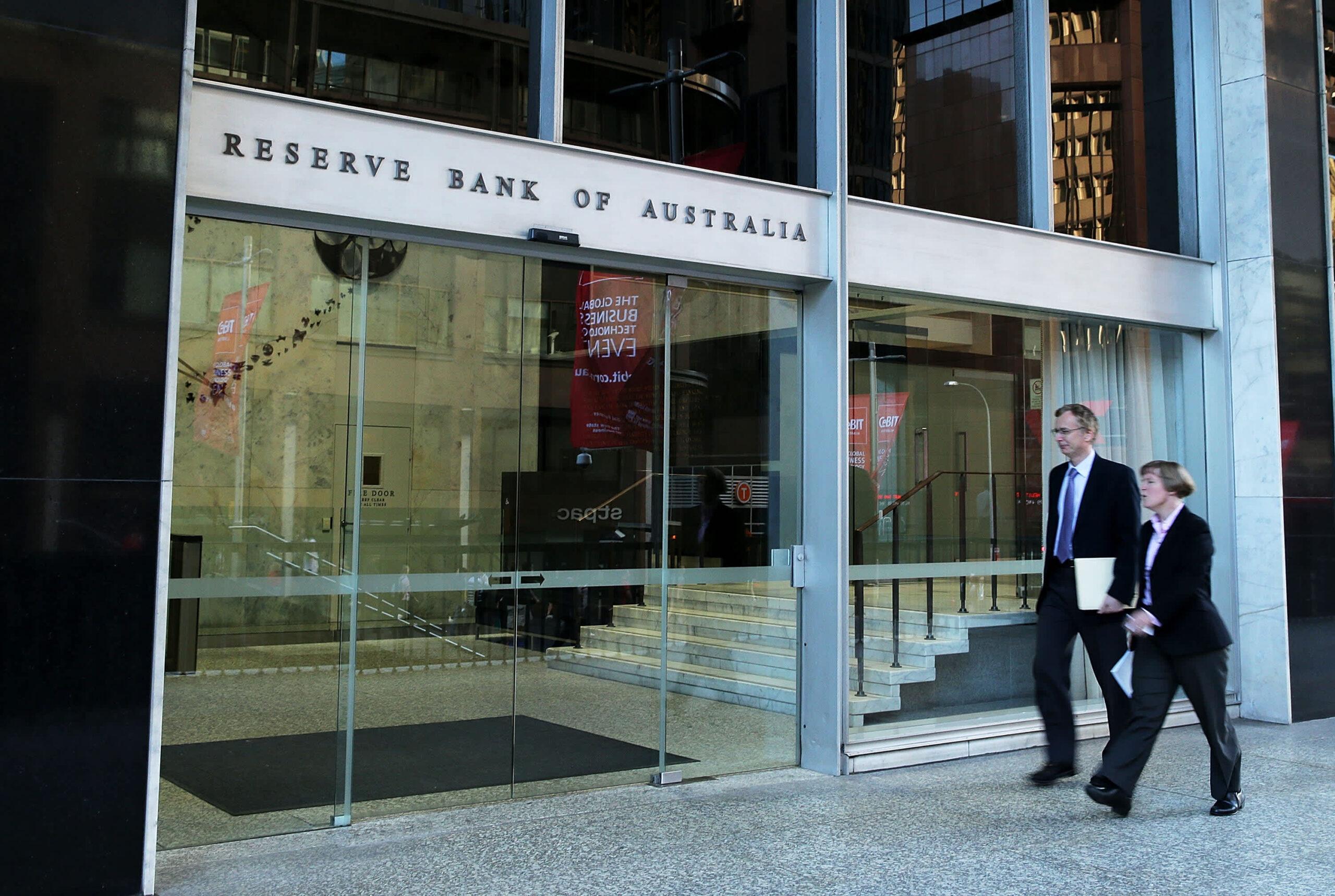
Australian mortgage holders are watching closely as the latest inflation figures become a critical factor in determining the Reserve Bank of Australia’s (RBA) next interest rate move. The data will influence whether policymakers continue tightening monetary policy or consider holding rates steady.
The latest inflation report showed a softer-than-expected result, with headline inflation easing to 3.8 per cent over the year to June 2026, reducing expectations of an immediate interest rate increase. However, underlying inflation remains above the RBA’s preferred target range, keeping pressure on policymakers.
The RBA has been closely monitoring persistent price pressures, particularly in areas such as housing, rents and services. While lower fuel prices have helped slow overall inflation, elevated household costs continue to affect Australians dealing with high mortgage repayments and living expenses.
Economists say the inflation figures provide some relief for borrowers, as financial markets have reduced expectations of another rate rise in the near term. However, they warn that global risks, including energy price volatility and geopolitical tensions, could influence future inflation trends.
For homeowners, the focus now shifts to the RBA’s upcoming meeting, where policymakers will assess whether inflation is moving sustainably lower or whether further action is needed to prevent prices from rising again.
Analysts say the central bank faces a difficult balancing act: controlling inflation while avoiding unnecessary pressure on households already affected by years of higher borrowing costs.
