
34
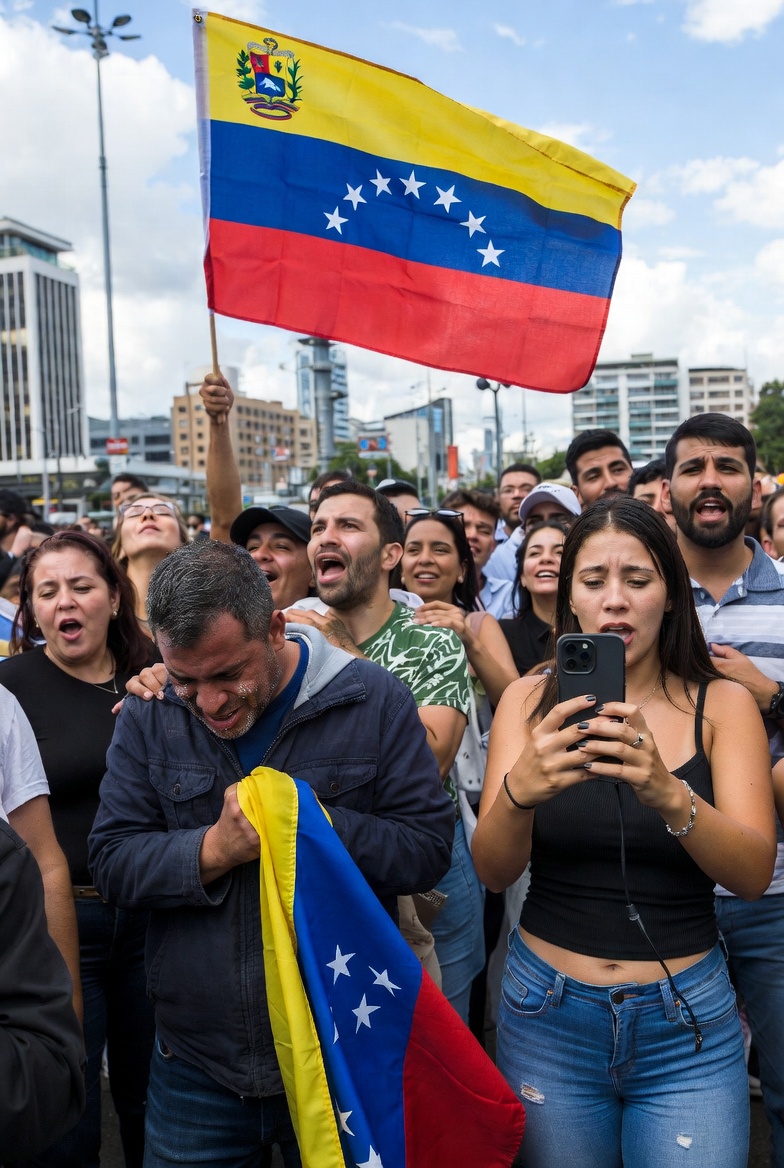
The dramatic US military operation on January 3, 2026, which captured Venezuelan President Nicolás Maduro and his wife Cilia Flores, has elicited widespread international responses ranging from strong condemnation to cautious support and celebration. The action, described by President Donald Trump as a “large-scale strike” to bring Maduro to justice on drug-trafficking charges, has raised significant concerns about sovereignty and international law.
Condemnation and Calls for Restraint
- China: The Foreign Ministry expressed being “deeply shocked,” strongly condemning the use of force against a sovereign nation.
- Russia: Described the act as “armed aggression,” calling it “deeply concerning and condemnable” and urging restraint to avoid escalation.
- France: Foreign Minister Jean-Noël Barrot stated the capture violates principles of non-use of force in international law, emphasizing that lasting solutions cannot be imposed externally.
- Brazil: President Luiz Inácio Lula da Silva called the actions a “grave affront” to sovereignty, warning of a dangerous precedent leading to global instability.
- Mexico: The Foreign Ministry “strongly condemns and rejects” the unilateral actions as a clear violation of the UN Charter.
- Cuba: President Miguel Díaz-Canel denounced it as an “unacceptable attack on international law,” rejecting the Monroe Doctrine.
- Iran: Condemned it as a “blatant violation” of sovereignty, urging UN Security Council action.
- Germany: The Foreign Ministry urged avoidance of escalation and respect for international law, seeking a political settlement.
- Uruguay: Rejected military intervention, reaffirming commitment to the UN Charter and non-use of force.
- Chile: President Gabriel Boric expressed “concern and condemnation,” calling for a peaceful resolution.
- Colombia: Viewed the strikes with “deep concerns.”
- South Africa: Called for an urgent UN Security Council meeting.
- Bolivia: Reiterated commitment to peace and international coordination.
- Belarus: President Alexander Lukashenko “categorically condemns” the actions.
- Spain: Called for de-escalation and adherence to international law.
- Italy: Prime Minister Giorgia Meloni’s office stated external military action is not the way to end regimes but considered defensive interventions against threats like drug trafficking legitimate.
Support or Positive Responses
- Israel: Prime Minister Benjamin Netanyahu congratulated Trump for “bold and historic leadership,” saluting the operation.
- Argentina: President Javier Milei hailed it as “excellent news for the free world,” citing alleged election rigging.
- Ecuador: President Daniel Noboa said the “time is coming” for collapse of “narco-Chavista” structures.
- Panama: President José Raúl Mulino supported democratic processes and recognition of opposition leader Edmundo González.
Cautious or Neutral Monitoring
- Australia: Prime Minister Anthony Albanese said the government is monitoring developments, urging dialogue, diplomacy, and respect for international law and democratic principles.
- Britain: Prime Minister Sir Keir Starmer sought to “establish the facts,” emphasizing upholding international law and non-involvement.
- Ukraine: President Volodymyr Zelenskyy wryly noted implications for dealing with dictators.
- Canada: Foreign Minister Anita Anand called for respect of international law and support for Venezuelan people’s democratic aspirations.
- Paraguay: Monitoring developments and prioritizing democratic transition.
The UN Secretary-General expressed deep alarm, viewing it as a “dangerous precedent.” Many reactions highlight tensions between addressing Maduro’s alleged authoritarianism and upholding sovereignty, with the UN Security Council expected to convene soon.
