


India has called on China to address persistent concerns over market access, trade imbalance and supply-chain reliability as the two countries continue efforts to stabilise and rebuild their bilateral relationship.
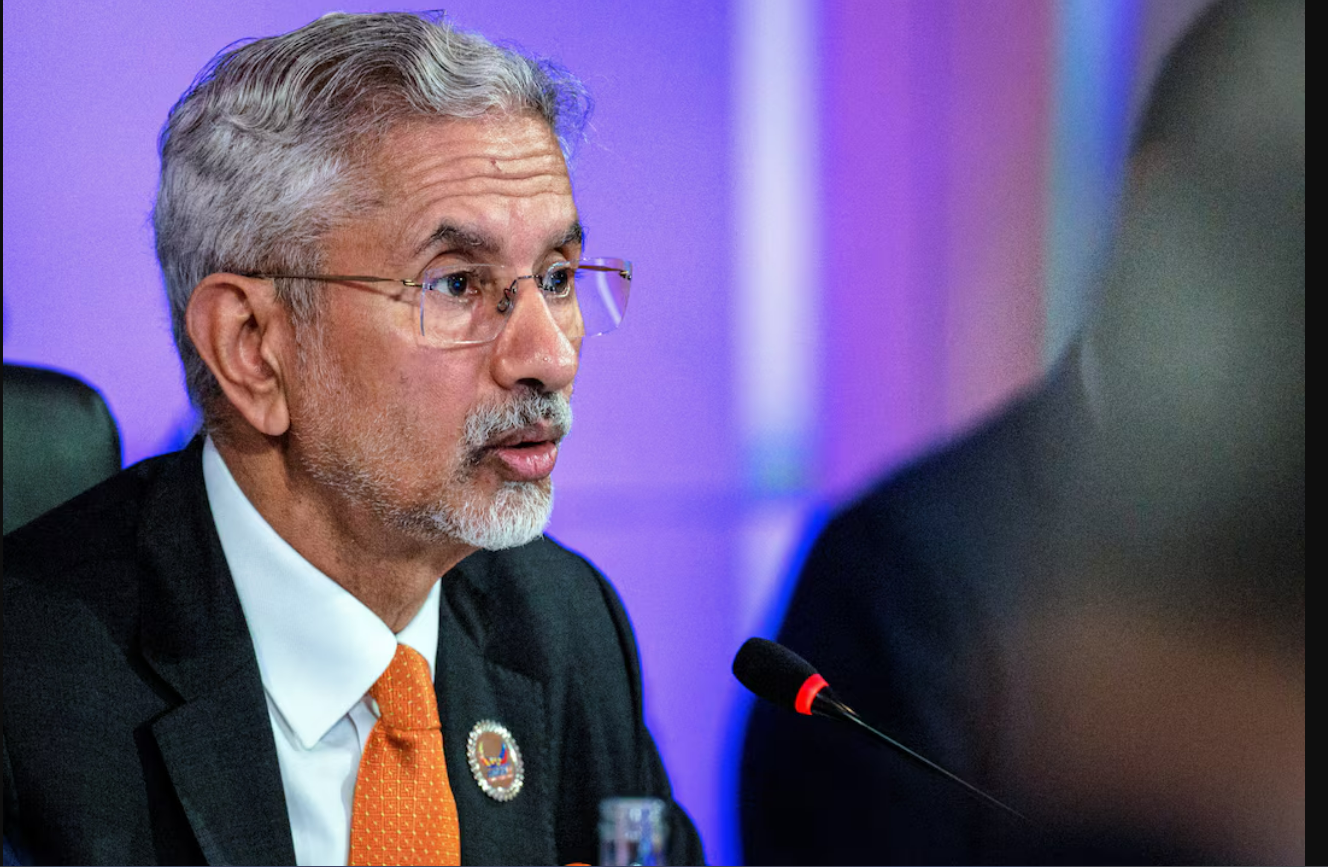
Indian External Affairs Minister S. Jaishankar raised the issues during a meeting with Chinese Foreign Minister Wang Yi on the sidelines of a regional diplomatic gathering in Manila, the capital of the Philippines.
Jaishankar said the relationship between the two Asian powers could not fully return to normal without progress on economic fairness and continued peace along their disputed Himalayan border.
According to the Indian minister, New Delhi wants Beijing to provide fairer access to Chinese markets for Indian businesses and take meaningful steps to address the enormous imbalance in bilateral trade.
He also highlighted concerns over the predictability of supply chains, an issue of major importance to Indian industries that depend heavily on Chinese machinery, components and manufacturing inputs.
Jaishankar said both countries must agree on the future meetings of various bilateral mechanisms and institutional platforms, based on their shared priorities.
However, he emphasised that peace and stability in border areas remained the essential foundation for normal relations between India and China.
The two nuclear-armed neighbours experienced a major deterioration in ties following a deadly military clash along their largely undemarcated Himalayan frontier in 2020.
The confrontation resulted in the deaths of 20 Indian soldiers and four Chinese soldiers, triggering years of diplomatic tension, military deployments and tighter restrictions on Chinese companies and investments in India.
Relations began improving in 2024 following sustained military and diplomatic negotiations. A meeting between Indian Prime Minister Narendra Modi and Chinese President Xi Jinping in October 2024 helped accelerate efforts to reduce tensions and restore communication.
Jaishankar said both governments had remained engaged since that meeting to preserve peace along the border, but warned that continued attention would be required to prevent renewed friction.
China presented a more optimistic account of the discussions.
Wang Yi praised the efforts made by both sides to gradually resume institutional exchanges and maintain stability in the border regions.
He also pointed to growing economic links, noting that bilateral trade had reached a record level despite years of political and strategic tension.
Wang said Beijing was willing to increase high-level exchanges with New Delhi and expand cooperation in trade, economic affairs and the media.
He also called for both countries to promote a more accurate and constructive understanding of each other among their respective populations.
Several practical signs of improving relations have emerged since late 2024.
India and China have resumed direct passenger flights, while New Delhi has simplified procedures for approving business visas for Chinese professionals working in India.
The two countries are also expected to restart border trade from August 1 after a suspension lasting approximately six years.
Despite the diplomatic improvement, trade remains one of the most difficult issues in the relationship.
India imported goods worth approximately $132 billion from China during the 2025–26 financial year, making China its largest source of imports.
Total bilateral trade reached around $151.10 billion, leaving India with a trade deficit of more than $100 billion.
The figures underline India’s heavy dependence on Chinese industrial products, including machinery, electronics, pharmaceutical ingredients, telecommunications equipment and components used by domestic factories.
Indian officials have repeatedly argued that the trade relationship is structurally unbalanced because Indian companies face greater difficulties entering the Chinese market.
New Delhi wants China to remove regulatory and commercial barriers that restrict Indian exports, particularly in sectors where Indian firms believe they could compete more effectively.
India has also started easing some restrictions on Chinese investment as part of the broader effort to improve economic relations.
Earlier this year, the Indian government relaxed investment controls for Chinese companies in selected industries, marking a significant shift from the tougher approach adopted after the 2020 border confrontation.
Following the deadly clash, India increased scrutiny of investments from neighbouring countries, with Chinese companies facing additional regulatory reviews and approval requirements.
New Delhi also restricted several Chinese applications and tightened oversight of businesses operating in sensitive technology and infrastructure sectors.
The latest ministerial meeting indicates that both governments are attempting to move beyond the most difficult period in their recent relationship.
Nevertheless, India’s focus on trade fairness, market access and border stability shows that significant differences remain.
Future progress will depend on whether the two sides can maintain peace along the frontier while developing a more balanced economic partnership.
For India, restoring political engagement with China does not mean ignoring the widening trade deficit or concerns about excessive dependence on Chinese supply chains.
For China, improved relations with India could create opportunities for greater regional cooperation, expanded trade and more stable diplomatic engagement between two of Asia’s largest economies.
The discussions in Manila therefore reflected both cautious optimism and continuing strategic mistrust, with the two countries seeking closer engagement while attempting to manage unresolved economic and security disputes.
