


Yemen’s Iran-aligned Houthi movement has claimed responsibility for attacks on two Saudi oil tankers travelling through the Red Sea, escalating tensions along one of the world’s most important energy and commercial shipping routes.
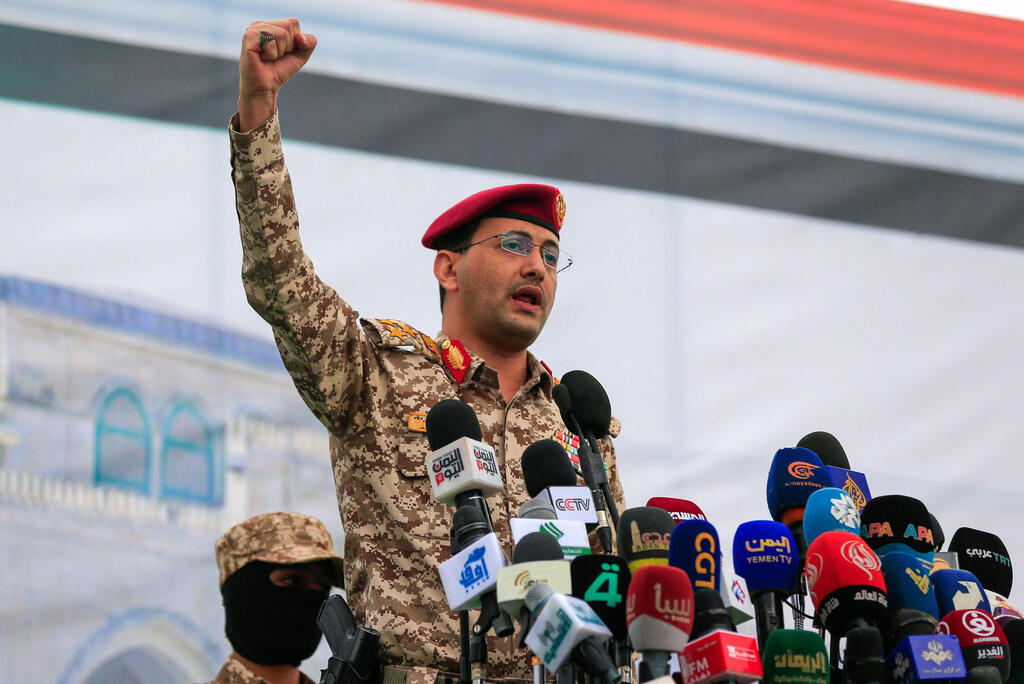
Houthi military spokesperson Yahya Saree said the group targeted the tankers Encelia and Layla because they had allegedly violated a newly declared maritime blockade on Saudi-linked vessels.
According to Saree, the operation involved ballistic missiles, cruise missiles and armed drones. He claimed the attacks caused fires aboard the ships and forced several other vessels to abandon their planned routes.
Saudi authorities confirmed that the Encelia had been struck.
The Saudi Press Agency cited an official from the kingdom’s Transport General Authority as saying that all crew members aboard the tanker were safe.
The official condemned the incident as a violation of international law and maritime conventions designed to protect commercial ships and their crews.
Saudi officials did not immediately provide details regarding the Houthis’ claim that the Layla had also been attacked.
The United Kingdom Maritime Trade Operations centre, which monitors security incidents affecting shipping in the region, separately reported that a tanker had been hit by an unidentified projectile.
The ship’s captain reported that the strike caused a fire onboard and that the crew was attempting to bring the blaze under control.
The Houthis, officially known as Ansar Allah, announced a naval embargo against Saudi Arabia on July 20.
The declaration followed a period of renewed violence in Yemen, including an attack by Yemeni government forces on Sanaa airport. The government said the operation was intended to prevent an Iranian aircraft from landing at the Houthi-controlled facility.
The Houthis described their maritime campaign as retaliation for what they say has been a long-running blockade imposed on areas under their control.
The group said it was responding according to the principle of reciprocal pressure, arguing that restrictions on Houthi-controlled ports and airports would be answered with restrictions on Saudi maritime activity.
The Houthis seized Yemen’s capital, Sanaa, in 2014 and have fought the internationally recognised government and a Saudi-led military coalition for more than a decade.
The group accuses Riyadh of maintaining an economic and military siege that has restricted access to ports, airports, fuel and other essential supplies.
Saudi Arabia rejects the allegation that it is deliberately blockading the Yemeni population.
Critics of the Houthis also note that the group has previously rejected proposals aimed at restoring or expanding international flights from Sanaa.
Observers say the Houthis’ immediate goal may be to force Saudi Arabia to ease restrictions on ports and airports in territories controlled by the movement.
The claimed tanker attacks come at a particularly dangerous moment for global energy markets.
Shipping through the Strait of Hormuz has already been severely disrupted by the continuing conflict involving the United States, Israel and Iran.
Saudi Arabia has therefore been seeking to move more oil through alternative routes leading to the Red Sea and the Bab al-Mandeb Strait.
The Houthi campaign now threatens that alternative corridor as well.
The Bab al-Mandeb links the Red Sea with the Gulf of Aden and serves as a critical passage for vessels travelling between Asia, Europe and the Mediterranean through the Suez Canal.
At its narrowest point, the strait is approximately 29 kilometres wide, forcing commercial traffic into limited inbound and outbound channels.
This geographical constraint makes the waterway especially vulnerable to missile attacks, drone strikes, naval mines and blockades.
Large volumes of crude oil, refined petroleum products and other cargo pass through the passage each year.
In 2024, an estimated 4.1 billion barrels of oil and petroleum products moved through the Bab al-Mandeb, representing roughly 5 percent of the global total.
Any prolonged disruption could increase freight charges, insurance premiums and energy prices while forcing ships to take longer and more expensive routes around southern Africa.
The Houthis have demonstrated their ability to disrupt international trade in the past.
Following the outbreak of the Gaza war in October 2023, the group began attacking vessels in and around the Red Sea, saying the campaign was intended to pressure Israel and support Palestinians.
The attacks forced many global shipping companies to divert vessels away from the Suez Canal and around the Cape of Good Hope.
That diversion added significant travel time and costs to international trade.
The Houthi maritime campaign was later reduced following the announcement of a ceasefire in Gaza in October 2025.
Supporters of the movement argue that its earlier operations demonstrated that it can impose meaningful pressure on shipping routes and regional economies.
They also point to the decline of activity at Israel’s southern port of Eilat during the previous Red Sea campaign.
The latest escalation raises the possibility that the Houthis may again attempt to control or severely restrict traffic through the Bab al-Mandeb.
Such a development would be particularly damaging if shipping through the Strait of Hormuz remains disrupted.
Together, the two waterways carry a substantial share of the world’s oil and gas supplies.
Analysts have warned that simultaneous closures or severe restrictions at both chokepoints could affect as much as a quarter of global oil and gas flows.
That prospect would place enormous pressure on energy markets and could create shortages, price spikes and wider economic instability.
The attack also increases the risk of a direct military response from Saudi Arabia or its allies.
Riyadh may seek to protect its tankers and export routes through naval escorts, air defence operations or strikes against Houthi military infrastructure.
However, any large-scale retaliation could restart a broader conflict in Yemen after years of diplomatic efforts aimed at reducing hostilities.
The safety of civilian sailors remains another major concern.
Commercial tanker crews have limited ability to defend themselves against missiles and drones, and fires aboard oil-carrying vessels can create serious environmental and humanitarian risks.
Even an unsuccessful attack can force shipping companies to suspend operations, change routes or avoid the region altogether.
The Houthis’ claim that nearly 10 ships had already turned back suggests the threat may be influencing commercial decisions beyond the two tankers reportedly targeted.
The full extent of the damage to the Encelia and the circumstances surrounding the alleged attack on the Layla remain unclear.
Nevertheless, the incidents demonstrate that the Red Sea has once again become a central front in the region’s overlapping conflicts.
With the Strait of Hormuz under pressure and the Bab al-Mandeb now facing renewed Houthi attacks, global energy and shipping networks are confronting the possibility of disruption at two critical maritime chokepoints simultaneously.
