


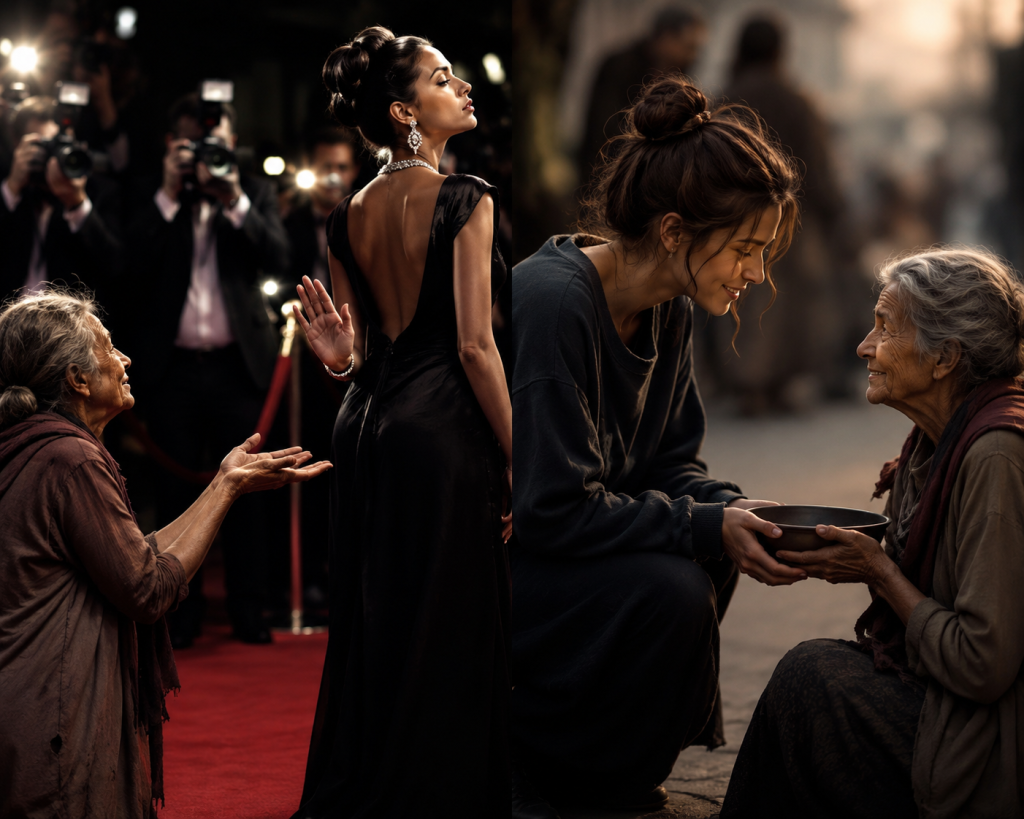
Fame can provide access to luxury, influence and exclusive opportunities, but it does not always translate into respect, humility or good behaviour.
A growing debate over celebrity etiquette has emerged after several high-profile figures faced criticism for actions that many observers described as entitled, inconsiderate or disconnected from ordinary expectations.
From ignoring traditional standards at prestigious events to causing disruption for local communities during extravagant private celebrations, recent controversies have raised questions about whether modern celebrity culture places too much emphasis on status and attention rather than courtesy.
The debate has intensified as social media continues to document and amplify moments of questionable behaviour by entertainers, athletes and online personalities.
One example involved the Wimbledon Championships, one of the world’s most traditional sporting events.
For decades, Wimbledon’s hospitality areas have maintained strict expectations around appearance and conduct.
While most guests continue to respect those traditions, some celebrity attendees attracted criticism for clothing choices that were viewed by some as unsuitable for the historic tournament.
The criticism was not necessarily about fashion itself, but about whether famous individuals believed their status allowed them to ignore expectations followed by other guests.
Many argued that respecting traditions at major cultural events is less about following rules and more about showing consideration for the occasion and those attending.
Another controversy involved a luxury celebrity wedding that reportedly created significant inconvenience for local residents and visitors.
Large security operations, road restrictions, crowd control measures and limited public access generated complaints that ordinary people were being affected by a private celebration.
Supporters of major celebrity events argue that security and logistical arrangements are unavoidable due to the public profile of those involved.
However, critics say private wealth should not come at the expense of communities that must deal with disruption.
The incidents have highlighted a wider difference between luxury and class.
Luxury is often associated with money, designer clothing, expensive homes, private transport and exclusive experiences.
Class, however, is generally considered a reflection of behaviour.
It is shown through respect, kindness and the way people treat others when there is no personal advantage involved.
Small gestures such as thanking employees, respecting local customs, arriving on time, listening carefully and accepting responsibility for mistakes often reveal more about a person’s character than their financial success.
Historically, etiquette was not only about social status.
Many traditional forms of manners developed as ways to demonstrate respect and reduce unnecessary conflict between people.
Simple actions such as greeting others politely, waiting patiently and considering how one’s behaviour affects those around them were viewed as signs of good character.
Critics argue that parts of modern celebrity culture have shifted away from these values.
Social media platforms often reward attention, controversy and viral moments.
As a result, some public figures may gain visibility from behaviour that would previously have been considered inappropriate or disrespectful.
The pursuit of online engagement can sometimes encourage individuals to prioritise being noticed over being considerate.
Psychologists have also suggested that constant public attention can influence how some celebrities interact with others.
Many famous individuals live in environments where assistants, managers, security teams and supporters regularly accommodate their needs.
Over time, this level of attention may reduce opportunities for honest feedback or situations where someone challenges their behaviour.
This can create a risk that some public figures become less aware of how their actions affect ordinary people.
However, supporters of celebrities argue that public figures should not be judged entirely by isolated mistakes.
They point out that entertainers and athletes face unusual pressures, including demanding schedules, constant travel, media scrutiny and intense public expectations.
A single poor decision does not necessarily represent a person’s entire character.
The criticism becomes stronger, however, when questionable behaviour appears repeatedly.
Observers argue that consistent disregard for rules, staff members or local communities can create the impression that wealth and fame provide special privileges.
The conversation is also connected to broader cultural changes.
Modern society often measures success through social media followers, financial achievements and public visibility.
In such an environment, qualities like humility, patience and kindness may receive less attention despite remaining important in everyday life.
Many successful public figures continue to demonstrate that fame and good manners can exist together.
Actors who acknowledge production staff, athletes who respect supporters, musicians who thank event workers and business leaders who treat employees fairly often create positive impressions without seeking attention.
These examples rarely become major headlines because respectful behaviour is often quiet and ordinary.
Hospitality workers frequently say that truly influential individuals are often the most respectful guests.
People who are confident in their achievements usually do not need to demonstrate importance through demands or special treatment.
By contrast, individuals trying to emphasise their status may be more likely to expect exceptions or ignore established expectations.
The issue of celebrity manners has also become increasingly important for brands and sponsors.
Companies invest millions in partnerships with public figures whose personal image reflects their values.
Repeated controversies involving arrogance or disrespect can damage commercial relationships and affect long-term reputation.
For this reason, personal conduct has become an important part of celebrity management.
Social media has made this challenge even greater.
Behaviour that was once witnessed only by a small group of people can now be recorded, shared and discussed globally within minutes.
This has increased public expectations that famous individuals should demonstrate accountability and awareness.
The way a person treats hotel workers, drivers, restaurant employees, cleaners, security staff and junior colleagues often provides a clearer picture of their character than carefully managed public appearances.
Respect toward people who have less power is frequently seen as one of the strongest indicators of genuine character.
The broader lesson extends beyond celebrity culture.
Success, wealth and recognition can change a person’s lifestyle, but they do not automatically improve their personality.
Courtesy, gratitude and respect require no financial investment.
Anyone can demonstrate good manners by listening, apologising when wrong, appreciating others and treating people fairly.
Public fascination with celebrity behaviour is unlikely to disappear.
However, the continuing debate serves as a reminder that fame alone does not determine a person’s true value.
Professional achievements may create recognition, but personal conduct determines how someone is remembered.
Luxury can be purchased.
Popularity can be created.
Influence can be built.
But genuine class remains measured by something far simpler — how people behave when there is nothing to gain and no audience watching.
The latest celebrity controversies highlight that public figures carry greater responsibility because their actions are seen and often copied by millions.
Ultimately, a successful career may attract attention, but humility, kindness and respect create the lasting reputation that fame alone cannot provide.
