


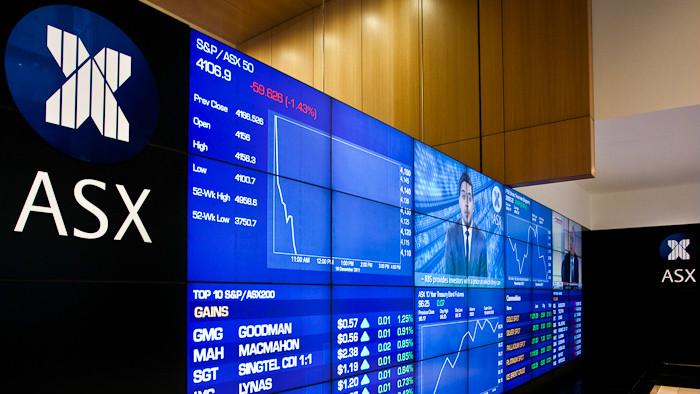
Australia’s share market has extended its record-breaking run, with the S&P/ASX 200 reaching new highs as investors welcomed improving Middle East peace prospects and stronger-than-expected company results.
The benchmark ASX 200 climbed 43.8 points, or 0.47 per cent, to 9,271.6 points, while the broader All Ordinaries index also reached a record level. The gains marked another strong session for Australian equities, supported by broad improvements across multiple sectors.
Investor confidence improved as markets reacted positively to signs of potential progress in US–Iran diplomatic discussions, reducing fears of further military escalation and possible disruption to global energy supplies. Falling oil prices helped support market sentiment, particularly as traders monitored developments around the strategically important Strait of Hormuz.
Mining stocks were among the strongest performers, with gold producers benefiting from renewed investor interest. Companies including Northern Star Resources, Evolution Mining and Newmont recorded gains as precious metal prices strengthened amid changing expectations around global interest rates.
Healthcare stocks also contributed to the rally, with major companies such as CSL and ResMed posting positive moves. Investors were encouraged by stronger corporate performances as Australia entered a key earnings reporting period.
Several major companies delivered results that boosted confidence. News Corp, REA Group and AMP all recorded share price gains after reporting improved financial performance and stronger outlooks.
However, not all sectors benefited. Property, industrial and utility stocks faced pressure, while energy companies were affected by weaker oil prices linked to hopes of easing Middle East tensions.
Market analysts said the rally reflects a combination of improving geopolitical sentiment, resilient corporate earnings and expectations that central banks may avoid further aggressive interest rate increases. However, investors remain cautious as future developments in global politics and inflation continue to influence markets.
