


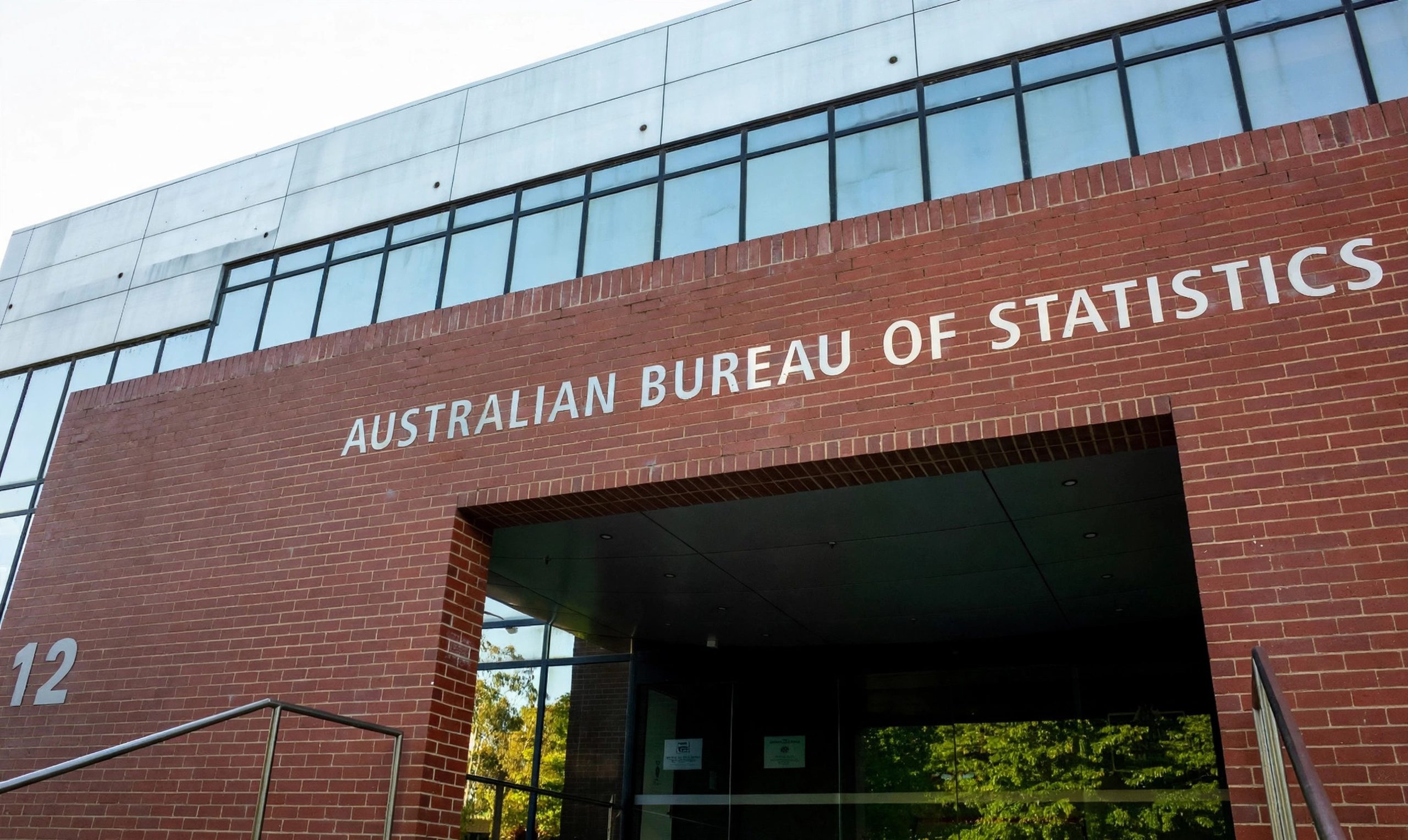
Australian wages grew at their fastest pace in almost three years in the September quarter, according to new figures from the Australian Bureau of Statistics (ABS).
The ABS said its Wage Price Index rose 1.1 per cent in the September quarter 2026, the strongest quarterly rise since the December quarter 2023. Wages also grew 3.5 per cent over the year, slightly higher than the 3.4 per cent recorded at the same time last year, but still below the peak of 4.3 per cent in late 2023.
Public sector wages rose 1.3 per cent in the quarter, while private sector wages rose 1.0 per cent, according to the ABS.
“Wage setting decisions made by the Fair Work Commission, including the Annual Wage Review increase of 4.75 per cent to modern awards, were a key driver of much of the growth in private sector wages this quarter,” said Rachael McCririck, ABS head of prices statistics.
“The main driver of public sector wage growth was pay rises for state government front-line workers covered by enterprise agreements. This included groups like nurses, midwives and police officers.”
In annual terms, public sector wages grew 3.9 per cent, up from 3.8 per cent a year ago. It also outpaced the 3.4 per cent growth recorded in the private sector, which was up from 3.2 per cent at the same time last year. According to the ABS, this is the seventh quarter in a row in which annual wage growth in the public sector outpaced private sector growth.
The Wage Price Index measures the change over time in the price of wages and salaries in Australia. It is unaffected by changes in the quality or quantity of work performed or the composition of the workforce.
By state and territory, Western Australia logged the biggest quarterly change in wages with 2.0 per cent, followed by South Australia with 1.9 per cent. Tasmania saw a 1.8 per cent quarterly change in wages, while New South Wales and Victoria both recorded a 1.7 per cent quarterly movement. In annual terms, South Australia saw the biggest change with 4.3 per cent, followed by Western Australia with 3.7 per cent.
By industry, the biggest quarterly movement was recorded in Accommodation and food services, at 3.4 per cent. This is followed by Health care and social assistance at 2.6 per cent, and then Retail trade at 2.3 per cent. In annual terms, the biggest change was recorded in Health care and social assistance at 4.9 per cent, followed by Mining at 4.2 per cent, and then Accommodation and food services at 4.1 per cent.
The strong wages figures land as the Reserve Bank of Australia weighs its next move after lifting the cash rate to 4.85 per cent at its November meeting, an 18-year high, while unemployment sits at a five-year high of 4.7 per cent. All eyes now turn to Thursday’s jobs report for the next clue on where interest rates head from here.
