


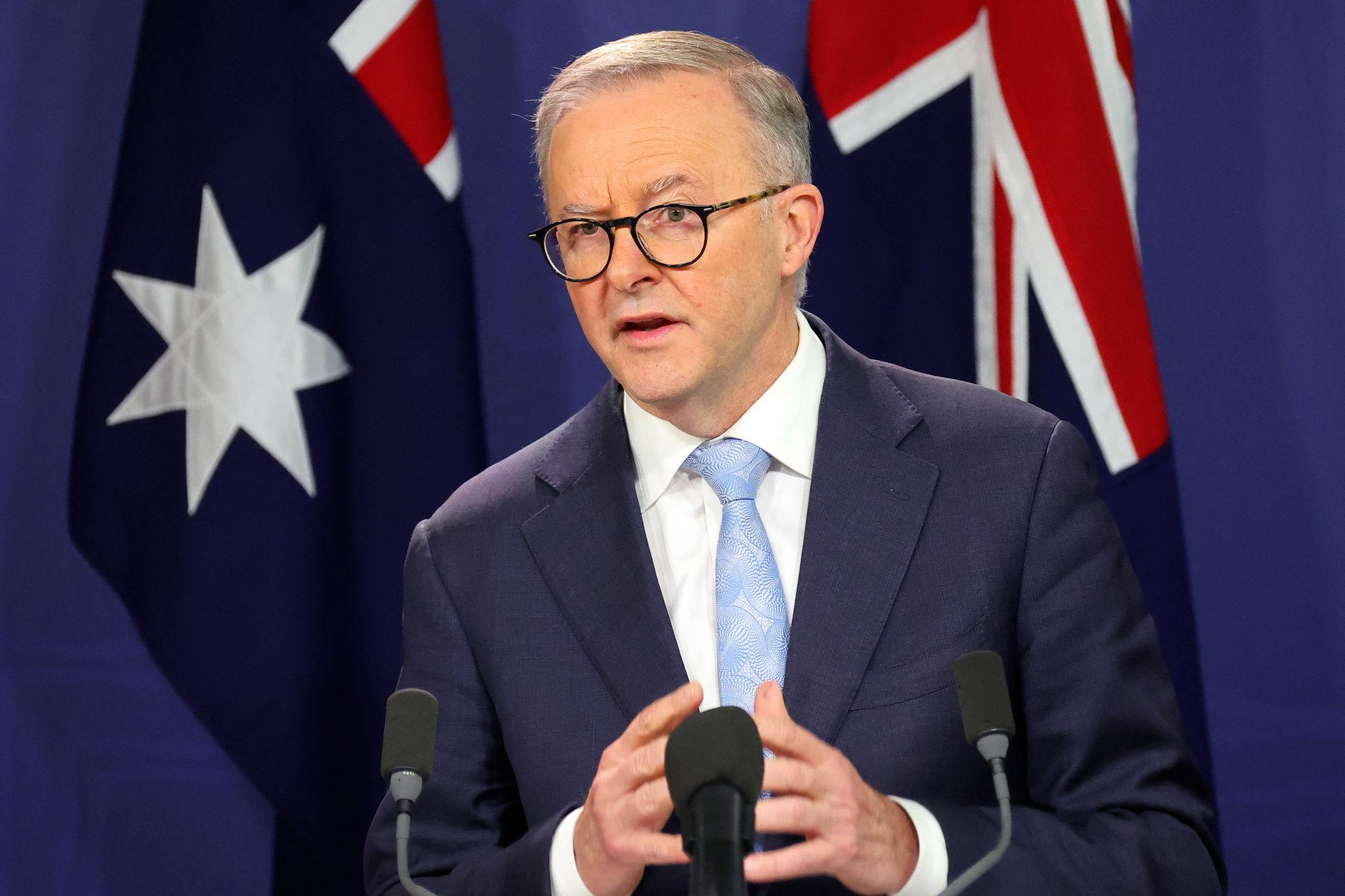
Prime Minister **Anthony Albanese has publicly rejected comments by former U.S. President **Donald Trump regarding proposed tariffs tied to historical slavery issues, calling them “unjustified” and misaligned with Australia’s values and economic interests.
Trump, speaking in the context of trade negotiations, suggested that tariffs could be used as leverage over nations with historical links to slavery — a move that drew swift criticism from global leaders and economists. Albanese responded that such rhetoric undermines cooperative trade relationships and detracts from constructive engagement on shared economic challenges.
The Prime Minister emphasised Australia’s longstanding commitment to fair trade and mutual respect in international relations. He said that linking tariff policy to historical grievances would set a troubling precedent and could destabilise established trade frameworks critical to the global economy.
Economic analysts have warned that introducing politically charged conditions into trade discussions risks creating uncertainty for exporters and investors. Australia, like many nations, relies on stable tariff arrangements to support sectors from agriculture to manufacturing, and unpredictable policy shifts can affect export flows and market confidence.
Albanese’s statement came during parliamentary remarks and diplomatic discussions with trade partners, where he underscored the importance of evidence‑based policy and multilateral cooperation. The Prime Minister said Australia would continue to advocate for policies that strengthen, rather than strain, economic ties among key trading nations.
Opposition figures in Australian politics have echoed concerns that politicised tariff threats could have broader implications, and have called for a unified national stance in defending the country’s trade interests.
The debate reflects broader tensions in global politics, where economic policy and historical narratives sometimes intersect — prompting leaders to balance domestic sentiment with strategic international positioning.
As the issue continues to generate commentary, countries engaged in trade negotiations will be watching how rhetoric translates into policy, and whether such proposals gain traction or fade under diplomatic pushback.
