


A proposal aimed at deepening the relationship between the European Union and Australia in response to growing global instability could deliver significant benefits for both partners.
Nonetheless, some experts have expressed concern about Canberra entering a potential defence agreement with Brussels, warning it may not align with Australia’s national interests.
During a meeting in Rome on Sunday, European Commission President Ursula von der Leyen suggested enhancing defence and strategic cooperation with Australia—a proposal that Prime Minister Anthony Albanese received with measured optimism.
Malcolm Davis, a senior analyst at the Australian Strategic Policy Institute, said Europe appeared eager to extend its global influence, especially as tensions rise with an increasingly assertive Russia.
Although still in its infancy, Dr Davis believes the proposed alliance could broaden Australia’s defence options, particularly as questions linger around the long-term viability of the AUKUS partnership.
“This initiative clearly reflects rising doubts about America’s global role under a potential Trump 2.0 presidency,” Dr Davis said.
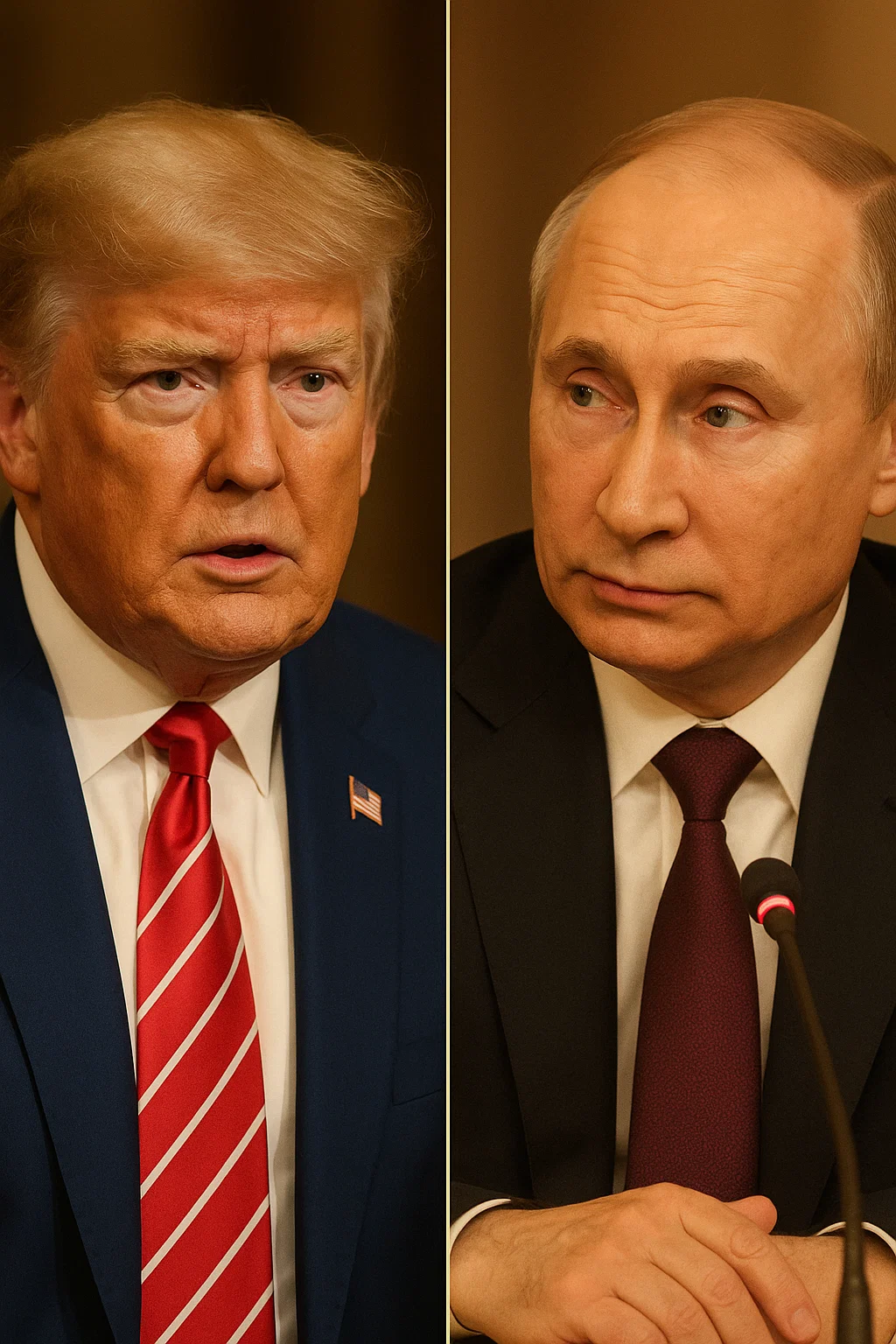
“Europe sees that Trump may not uphold NATO commitments or broader security obligations, so it’s moving toward self-reliance—boosting defence spending and rapidly building its military capabilities in anticipation of future threats, particularly if Trump negotiates with Putin in a way that compromises Ukraine and, by extension, Europe.”
‘Europe Gains More Than Australia’
While a strategic partnership with Europe may offer certain advantages to Australia, some argue that binding defence commitments would not serve the country’s best interests.
Alexander Korolev, Senior Lecturer in Politics and International Relations at the University of New South Wales, believes Australia should focus more on reinforcing ties within the Asia Pacific region.
He told the ABC that Europe stands to benefit more from the arrangement, particularly in terms of defence.
“Trump’s leadership fractured the collective stance against Russia,” Dr Korolev said.
“Without U.S. backing, Europe’s impact on the Ukraine conflict is limited. The EU’s geopolitical influence in this context has clearly waned.”
Dr Korolev stressed that Australia’s strategic interests are firmly rooted in the Asia Pacific—an area where Europe is also keen to expand its presence.
“Building strong diplomatic and economic ties with Europe makes sense given the unpredictability of U.S. foreign policy,” he said.
“But extending this relationship into defence commitments is unwise. Investing in a region not central to Australia’s national priorities doesn’t make strategic sense. Europe is more dependent on Australia now, largely due to shifts in Washington.”
Dr Davis countered that aligning more closely with Europe could help Australia diversify its defence procurement and access new military technologies—especially important given the uncertainty surrounding Trump’s policy in the Indo-Pacific.
“There are clear opportunities in defence cooperation, including participation in European military projects, which would allow us to diversify supply chains. That’s a smart move right now,” he said.
Vance’s Speech and Europe’s Strategic Shift
Europe’s move toward stronger defence ties with global allies isn’t driven solely by Putin’s expansionist ambitions.
According to Dr Léa Vuong, Chair of French and Francophone Studies at the University of Sydney, a pivotal moment came when U.S. Vice President JD Vance delivered a speech to the EU in February, prompting European leaders to reconsider their security reliance on the U.S.
Following the speech, French President Emmanuel Macron called for an emergency meeting and later warned publicly about the resurgence of war in Europe, urging for a more robust and independent European defence posture.
“Europe is now positioning itself as a self-reliant defence actor and is seeking partnerships with countries that share liberal democratic values,” Dr Vuong said.
She also noted that improved ties between France and Australia represent a step forward after the submarine deal between the two countries was cancelled.
Dr Davis added that Europe has enduring interests in the Indo-Pacific, citing France’s territories in the Southwest Pacific and the UK’s strategic involvement through both AUKUS and the UN Command in Korea.
Other European nations, he noted, are also trying to navigate the growing influence of China, which is pushing to shape EU policy to its advantage.
Global Interdependence Still Matters
Professor John Blaxland, from the Strategic and Defence Studies Centre at the Australian National University, emphasized that despite geographic distance, Australia and Europe remain deeply interconnected.
He argued that Australia’s ties with both Europe and the Asia Pacific are vital and not mutually exclusive.
“France has major stakes in the Pacific, the UK is involved through defence pacts like the Five Powers, and Germany has substantial interests in Asia,” he said.
“Forming strategic partnerships benefits Australia and reflects a changing global landscape.”
Such collaborations are not about obligating Australia to fight European wars, Blaxland clarified, but about building mutual deterrence through joint exercises and intelligence sharing.
He concluded that Australia has much to gain from deeper collaboration with Europe and may be more closely aligned with its European allies than many assume.
