


India and Pakistan are once again on the brink of war following a terrorist attack in Kashmir that killed 26 tourists, mostly Hindu Indians. The attack sparked a dangerous cycle of accusations and military threats between the two nuclear-armed nations. Indian Prime Minister Narendra Modi promised to track down and punish the terrorists, while Pakistan dismissed the claims linking the attack to its territory, demanding credible evidence.
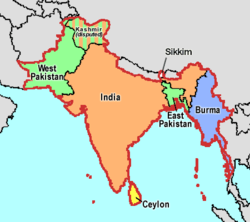
At the heart of the conflict lies Kashmir, a disputed region with a long history of tensions. India’s Hindu nationalist government under Modi has imposed strict central rule in Kashmir, which has exacerbated local resentment and fueled broader regional tensions. The imposition of harsher laws, curfews, and political arrests has led to an ongoing climate of fear and violence.
The group “The Resistance Front” (TRF), believed to be a faction of Pakistan’s Lashkar-e-Taiba militant group, claimed responsibility for the Pahalgam attack, accusing India of trying to alter the region’s demographic makeup. Modi has used these ties to Pakistan to label the attack as cross-border terrorism and has taken punitive actions, including expelling Pakistani diplomats and suspending the Indus Waters Treaty.
Pakistan, facing internal turmoil with a deeply unpopular military and economic crisis, has condemned India’s actions, describing the suspension of the water treaty as an “act of war.” The military, under pressure, may see the Kashmir issue as an opportunity to bolster its legitimacy. Despite this, low-level exchanges of fire continue along the Line of Control (LoC), the de facto border between the two countries in Kashmir.
The situation is complicated further by China’s involvement. China, which supports Pakistan’s sovereignty and security concerns, adds a dangerous element to the crisis, increasing the risk of a two-front war for India. The threat of nuclear escalation looms, as both countries possess nuclear weapons, and a limited war between them could prompt the use of tactical nuclear weapons.
Experts warn that a more forceful military response from India could provoke a stronger retaliation from Pakistan, and the lack of clear communication between the two sides raises the risk of uncontrollable escalation. China’s military presence in the region adds another layer of complexity, with thousands of troops positioned along the Indian border. As the crisis continues to intensify, analysts suggest that India must carefully consider its actions to avoid unnecessary escalation, with a focus on long-term strategy rather than short-term emotional responses.
