


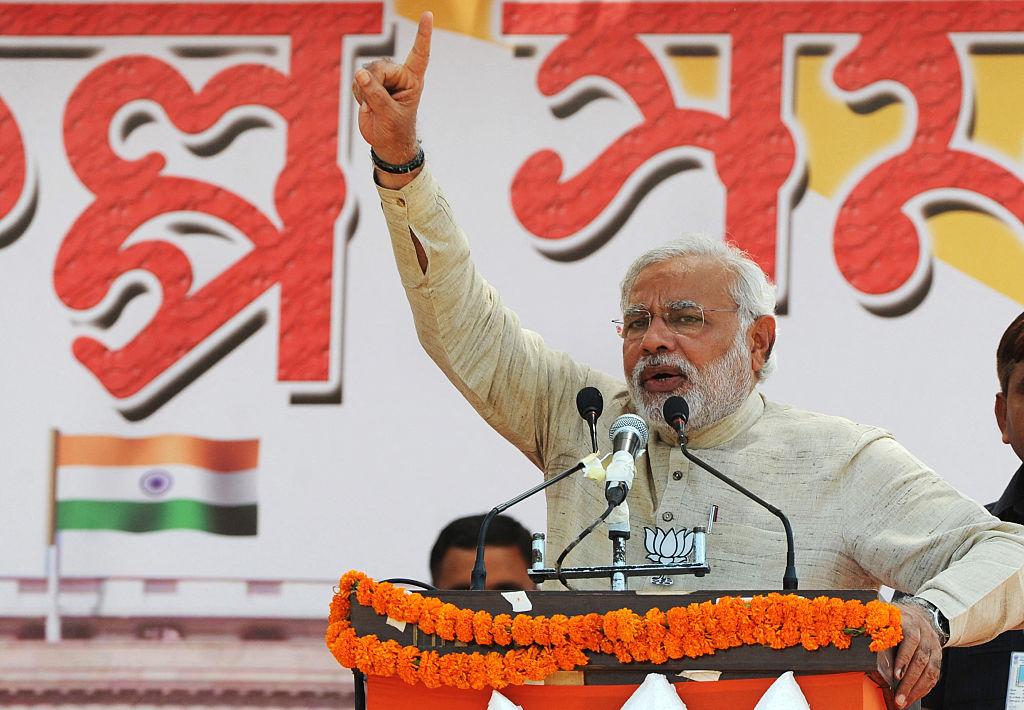
Indian Prime Minister Narendra Modi has faced an uncommon political setback following a wave of mass student protests that erupted across the country. The unrest — driven by demands for greater educational opportunities, job security and public sector reforms — forced Modi’s government to retreat on key policy proposals, marking a rare defeat for the long‑dominant leader.
The protests, led by university and college students, galvanized broad support through social media, demonstrations in major cities and coordinated actions on campuses. Participants expressed frustration with rising tuition fees, limited access to quality education and a perceived lack of government responsiveness to youth concerns.
In response to the mounting pressure and national attention on the issue, the government withdrew or scaled back parts of its controversial policy initiative that had sparked the backlash. Analysts say the retreat signals a recognition by Modi’s administration that student sentiment can influence national politics — even when confronting a leader known for strong electoral majorities.
Political commentators noted that while Modi’s Bharatiya Janata Party (BJP) usually dominates Indian political discourse with widespread support and organisational strength, sustained grassroots movements such as this one can shift public perception and compel recalibration of policy approaches.
Observers also highlight that the protests came at a time of broader economic and social stress, including youth unemployment challenges and debates over educational reform, which have added fuel to student activism.
The government’s decision to backtrack has been interpreted as a diplomatic calculation aimed at preserving political capital ahead of future elections and maintaining stability among key demographic groups.
Despite Modi’s longstanding public image as a decisive and unyielding figure, this incident underscores the dynamic nature of democratic engagement in India and the potential for civil society movements to shape policy directions.
As reactions continue to unfold, both supporters and critics of the prime minister are assessing the implications of the government’s concession — questioning whether it represents a temporary tactical loss or a more significant shift in governance strategy.
