


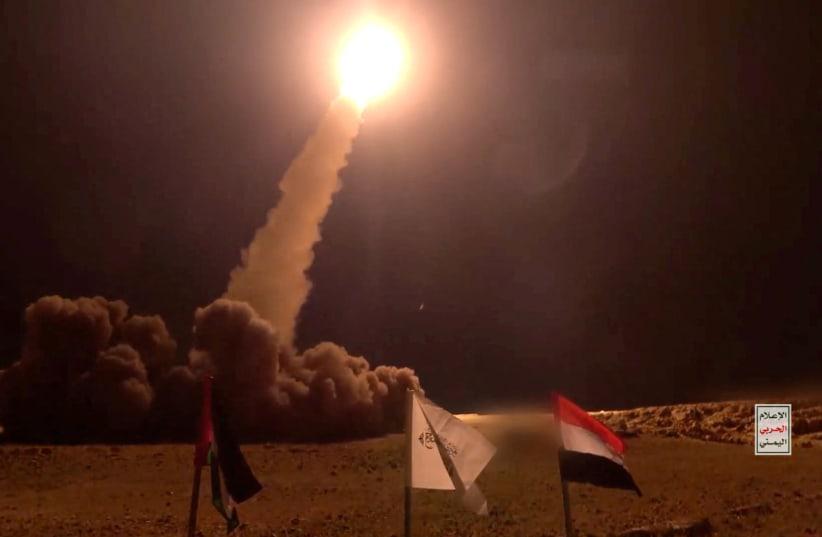
Iran-aligned Houthi forces in Yemen have claimed responsibility for attacks targeting Saudi Arabia, escalating tensions across the Middle East as the United States considers further action against Iran.
The Houthis said they launched strikes against Saudi energy infrastructure, including key oil transport facilities, describing the attacks as retaliation for Saudi military actions and regional involvement. The strikes have raised fresh concerns over the security of vital energy routes and the stability of global oil supplies.
The escalation comes as former U.S. President Donald Trump weighs potential further military responses against Iran, after accusing Tehran of supporting armed groups operating across the region. Washington has warned that attacks by Iran-backed militias could trigger stronger consequences.
Saudi Arabia has increased defensive measures around critical infrastructure, while regional governments remain on alert over the possibility of the conflict spreading beyond Yemen and Iran. Analysts say attacks on oil facilities and shipping routes could have significant consequences for energy markets worldwide.
The developments have already affected oil markets, with traders closely monitoring the risk of disruptions around the Red Sea and Strait of Hormuz, two of the world’s most important energy corridors. Any prolonged instability could push fuel prices higher and add pressure to global inflation.
Diplomatic efforts are continuing as regional and international actors push for restraint, but the situation remains fragile. The involvement of proxy groups such as the Houthis highlights the wider geopolitical struggle between Iran and its regional rivals.
