


Iran’s leadership appears to be wagering that U.S. President Donald Trump will ultimately avoid a prolonged military confrontation, despite the sharp escalation in tensions across the Strait of Hormuz. According to analysis, Tehran believes sustained economic and energy pressure could eventually force Washington back to the negotiating table rather than committing to an extended regional conflict.
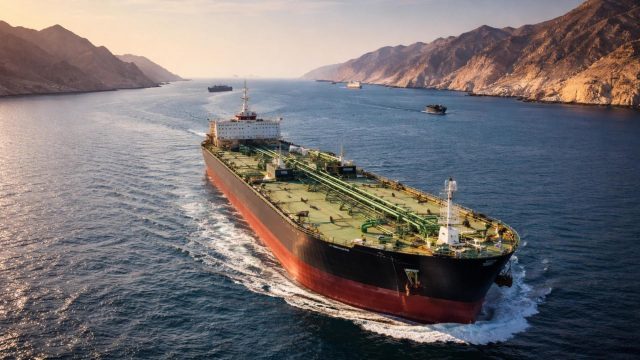
The latest crisis follows Iran’s declaration that it was closing the Strait of Hormuz after renewed U.S. military strikes on Iranian targets. The narrow waterway handles roughly one-fifth of the world’s seaborne oil trade, making it one of the most strategically important shipping routes on the planet. Although the United States insists commercial traffic continues to move through alternative channels under military protection, the confrontation has raised fears of further disruptions to global energy supplies.
Analysts say Tehran’s strategy is rooted in the belief that the United States is more vulnerable to prolonged economic disruption than to direct military confrontation. By threatening international shipping and creating volatility in global oil markets, Iran hopes rising fuel prices and broader economic uncertainty will increase political pressure on the Trump administration to seek a diplomatic solution rather than escalating the conflict further.
However, the strategy carries significant risks. Instead of backing down, the United States has responded with additional rounds of airstrikes targeting Iranian military infrastructure while warning that any further attacks on commercial shipping or American interests will be met with force. The latest exchanges suggest both sides remain determined to avoid appearing weak, increasing the possibility of further escalation despite neither country publicly expressing a desire for full-scale war.
The confrontation also reflects changes within Iran’s leadership following the death of the country’s previous supreme leader. Observers believe Tehran’s new leadership has adopted a more assertive approach to defending its regional influence and challenging U.S. military operations in the Gulf. This shift has made negotiations more difficult, with no new diplomatic talks currently scheduled.
For global markets, the outcome could have far-reaching consequences. Continued instability in the Strait of Hormuz would likely keep oil prices elevated, increase inflationary pressures and weigh on financial markets worldwide. While both Washington and Tehran appear to believe time is on their side, analysts warn that prolonged brinkmanship raises the risk of miscalculation that neither side may ultimately be able to control.
