

Iran’s Supreme Leader Ayatollah Mojtaba Khamenei has pledged that his country will carry out “certain vengeance” for the killing of his father and predecessor, Ayatollah Ali Khamenei, delivering his strongest public statement since assuming the nation’s highest leadership role. The written message was released during the final funeral ceremonies for the former supreme leader, who was killed in a U.S.-Israeli airstrike earlier this year.
In his statement, Mojtaba Khamenei declared that avenging his father’s death was both “the demand of the nation” and an inevitable outcome. He vowed to seek justice for those killed during the conflict, describing retaliation as both a national duty and a religious obligation. Although he did not explicitly name the United States or Israel, the remarks clearly referred to those Iran holds responsible for the assassination.
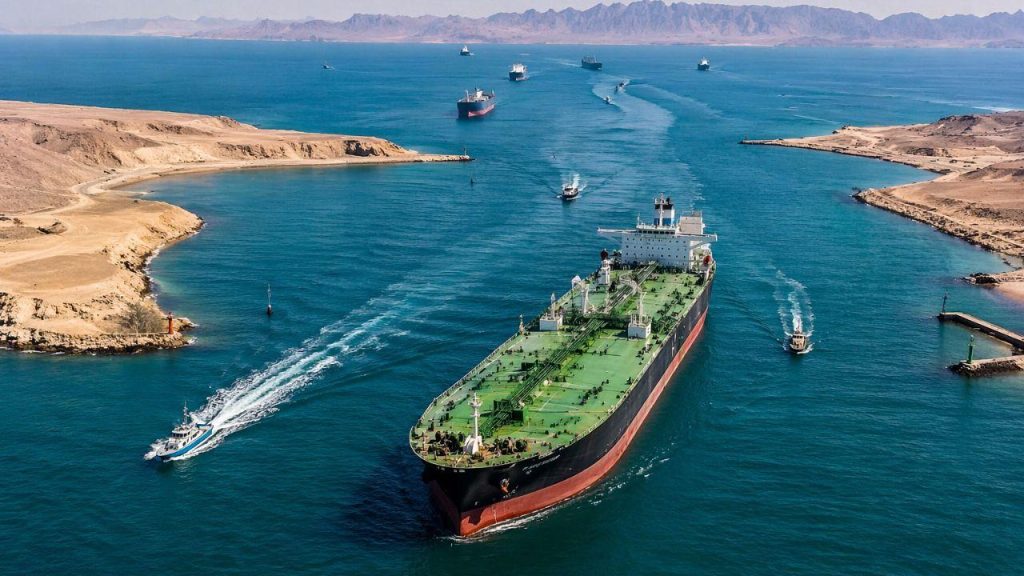
The statement comes as tensions remain high despite renewed diplomatic contacts between Washington and Tehran. Recent military incidents involving shipping in the Strait of Hormuz and exchanges between Iranian and U.S. forces have raised fears of another escalation, even as both sides continue indirect negotiations aimed at reducing the risk of wider conflict.
Mojtaba Khamenei has remained largely out of public view since being appointed supreme leader in March after reportedly sustaining injuries in the same strike that killed his father. His absence from several public events has fuelled speculation about his health, although Iranian state media continue to publish written messages in his name.
International observers say the latest statement underscores the difficult balance facing Iran’s new leadership. While officials continue to threaten retaliation, Tehran is also participating in diplomatic efforts to ease regional tensions and restore stability in the Gulf. Analysts believe the combination of confrontational rhetoric and ongoing negotiations reflects Iran’s attempt to maintain domestic support while avoiding an uncontrolled military escalation.
Financial markets are closely monitoring developments because any renewed conflict could threaten energy exports through the Strait of Hormuz, one of the world’s busiest oil shipping routes. Governments across the Middle East and beyond have continued urging restraint as diplomatic efforts proceed alongside heightened military readiness.
