
Independent online radio stations are becoming increasingly popular as musicians and creative communities search for more personal alternatives to mainstream streaming platforms.
Sydney artist and musician Fernando Benavides is preparing to launch Centre Point Radio, an internet-based station designed to support emerging artists and strengthen cultural connections, particularly in Western Sydney.
Benavides said growing up in Sydney’s west often meant limited access to music venues, cultural spaces, reliable transport and places where creative people could meet. He hopes the new station will help address that gap by giving local artists, DJs and presenters a platform to share their work.
Centre Point Radio is expected to begin broadcasting later in 2026 from a studio in Marrickville. However, Benavides’ longer-term goal is to move the operation to Parramatta by early 2027.
Beyond broadcasting music, the station plans to organise community events, fundraising activities and mutual-aid initiatives. Benavides believes these projects could encourage the development of more live-music venues, record stores and other creative businesses across Western Sydney.
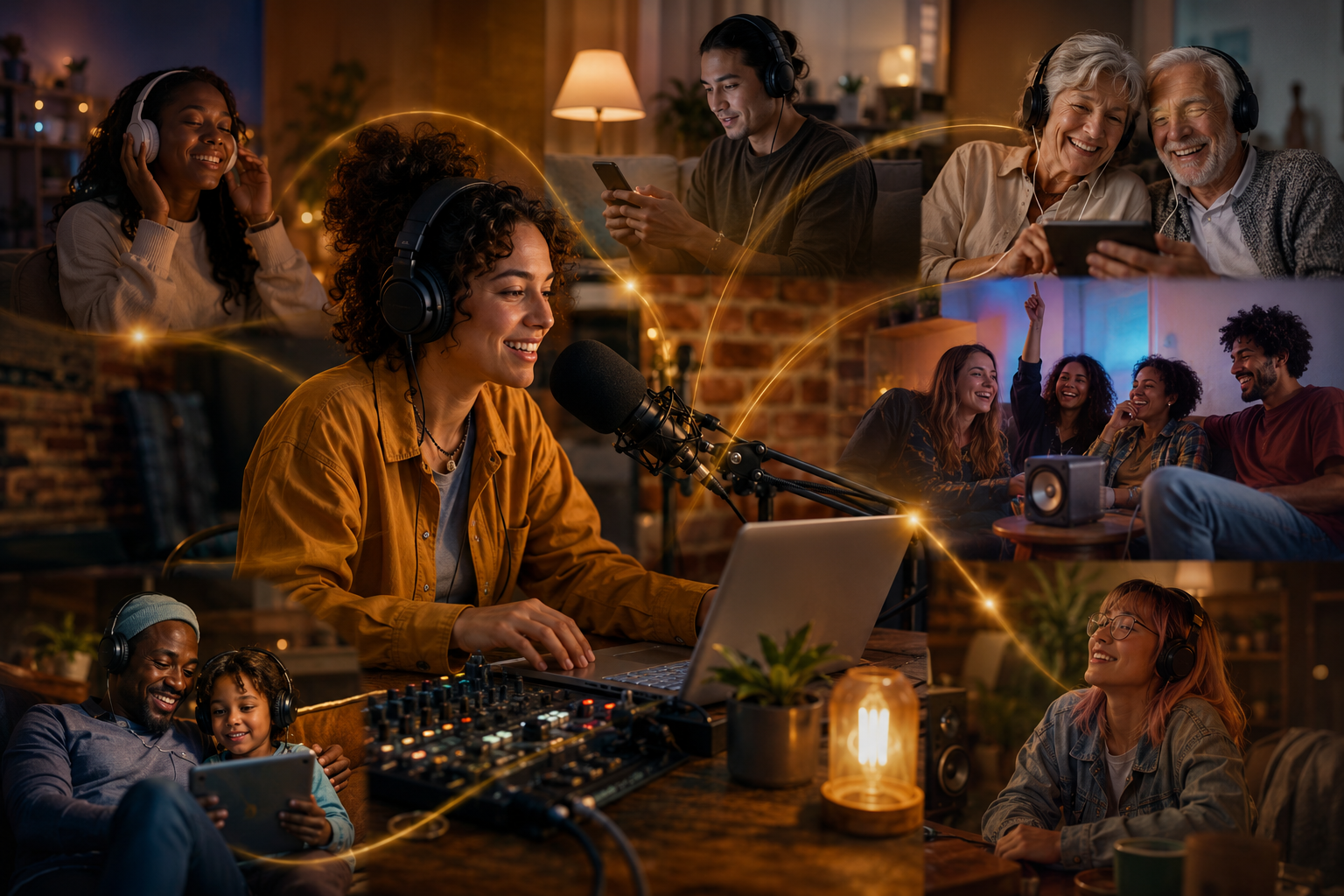
Unlike traditional AM and FM stations, online radio does not require a broadcasting tower or access to limited radio frequencies. Programs are transmitted through the internet, allowing listeners to tune in from almost anywhere.
The flexible format also makes it easier for people to host shows without needing extensive broadcasting experience or expensive equipment.
A similar project, Trust.FM, was launched in Canberra in late June by artist manager Aakanksha Sidhu and DJ Jordan Harrison. The station operates from a not-for-profit cafe and club and broadcasts around the clock.
Its founders created the station to connect Canberra’s underground music community, featuring genres including punk, electronic music, experimental club sounds and EDM. The platform focuses on independent and non-commercial artists who may receive little exposure through mainstream media.
Because Trust.FM operates online, presenters can broadcast from its studio, their homes or other locations. Less-experienced hosts can begin with prerecorded programs or playlists before developing fully curated live shows.
Sidhu said streaming services may give listeners access to almost every type of music, but they do not always provide the sense of human connection that comes from listening to a host explain an artist’s background, discuss a performance or conduct an interview.
Media and journalism academic Susan Forde, who has researched community radio for 25 years, said independent online stations are more successful than ever.
She said social-media promotion and the growing demand for flexible, non-linear content have made it easier for smaller stations to attract audiences. Listeners no longer expect every program to be heard at a fixed time and increasingly prefer content they can access when convenient.
Supporters say the major difference between online radio and algorithm-driven streaming services is the presence of a human curator.
Radio hosts can introduce audiences to unfamiliar performers, explain the stories behind songs, promote local events and help listeners discover music outside their usual preferences.
Benavides said Centre Point Radio was not being established primarily to generate profit. Instead, its purpose was to serve a community and restore the role that DJs and presenters once played in helping audiences discover new artists, genres and musical movements.
