


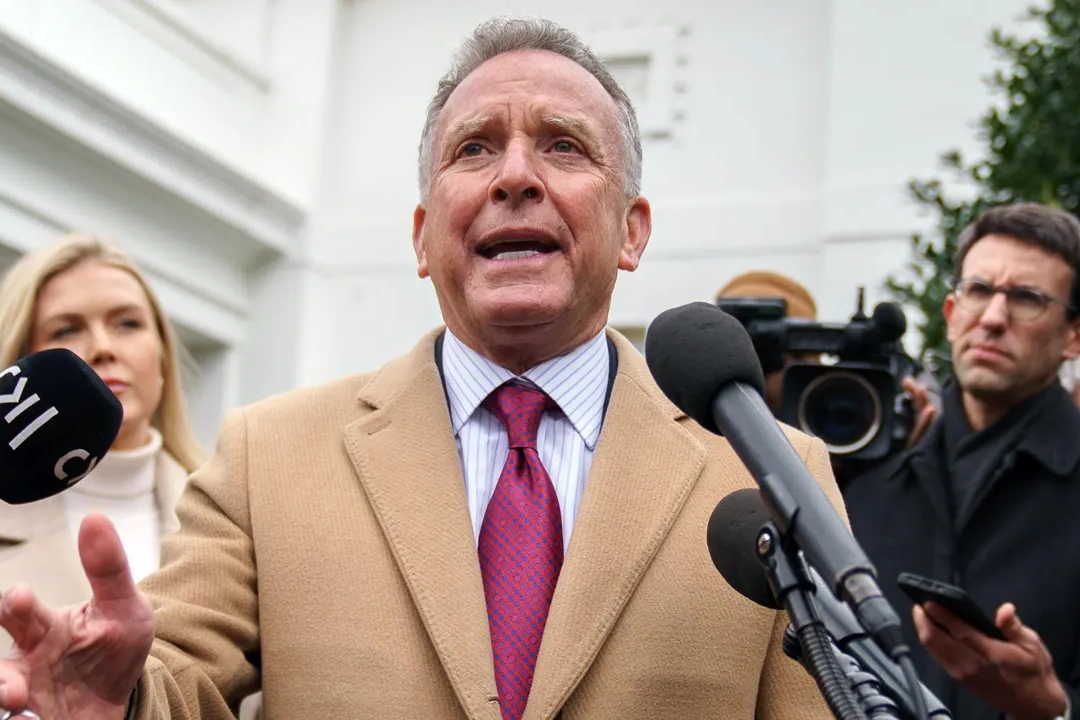
In a bold and controversial statement, Donald Trump’s special envoy to the Middle East, Steve Witkoff, has accused Israel of deliberately extending the war in Gaza and obstructing negotiations related to hostage release.
In a report published by Turkey’s state-run news agency Anadolu on Monday (May 12), Witkoff made these remarks during a meeting with families of Israeli hostages held in Gaza. He reportedly criticized the Israeli government’s role, stating, “We want the hostages to return. But unfortunately, Israel is not yet ready to end the war.”
Israel’s Channel 12 also reported on the meeting held on Sunday (May 11), where Witkoff questioned Prime Minister Netanyahu’s war strategy. “There is no more effective progress to be made from this war, yet it continues,” he said.
Witkoff further stated, “There’s still a window of opportunity, which we hope Israel and mediators will use wisely. We’re doing everything we can to bring back the hostages, applying pressure on all parties involved.”
The remarks come at a time when Hamas announced it is in talks with the US over the release of American-Israeli soldier Alexander Idan, which analysts say could open the door for a potential ceasefire.
Notably, Witkoff’s statement surfaces just before his upcoming diplomatic tour to Saudi Arabia, Qatar, and the UAE, scheduled from May 13 to 16. There are no plans for a visit to Israel during this trip.
Recent reports in US and Israeli media suggest that tensions between Trump’s team and the Netanyahu government have been escalating. Trump’s independent approach to Middle East policy could potentially deepen strategic rifts with Israel, analysts warn.
According to Israeli sources, there are still 59 Israeli hostages in Gaza, at least 21 of whom are believed to be alive. On the other hand, approximately 9,900 Palestinians remain in Israeli prisons. Human rights organizations allege that many of them have died due to torture, starvation, and lack of medical care.
Witkoff’s comments have reignited debate not only about the Gaza war but also about the broader Middle East peace process, with experts suggesting this could have lasting implications for US-Israel strategic relations.
