


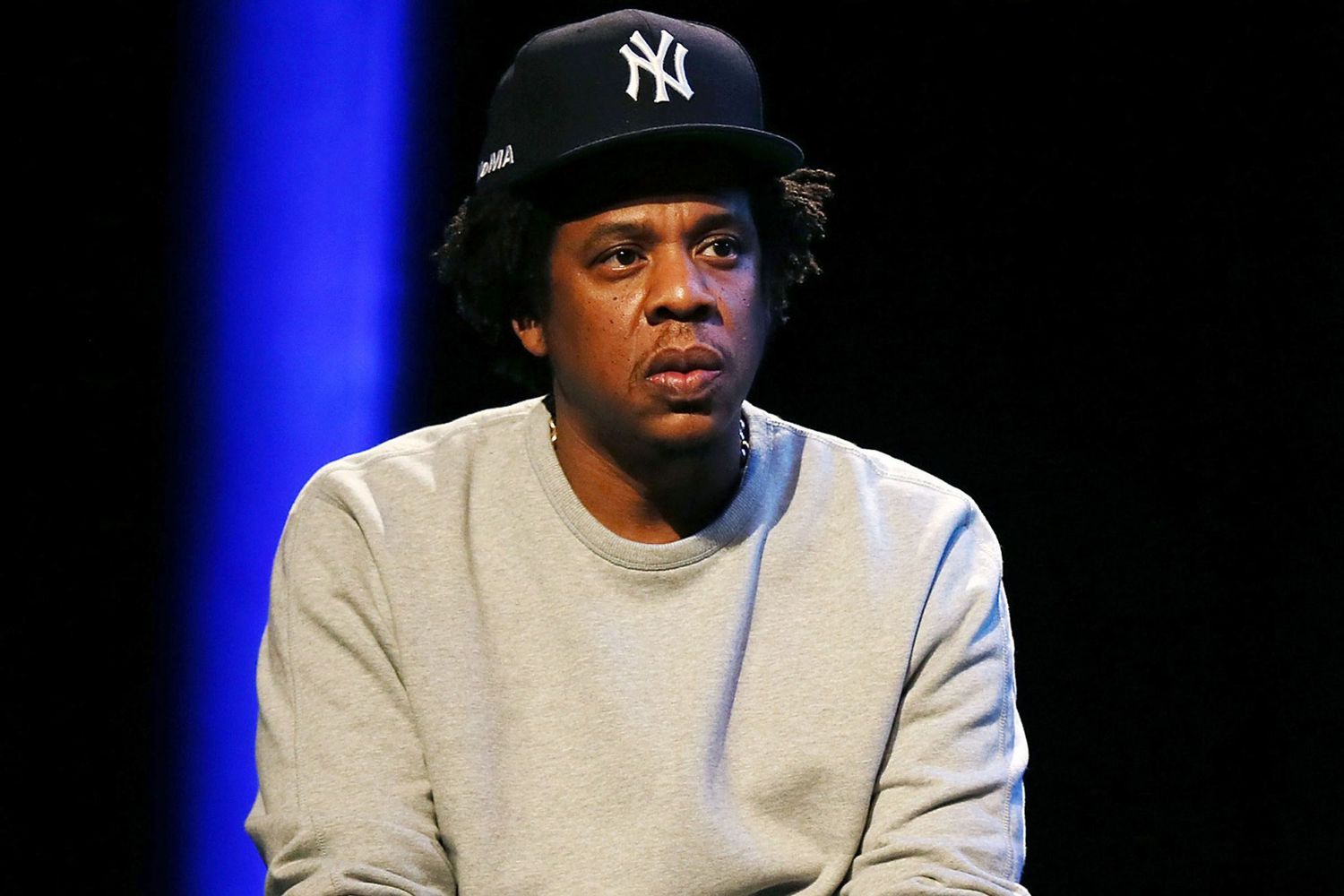
Jay-Z has reflected on the extraordinary journey between the ambitions captured in his earliest music and the life he ultimately built, speaking at the world premiere of his new documentary series Jay-Z in 8 in New York City.
The rapper, entrepreneur and cultural figure attended the black-tie premiere at the Metropolitan Opera House, where the first two episodes of the upcoming HBO Max docuseries were screened for an audience that included prominent names from music, entertainment and other industries.
The event provided Jay-Z with an opportunity to look back on a career spanning three decades, including the lasting influence of albums such as Reasonable Doubt and The Blueprint, his recent return to major live performances and his extensive conversations with producer Rick Rubin for the documentary.
For Jay-Z, revisiting his earliest work has revealed how many of the ambitions he expressed as a young artist eventually became part of his real life.
Early Lyrics Take on New Meaning Decades Later
One of the central themes of Jay-Z’s reflections at the premiere was the experience of returning to songs written when he was still in his 20s.
Those records captured the perspective of an ambitious young rapper emerging from Brooklyn and imagining a future far removed from the circumstances in which he grew up.
Decades later, Jay-Z said revisiting the music allowed him to recognise how many of the goals and aspirations expressed in those songs eventually materialised.
He described some of his early lyrics as a form of manifestation — ideas and ambitions he believed in at the time without knowing whether they would ever become reality.
Looking back from his current position, he said it was remarkable to realise how much of what he envisioned eventually happened.
‘Reasonable Doubt’ Still Connects With Huge Audiences
The rapper’s reflections follow a particularly active period in his career.
Earlier this summer, Jay-Z returned to the top of a major festival bill at the Roots Picnic, marking his first headline performance of that kind in six years.
He then celebrated important milestones for two of the most influential albums in his catalogue.
A series of July concerts at Yankee Stadium commemorated the 30th anniversary of his 1996 debut Reasonable Doubt and the 25th anniversary of 2001’s The Blueprint.
The concerts demonstrated that songs created decades earlier could still connect with audiences on a stadium scale.
Jay-Z said it was particularly meaningful to see tracks originally created without enormous venues in mind resonate with tens of thousands of people.
Songs from Reasonable Doubt, including “Can I Live” and “D’Evils,” were among the early material brought back to a massive live setting.
For the rapper, the audience response offered evidence of the durability of music created much earlier in his career.
Yankee Stadium Shows Become Major Career Celebration
The anniversary concerts became more than a retrospective of Jay-Z’s catalogue.
They developed into large-scale celebrations of his place within hip-hop and popular music, bringing together performers from different stages of his career.
The shows reportedly broke attendance records at Yankee Stadium and featured a substantial lineup of guest appearances.
Beyoncé, Rihanna, Pharrell Williams, Alicia Keys, Eminem and Nas were among the major artists involved.
The performances provided a bridge between Jay-Z’s beginnings in 1990s New York hip-hop and the international entertainment career that followed.
They also arrived at a time when the rapper has increasingly been reflecting publicly on his legacy and the cultural environment that shaped his work.
‘Jay-Z in 8’ Examines Career Through Conversation
That reflection forms the foundation of Jay-Z in 8.
Rather than relying solely on a conventional documentary structure, the series centres on extended one-on-one conversations between Jay-Z and influential producer Rick Rubin.
The discussions were filmed inside a largely empty museum environment, creating a stripped-back setting for conversations about music, ambition, creativity and personal experience.
Across the series, Rubin and Jay-Z revisit different stages of the rapper’s career while examining his lyrics and the circumstances surrounding their creation.
Their discussions also explore Jay-Z’s creative process and the experiences that influenced his development as an artist.
Long Relationship With Rick Rubin Shapes Documentary
Jay-Z said his familiarity with Rubin made the documentary conversations feel more natural than a traditional celebrity interview.
Rubin has been a major figure in popular music for decades and played an important role in the development of hip-hop.
His production history includes work connected to artists such as Run-D.M.C., Public Enemy and the Geto Boys.
He also collaborated with Jay-Z on “99 Problems,” one of the rapper’s best-known recordings.
According to Jay-Z, Rubin’s deep knowledge of music and genuine curiosity enabled their discussions to move beyond predictable interview questions.
Because Rubin understood many of the musical and cultural references being discussed, he could identify details and explore ideas from unexpected angles.
That dynamic became an important part of the documentary’s approach.
Premiere Brings Together Major Entertainment Names
The Metropolitan Opera House premiere attracted figures from across music, fashion, media and entertainment.
Guests reported on the red carpet included Fat Joe, DJ Khaled, Yo Gotti, Gunna, Charlamagne tha God, Winnie Harlow, Rick Rubin and astrophysicist Neil deGrasse Tyson.
Beyoncé was also reportedly present for the screening, joining her husband as the audience watched the opening episodes.
The black-tie setting gave the premiere the atmosphere of a celebration not only of the documentary but also of Jay-Z’s broader contribution to music and culture.
Daniel Kaluuya Helps Bring Series to Screen
Oscar-winning actor Daniel Kaluuya is among the executive producers of Jay-Z in 8, alongside Jay-Z and Rubin.
Kaluuya has described Jay-Z’s willingness to document his environment and speak candidly about his experiences as an important part of the rapper’s cultural significance.
He suggested Jay-Z’s story reaches beyond music because his career reflects wider changes in American society, particularly the experiences and culture surrounding the generation of New Yorkers from which the rapper emerged.
Jay-Z’s music has frequently drawn from the world around him, documenting ambition, inequality, street life, wealth, business and the transformation that accompanied his rise.
That broader social context is among the reasons his career lends itself to an extended documentary examination.
From Brooklyn Beginnings to Global Business Empire
The contrast between Jay-Z’s beginnings and his current position provides another important dimension to the documentary.
Raised in Brooklyn’s Marcy Houses, he entered the music industry without the institutional support available to many established artists.
His debut album, Reasonable Doubt, was released in 1996 and gradually became regarded as one of the defining records of his career.
Over subsequent decades, Jay-Z expanded beyond recording and touring into numerous business ventures while becoming one of hip-hop’s most commercially successful figures.
Forbes has estimated his fortune at approximately $2.8 billion.
That trajectory gives additional meaning to the aspirations contained in his earliest lyrics.
Ideas about success and transformation that once represented possibilities for a young rapper eventually became part of a career spanning music, entrepreneurship and entertainment.
Documentary Arrives at a Reflective Moment
Jay-Z in 8 arrives at a particularly fitting point in the artist’s career.
The anniversary celebrations for Reasonable Doubt and The Blueprint, his return to large-scale performances and the documentary’s examination of his creative history have all encouraged a renewed look at the evolution of his work.
Rather than treating his earliest recordings simply as nostalgia, Jay-Z appears to view them as records of what he believed was possible at different stages of his life.
Hearing those ideas decades later provides a striking contrast between the artist who imagined that future and the global figure he eventually became.
The documentary is positioned to explore that transformation through Jay-Z’s own reflections, with Rubin guiding conversations about the music, experiences and decisions behind one of hip-hop’s longest and most influential careers.
