


29
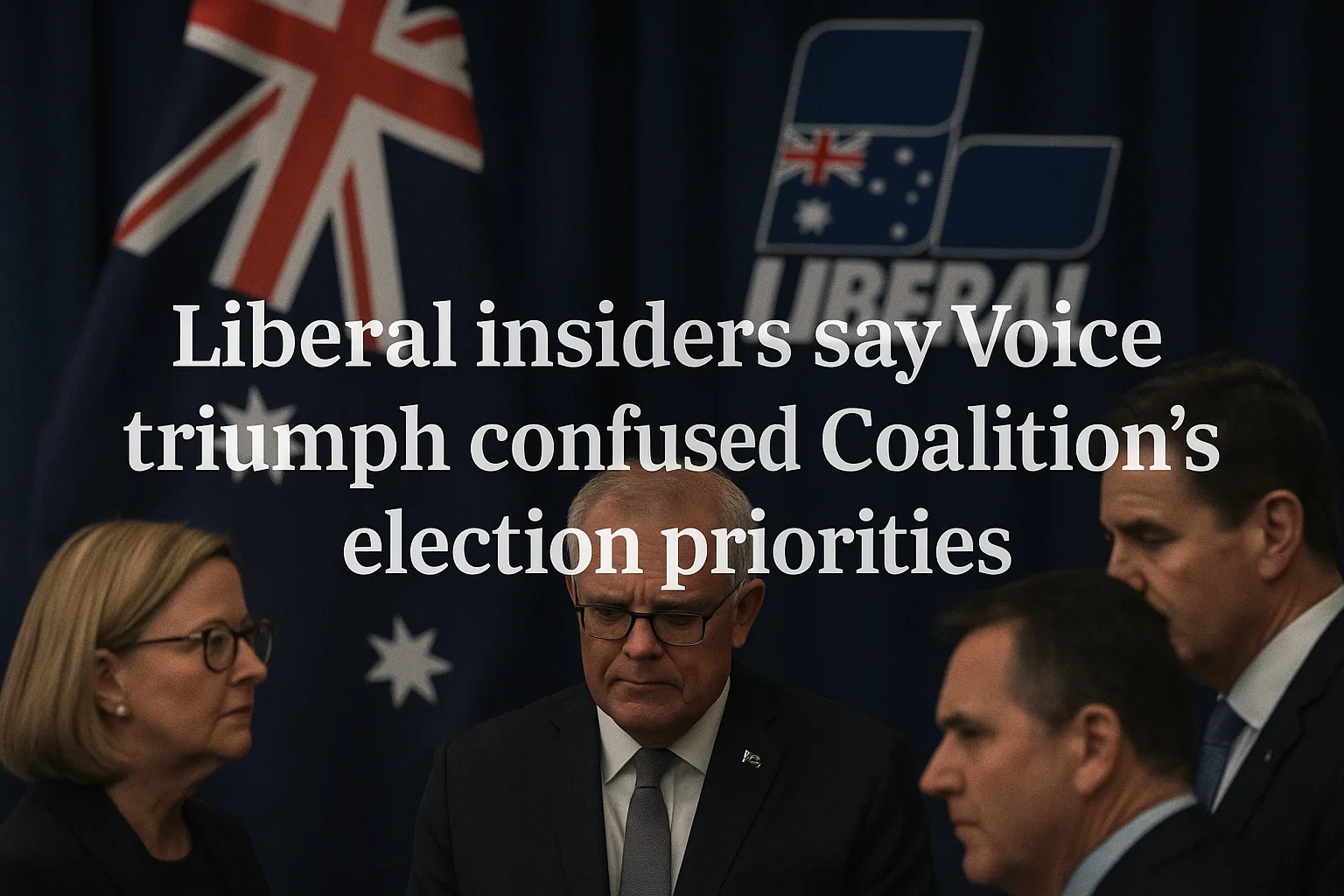
Yes, many within the Liberal Party now view the “No” result in the Voice to Parliament referendum as a pyrrhic victory—a win that ultimately came at great cost and produced misleading conclusions that contributed to their catastrophic election defeat.
Key takeaways from the Four Corners investigation:
False Confidence and Strategic Miscalculation
- Prominent Liberals such as Andrew Hastie and Julian Leeser acknowledged that the defeat of the Voice gave the party a “false sense of confidence.”
- They believed the victory over the referendum meant they were in sync with the electorate, but it masked deeper disconnects on broader policy issues like cost of living, jobs, and the future economy.
- As Hastie put it: “It was a tactical victory… Things can change very quickly in politics.”
Misreading the Electorate
- Leeser highlighted that some internal polling wrongly interpreted Labor “No” voters as future Coalition supporters, skewing campaign strategy and expectations.
- He called out the decision to continue focusing on the Voice during the 2025 campaign, describing it as “completely irrelevant” to voters’ priorities by that point.
Internal Division
- The party is deeply split between moderates wanting to move back to the “sensible centre” and conservatives who believe ideological purity led to success.
- This tension has made post-election rebuilding more complicated, with debates around climate policy (e.g. net zero by 2050) and social issues now re-emerging as flashpoints.
Dutton’s Strategy Backfired
- Peter Dutton leaned on the Voice as evidence that Labor was out of touch, even alleging a “secret plan” to legislate it. But according to insiders, this distracted from real voter concerns.
- Many believe that focusing on such “esoteric” or ideological issues gave the impression the Coalition was out of touch with everyday Australians, who were more concerned with practical issues like living costs and job security.
A Cautionary Tale
- The story warns that over-relying on wedge politics or exploiting culture war moments—without a strong, forward-looking economic and social platform—can backfire.
- While the referendum defeat looked like a win at the time, it arguably lulled the party into complacency and disconnected it further from the electorate.
Conclusion:
Yes, the Voice referendum result was a pyrrhic victory for the Liberal Party. While it may have provided a short-term political win, it misled the party about its standing with the electorate, fostered complacency, and contributed to a broader failure to address the real priorities of Australian voters—leading to a historic electoral loss.
