


A video showing education reform campaigner and climate activist Sonam Wangchuk in a tense exchange with security personnel at Safdarjung Hospital has attracted widespread attention online, sparking fresh debate over his treatment during the final days of his 26-day hunger strike. As the footage spread across social media, hospital authorities and government officials issued clarifications, saying the incident resulted from procedural requirements rather than an attempt to restrict his rights.
The video, shared by Wangchuk through his official social media accounts and YouTube channel, captures an emotional confrontation that took place while he was receiving medical care following his prolonged fast. In the footage, Wangchuk questions why he was not being allowed to leave the hospital and accuses security personnel of unnecessarily delaying his transfer despite what he believed was judicial approval.
During the exchange, Wangchuk repeatedly tells officials to either permit him to leave or formally arrest him, arguing that continued restrictions on his movement were causing unnecessary mental pressure. He warns that if his health deteriorated because of the stress created by the situation, responsibility would lie with those preventing his departure.
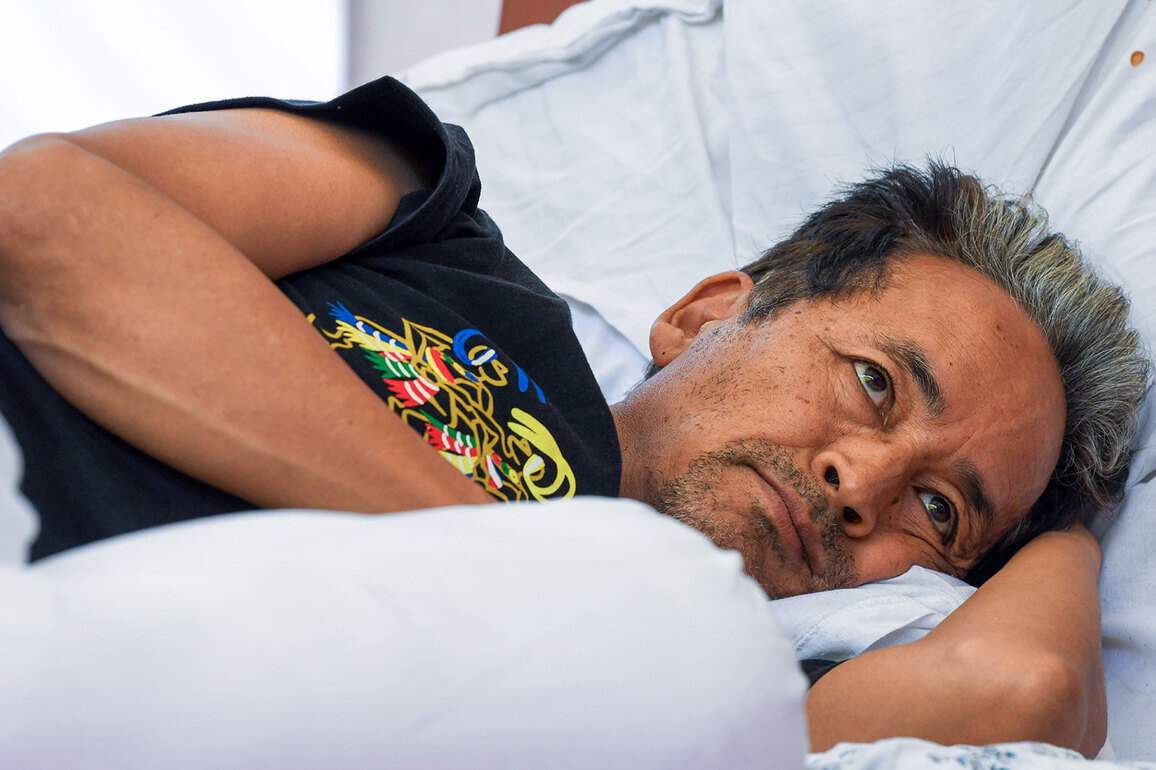
As tensions escalated, Wangchuk lay down on the hospital floor in protest while supporters documented the incident on their mobile phones. He encouraged those around him to continue recording, even after it appeared that someone attempted to stop the filming. His wife, Geetanjali Angmo, also participated in the exchange, voicing concern over the way the situation was being handled.
Throughout the confrontation, Wangchuk repeatedly referred to a Delhi High Court decision that had reportedly permitted his transfer to another medical facility. He argued that the court’s order was already widely available through digital platforms and questioned why officials continued preventing him from leaving despite public knowledge of the ruling.
Following the video’s widespread circulation, authorities explained that the incident occurred on July 21 at Safdarjung Hospital while officials were waiting to receive the High Court’s formal written order authorizing Wangchuk’s transfer to Medanta Hospital. According to officials, although information about the court’s decision had already appeared in the media, security personnel were required to wait for the official documentation before allowing the transfer to proceed.
Safdarjung Hospital also released a statement supporting that explanation. Hospital authorities said Wangchuk wanted to leave immediately after learning about the court’s decision through news reports, but administrative procedures required the hospital to receive the official written order first. Once the legal documents arrived later that evening, Wangchuk was transferred to the Medanta medical team without delay.
The confrontation forms part of a longer video in which Wangchuk explained the reasons behind ending his indefinite hunger strike. He said he agreed to conclude the fast only after receiving written assurances from the central government that peaceful protesters would not face legal action in connection with the nationwide student movement.
Wangchuk also alleged that his stay at Safdarjung Hospital was marked by strict restrictions that made him feel as though he was being treated like a prisoner. He claimed he was not allowed to move freely, meet visitors without limitations, or use personal electronic devices such as his mobile phone and laptop during his stay.
Responding to criticism over his negotiations with the government, Wangchuk clarified that his immediate objective had been to secure protection for peaceful protesters rather than insist on political demands, including the resignation of Union Education Minister Dharmendra Pradhan. He maintained that safeguarding demonstrators from legal consequences was the most urgent priority at that stage of the movement.
Rejecting accusations that he had reached a compromise with the government, Wangchuk argued that no one seeking a political deal would willingly endure a 26-day hunger strike under physically demanding conditions. He insisted that every decision he made was guided by the welfare of students and the broader campaign for education reforms.
The viral footage has intensified public discussion surrounding the handling of student protests and education reforms in India, while also placing renewed focus on Wangchuk’s role in the movement and the circumstances surrounding the conclusion of his hunger strike.
