
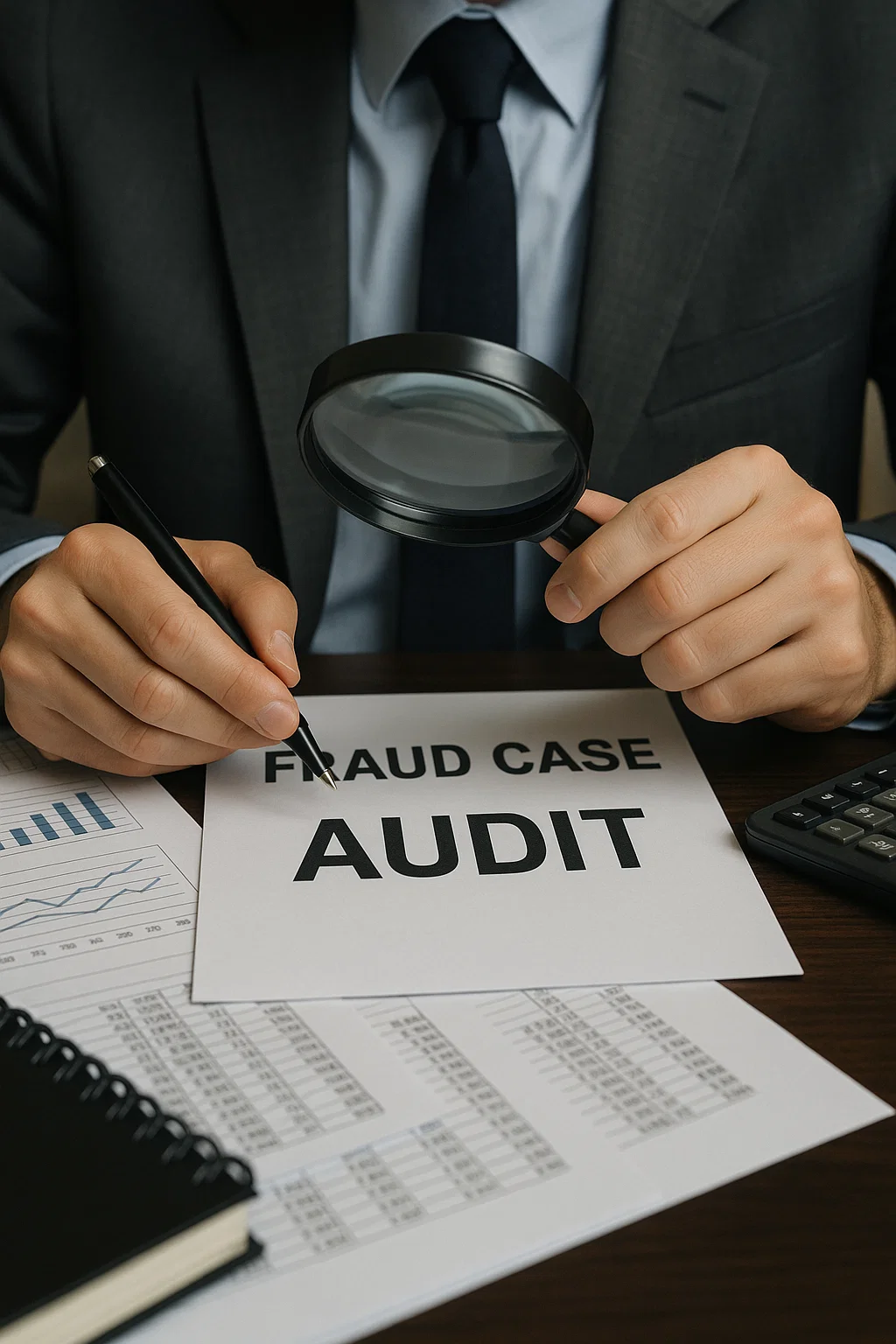
An audit of DevelopmentWA—initiated partly due to a high-profile fraud case involving a former public servant—has uncovered serious vulnerabilities to fraud within the state-owned property developer.
DevelopmentWA, one of Western Australia’s largest land and property developers, operates under government ownership, meaning any financial outcomes impact taxpayers directly. Auditor-General Caroline Spencer said the audit, which reviewed transactions from 2017 to 2022, aimed to identify any irregularities in land sales that might signal fraud, corruption, or misconduct.
Referencing Paul Whyte—the former housing authority head involved in WA’s largest known public sector fraud—Spencer explained that insider information had previously enabled individuals to profit from land deals ahead of government purchases. One such case resulted in a seller gaining $260,000. This prompted her office to investigate whether similar patterns existed within DevelopmentWA.
“We absolutely believe there could have been fraud during this timeframe,” Spencer said.
One troubling finding was a property valued at $800,000 being sold for just $385,000, without any documented justification. In another example, a land parcel four times the size of a neighboring lot sold for the same price, again with no explanation. Spencer’s office also found that half of the 1,100 properties sold under a regional stimulus program failed to comply with approved pricing methods.
The audit revealed major shortcomings in documentation and procedural compliance. Spencer likened the situation to a “Swiss cheese” model, where numerous small oversights create large vulnerabilities, allowing potential fraud to slip through unchecked.
She emphasized the need for strict governance, especially since DevelopmentWA operates in a market influenced by commercial interests seeking to buy low or sell high. Proper documentation and approved procedures are essential to protect the public interest, she said.
Another major concern was how conflicts of interest and the acceptance of gifts or benefits were handled. In 891 instances, incomplete records made it unclear how potential conflicts were managed or how they benefited DevelopmentWA.
Spencer acknowledged that recent leadership changes at the board level have started to shift the agency’s culture in a positive direction, but she stressed the importance of continuing this progress.
DevelopmentWA responded to the audit by affirming its commitment to evolving best practices and strengthening governance. The agency said its board and executive team would use the audit’s findings to reinforce decision-making and accountability.
The auditor-general’s report, Fraud Risks in Land Transactions by DevelopmentWA, was tabled in Parliament on Wednesday. Spencer noted that her office would maintain ongoing oversight to ensure proper management of state-owned land and continued public trust.
