


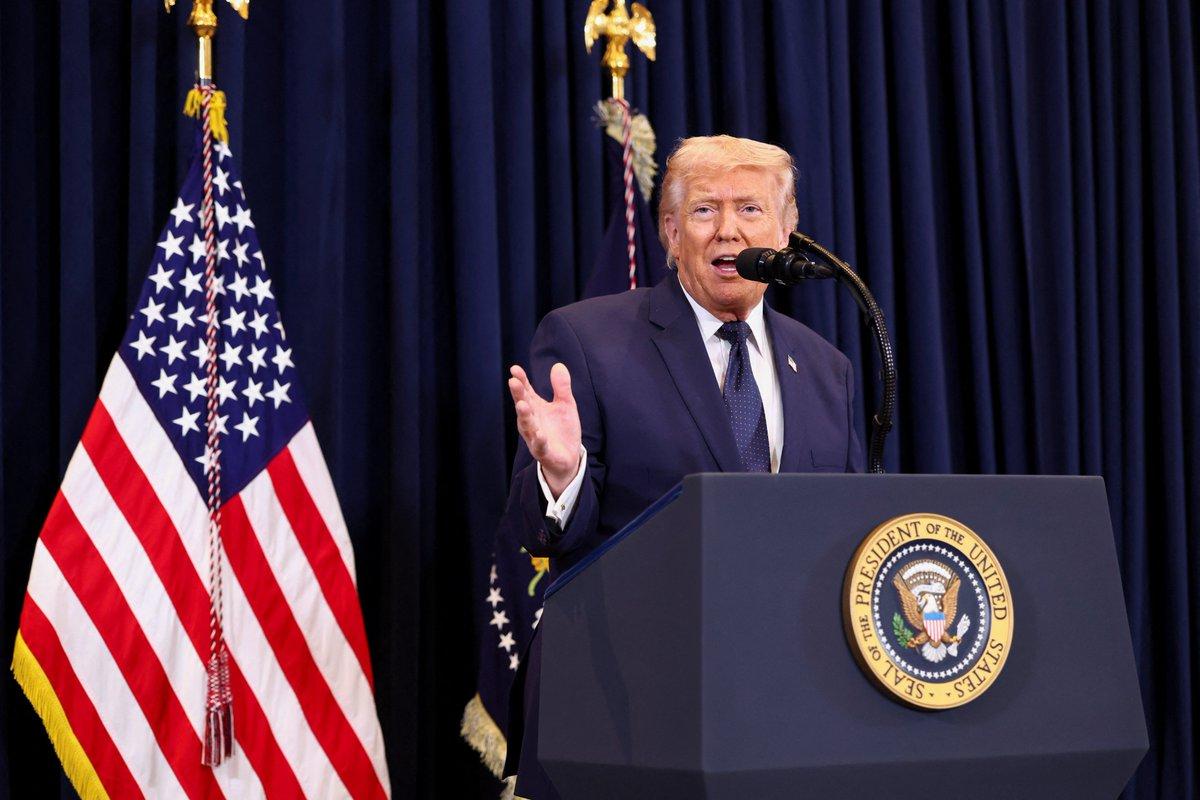
Former U.S. President Donald Trump has pledged “massive punishment” for Iran, intensifying rhetoric as global oil prices climbed above US $100 per barrel amid escalating tensions in the Middle East. The price surge reflects concerns about supply disruptions and geopolitical risk as regional hostilities impact crude markets.
Trump’s comments come after a spate of attacks on oil infrastructure and shipping routes in the Persian Gulf, attributed by U.S. and allied sources to Iranian‑aligned militias. Washington has blamed Tehran for destabilizing actions that threaten global energy flows and international security.
In a statement broadcast from a political event, Trump said the U.S. would respond decisively if Iran continued to target American forces or interests in the region, using language emphasizing strong military and economic consequences. Analysts say such rhetoric can heighten market anxiety, contributing to sharp moves in oil and currency markets.
Oil traders reacted to the geopolitical strain by pushing benchmarks above the psychologically significant US $100 per barrel mark, a level not seen consistently in recent years. Elevated crude prices have the potential to feed through into broader inflationary pressures and affect consumer fuel costs, particularly in energy‑importing nations.
The Middle East remains a crucial hub for global oil production, and any threat to its stability — from hostile acts to military escalations — typically reverberates through commodity markets. Some analysts warn that if conflict intensifies further, additional price spikes could follow.
Economists also highlight the economic trade‑offs facing governments: while higher oil prices can benefit producers and exporting states, they can dampen growth and push up costs for households and businesses in countries reliant on imported energy supplies.
Trump’s renewed focus on Iran comes as part of a broader campaign narrative about U.S. strength and deterrence, with advisers framing a hard‑line stance as key to preventing further aggression. The approach is likely to draw both support and criticism within domestic and international policy circles.
Markets will be closely watching developments in the region and any concrete policy actions that follow Trump’s remarks, particularly as energy prices weigh on global economic forecasts.
