


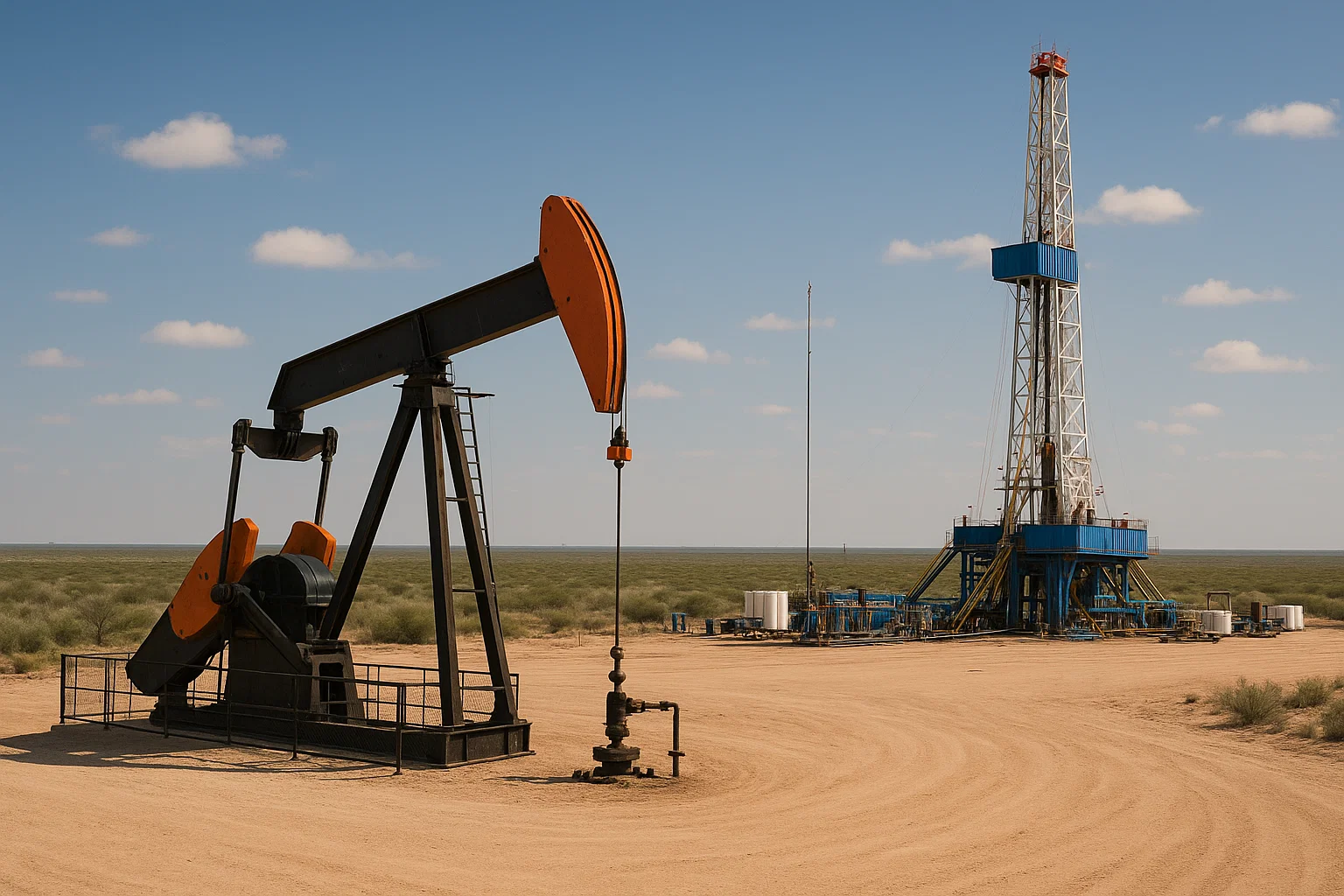
While oil prices initially spiked following recent tensions, economists warn that any significant supply disruption from the Middle East could drive energy prices sharply higher.
Goldman Sachs predicts that if shipping through the Strait of Hormuz is disrupted, Brent crude could climb above $100 per barrel—its highest price since August 2022 and nearly 30% higher than its current level of around $77 per barrel. This would increase transportation costs, fuel inflation, and potentially slow global economic growth.
Potential Scenarios Outlined
According to Bloomberg, Goldman analysts led by Daan Struyven estimate that if oil flows through the Strait of Hormuz were cut by 50% for one month and remained 10% lower for an additional 11 months, Brent could briefly peak at $110 a barrel. If Iranian oil production were to drop by 1.75 million barrels a day, prices might hit $90.
However, Goldman Sachs’ base case assumes that physical disruptions to Iranian oil supplies and regional shipping routes are avoided, in which case Brent could fall to $60 per barrel by year’s end.
As reported, Iran’s parliament has voted to shut down the critical Hormuz channel in response to recent US military action, heightening fears of a supply crunch. The Strait of Hormuz handles about one-fifth of global oil shipments.
Despite these risks, Goldman Sachs argues that major global powers—including the US and China—have strong economic reasons to prevent a sustained disruption of oil shipments through the strait, stating:
“The economic incentives, including for the US and China, to try to prevent a sustained and very large disruption of the Strait of Hormuz would be strong.”
Implications for the UK Economy
Professor Costas Milas of Liverpool University notes that geopolitical risk is rising following Trump’s direct involvement in the Israel-Iran conflict. This may keep oil prices higher than previously expected.
On the positive side, Milas observes that the UK economy has become more resilient to the negative effects of inflation and geopolitical uncertainty. However, rising oil prices are still expected to fuel inflation for up to four quarters, with the impact on UK GDP growth appearing after two to three quarters.
The Bank of England will face difficult policy decisions as it weighs the inflationary pressures against potential slowdowns in economic growth. If the drag on GDP proves more severe, the Bank may move to cut interest rates as early as August—or even sooner through an emergency meeting in July.
