


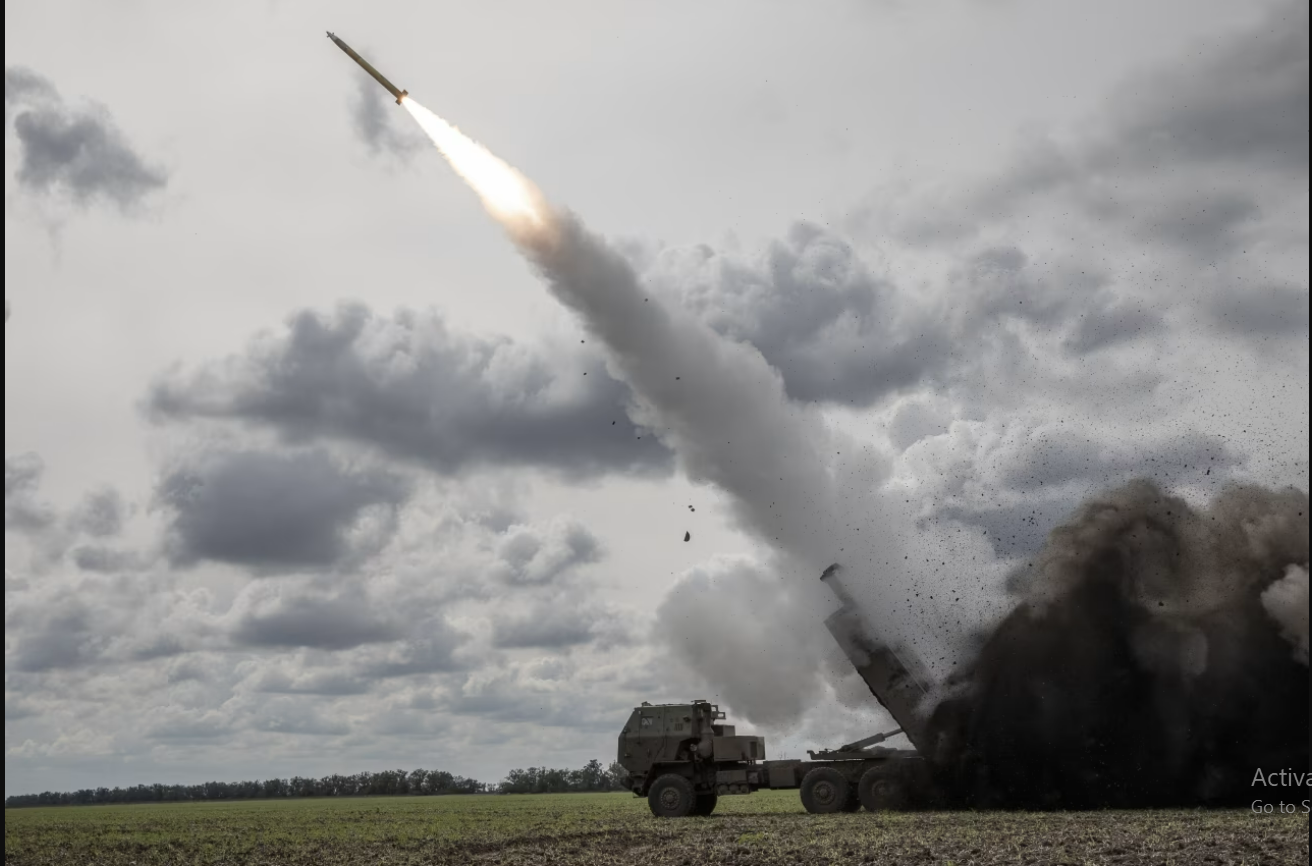
Iran’s deadly attack on a United States military installation in Jordan has highlighted Tehran’s continuing ability to strike American forces with increasingly accurate missiles and drones, despite months of sustained US and Israeli air attacks.
Three US soldiers were killed in the latest strike, marking the first American military deaths directly attributed to an Iranian attack on a US base since the opening stage of the conflict in March.
The incident has raised fresh questions about repeated claims from Washington that Iran’s military capacity had been largely destroyed or rendered ineffective.
Analysts say the attack demonstrates that Iran has retained a substantial portion of its missile and drone arsenal and has adapted its tactics as the war has continued.
Although Iranian forces have suffered serious damage, military experts argue that Tehran has been able to rebuild, disperse weapons and improve the accuracy of its attacks more quickly than many US officials expected.
Jennifer Kavanagh, director of military analysis at the Defense Priorities think tank, said Iran’s forces remained capable of conducting damaging operations.
She argued that Tehran was learning from previous attacks and possibly benefiting from intelligence support provided by friendly powers such as Russia and China.
According to Kavanagh, Iran’s military may have been weakened, but it is far from incapable of sustaining combat operations.
The vulnerability of American forces is partly linked to the location and design of US military installations across the Middle East.
Approximately 50,000 American troops are stationed at bases and facilities across the Gulf and surrounding region, many of them within range of Iranian ballistic missiles, cruise missiles and armed drones.
Andreas Krieg, a security specialist at King’s College London, said many of those bases were built primarily to defend against rockets, mortars and improvised explosive devices.
They were not necessarily designed to withstand repeated attacks by precision-guided ballistic missiles carrying large warheads.
Even when missiles do not directly strike accommodation blocks or operational centres, blast pressure can cause traumatic brain injuries.
Falling debris from intercepted weapons can also injure personnel and damage aircraft, radar systems, buildings and other equipment.
The official US military death toll from the war has reportedly reached 18.
Seven soldiers were killed during Iranian attacks on facilities in Kuwait and Saudi Arabia in early March.
Other fatalities included six airmen who died in an accidental refuelling crash and a US Army sergeant killed during the controlled destruction of a downed armed drone in Iraq.
Around 500 American military personnel have reportedly been wounded since the conflict began.
Following the collapse of a ceasefire on July 8, approximately 220 US military structures, vehicles, systems or major pieces of equipment were reported damaged or destroyed.
Iran has increasingly relied on large and complex waves of missiles and drones designed to overwhelm American air defences.
US forces use systems including Patriot surface-to-air batteries and the Terminal High Altitude Area Defense system, commonly known as THAAD, to intercept incoming ballistic missiles.
However, Iran can launch different types of weapons simultaneously, including ballistic missiles, cruise missiles and drones travelling at varying speeds and along different flight paths.
The use of decoys and launch sites spread across wide areas can make interception more difficult.
Even when most incoming weapons are destroyed, a small number that penetrate the defensive shield can cause significant casualties and operational damage.
Analysts say the latest attacks suggest Iran is showing a stronger determination to strike US military targets than it did during earlier phases of the war.
Mona Yacoubian, director of the Middle East programme at the Center for Strategic and International Studies, said the intensity of the recent attacks appeared to represent a change in Tehran’s approach.
The rising damage may reflect improved Iranian accuracy, weakening US radar and defensive systems or the statistical effect of launching a much larger number of weapons.
It may also result from a combination of all three factors.
The United States and Iran have exchanged strikes for 11 consecutive days during the latest escalation.
Iran’s military said it had targeted US F-15 fighter aircraft, drone preparation areas and helicopter storage facilities at bases in Jordan.
Bahrain’s military also reported intercepting several Iranian aerial attacks.
US forces, meanwhile, have continued striking Iranian military infrastructure, particularly near the Strait of Hormuz.
US Central Command said its targets included military command centres, aircraft hangars, maritime facilities, drone storage sites and logistics infrastructure.
The continuing Iranian attacks have increased political pressure on the Trump administration to explain earlier assessments of Tehran’s military strength.
During a Senate hearing, lawmakers questioned Defense Secretary Pete Hegseth over his previous claims that Iran’s armed forces had been destroyed and made combat ineffective.
Hegseth defended the US campaign as a major military success and said Iran’s navy, air force and defence industry had been severely weakened.
However, he acknowledged that Washington never expected Iran to lose every ability to launch missiles and drones.
The central question, he argued, was whether Iran could operate at a meaningful scale against a military as powerful as that of the United States.
Former Pentagon official Jason Campbell said recent strikes indicated that Iran still possessed important missile and drone capabilities.
He suggested that Tehran might also be using larger and more sophisticated ballistic missiles that it had deliberately held back during earlier stages of the war.
Such weapons may be more accurate, carry heavier payloads and have a greater ability to evade missile defence systems.
Campbell said US officials had repeatedly overstated the extent to which Iran’s military had been degraded.
He argued that Washington had often focused on parts of Iran’s armed forces that were less important to Tehran’s central objective of imposing costs on US forces throughout the region.
Military analysts also point to the financial imbalance between Iranian weapons and the systems required to stop them.
Iranian drones and some missile types can be produced and launched at a fraction of the cost of advanced US interceptor missiles.
This allows Tehran to conduct repeated attacks while forcing Washington to spend far greater sums defending its bases and personnel.
Patrick Bury, a security scholar at the University of Bath and former NATO analyst, said this imbalance allowed Iran to inflict strategic damage even though the United States remained vastly superior in conventional military power.
Iran does not need to defeat the US armed forces in a traditional battlefield confrontation.
Instead, Tehran can aim to penetrate American defences often enough to cause casualties, damage infrastructure, disrupt operations and increase political pressure on Washington.
The deaths in Jordan have therefore become significant beyond the immediate loss of life.
They demonstrate that Iran can still impose a human and operational cost on the US presence in the Middle East.
The incident also suggests that the longer the conflict continues, the more opportunities Iran may have to refine its tactics and exploit vulnerabilities in regional defence networks.
Despite extensive US and Israeli air operations, Tehran appears capable of sustaining an asymmetric campaign based on missiles, drones, deception and lower-cost weapons.
The attack has strengthened concerns that the war could become a prolonged and expensive confrontation in which neither side can easily eliminate the other’s ability to strike.
