


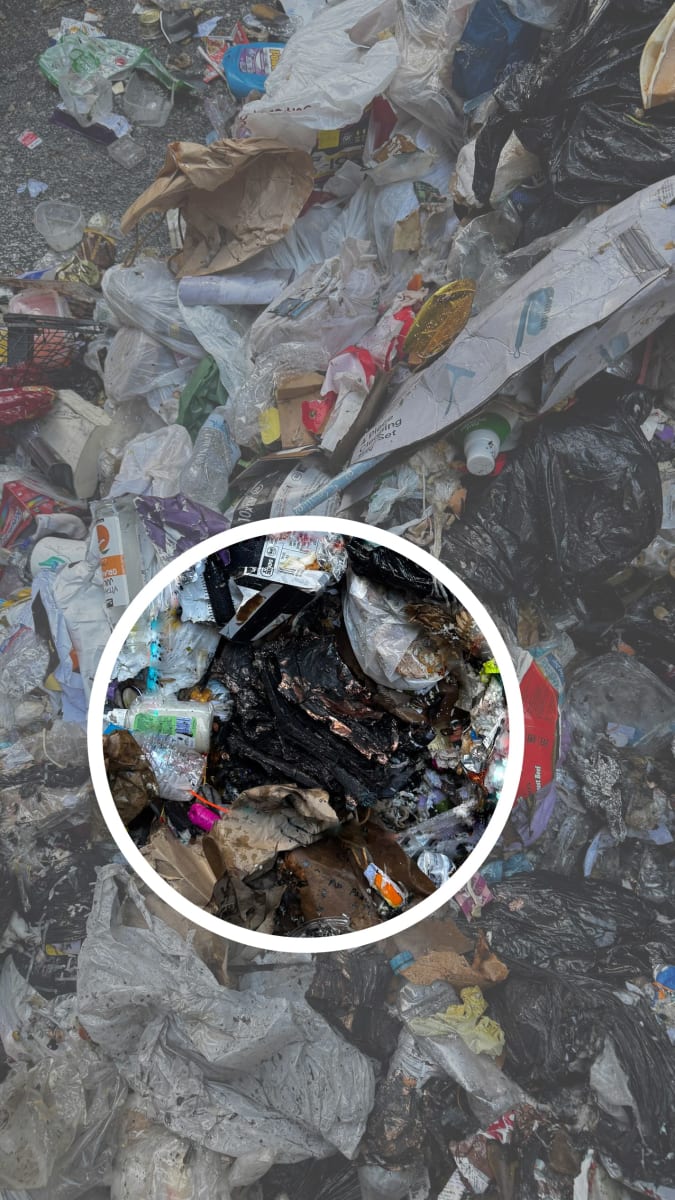
Fire authorities in New South Wales have renewed warnings about the dangers of disposing of lithium-ion batteries in household rubbish after a discarded e-bike battery allegedly triggered a fire inside a garbage truck in Sydney’s inner east.
The incident occurred in Surry Hills at about 8.40am while the garbage truck was travelling along Wemyss Lane.
Firefighters from the City of Sydney Fire Station were called after smoke was seen coming from the vehicle. Because of the intensity of the fire, crews instructed the driver to unload the burning rubbish onto the road so they could safely contain the blaze.
After extinguishing the fire, firefighters found an e-bike battery among the waste.
Authorities believe the battery had been thrown into general household rubbish before being collected by the truck.
No injuries were reported.
Third Garbage Truck Fire in Six Days
The Surry Hills incident is part of a worrying series of recent garbage truck fires across New South Wales.
At least three such fires have been reported in the state within the past six days.
On Friday, a garbage truck caught fire on the M5 Motorway near Milperra, causing significant traffic disruption. The intensity of that blaze made it difficult for investigators to determine the exact cause.
Earlier in the week, firefighters were also called to another garbage truck fire in Kirribilli.
Fire and Rescue NSW says there have already been 40 garbage truck fires across the state this year, with many linked to lithium-ion batteries discarded in household waste.
In 2025, authorities recorded 62 garbage truck fires across NSW.
Why Lithium-Ion Batteries Are Dangerous in Rubbish Trucks
Fire officials say lithium-ion batteries can become extremely dangerous when placed in ordinary rubbish bins.
Inside garbage trucks, waste is compressed to create more space. If a battery is crushed, punctured or otherwise damaged during this process, it can trigger a hazardous reaction known as thermal runaway.
During thermal runaway, a damaged lithium-ion battery can rapidly generate intense heat.
That heat can ignite nearby rubbish and allow flames to spread quickly through the truck’s load.
Once a lithium-ion battery catches fire, it can also be difficult to extinguish because the battery can continue producing heat and other elements that support combustion.
Authorities Urge Residents Never to Bin Batteries
Fire and Rescue NSW and the NSW Environment Protection Authority are urging residents not to place batteries in regular household rubbish or recycling bins.
Instead, used or damaged batteries should be taken to approved battery collection points, many of which accept them free of charge.
The warning forms part of the “Never Bin A Battery” public safety campaign aimed at reducing fires in garbage trucks, waste facilities and landfill sites.
FRNSW Acting Assistant Commissioner Greg Rankin said batteries should always be disposed of through approved collection services.
He warned that placing batteries in household rubbish can put garbage truck drivers, waste workers and members of the public at risk.
Everyday Devices Can Create the Same Risk
Authorities say the danger is not limited to large e-bike batteries.
Lithium-ion batteries are commonly found in everyday consumer products including mobile phones, laptops, tablets, cordless vacuum cleaners, electric toothbrushes and vaping devices.
If batteries from any of these products are thrown into household rubbish, they can be crushed inside waste collection vehicles and potentially start a fire.
Even relatively small batteries can create dangerous conditions if damaged.
EPA Warns a Small Spark Can Cause Major Fire
NSW EPA director Sam Lewis said throwing a battery into a household bin may appear harmless, but the consequences can be serious.
A single damaged battery can create enough heat or a small spark to ignite surrounding waste and cause a major garbage truck fire.
Authorities say the risk also continues after rubbish leaves the truck.
Damaged batteries can cause fires at recycling centres, transfer stations and landfill facilities, potentially placing workers and emergency crews in danger.
Safe Disposal Can Prevent Fires
Residents are being urged to separate all used and damaged batteries from ordinary waste and take them to dedicated battery recycling or collection locations.
Fire authorities say this simple step can significantly reduce the risk of garbage truck fires and other dangerous incidents throughout the waste-management system.
The latest Surry Hills fire is another reminder that lithium-ion batteries should never be treated as ordinary rubbish.
With battery-powered devices becoming increasingly common, authorities say safe disposal is becoming an essential part of preventing fires and protecting waste workers, emergency crews and the wider community.
