


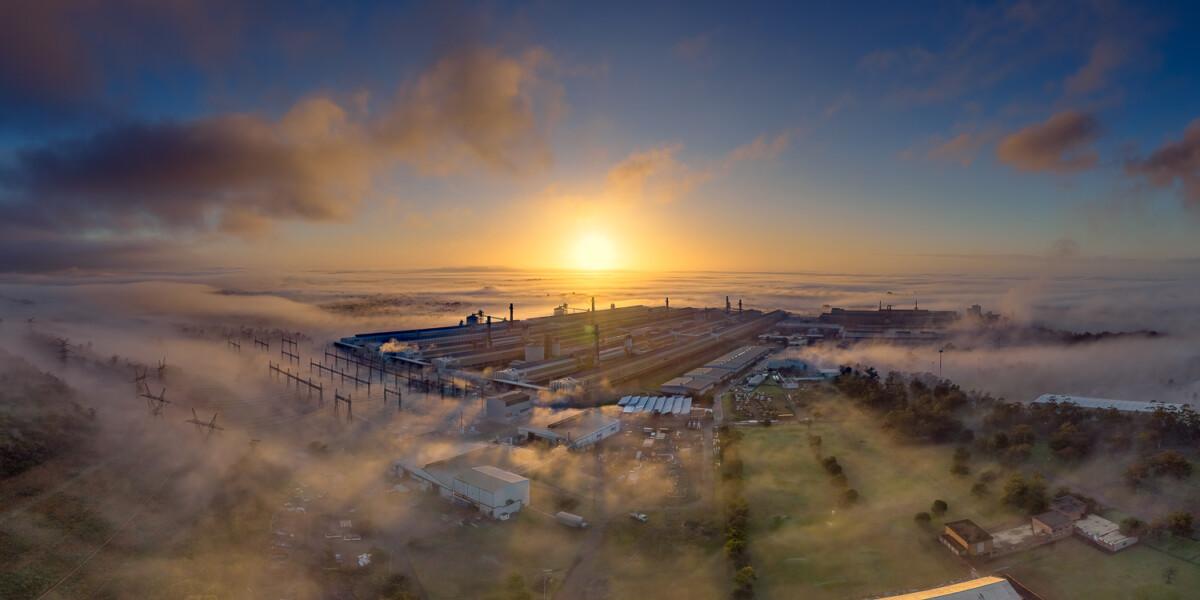
Prime Minister Anthony Albanese has stepped directly into negotiations to finalise a deal aimed at securing the future of Tomago Aluminium, Australia’s largest aluminium smelter, as rising energy costs threaten the facility’s long-term viability.
The Prime Minister has been negotiating with NSW Premier Chris Minns over the final details of a support package, including how much financial support each government will provide to help secure affordable electricity supply for the Hunter Valley facility.
Tomago Aluminium has warned that its future beyond 2028 depends on securing a competitive long-term energy agreement. The smelter is one of Australia’s largest electricity users and employs more than 1,000 workers, making its survival a major issue for regional manufacturing and supply chains.
The proposed solution involves a long-term power purchasing arrangement designed to provide more stable electricity prices while supporting investment in renewable energy, storage and transmission infrastructure. The federal government has argued that protecting Tomago is important for Australia’s industrial capability and future low-emissions manufacturing sector.
However, negotiations have faced challenges over funding responsibilities. NSW has indicated it remains committed to supporting the smelter but has sought clarity on the scale of its financial contribution.
The government’s intervention reflects broader concerns about Australia’s manufacturing competitiveness, with energy costs becoming a major challenge for industries that rely heavily on electricity. Supporters of the deal argue that keeping Tomago operating protects skilled jobs and strengthens domestic manufacturing capacity.
Critics, however, have questioned whether taxpayer support for large industrial companies creates long-term risks and whether future energy policy can deliver sustainable cost reductions without ongoing government assistance.
The final agreement is expected to be closely watched as a test of Australia’s approach to protecting strategic industries while transitioning towards cleaner energy.
