


Federal minister Ed Husic has launched a blistering attack on his own party’s handling of the Gaza crisis, saying that if his strong criticism of the government’s position costs him politically, “they can put me in a freezer.”
Husic, a senior member of Labor, expressed deep frustration over what he described as insufficient government action and leadership regarding the ongoing conflict in Gaza. His remarks signal discontent within the party ranks as international tensions continue to resonate with Australian voters.
In interviews, Husic emphasised his belief that the government should take a clearer and more decisive stance on humanitarian issues affecting civilians in the Middle East, and warned that failing to do so risks alienating key segments of the community. While stressing his loyalty to Labor overall, he made it clear he is prepared to speak out even if it carries political risk.
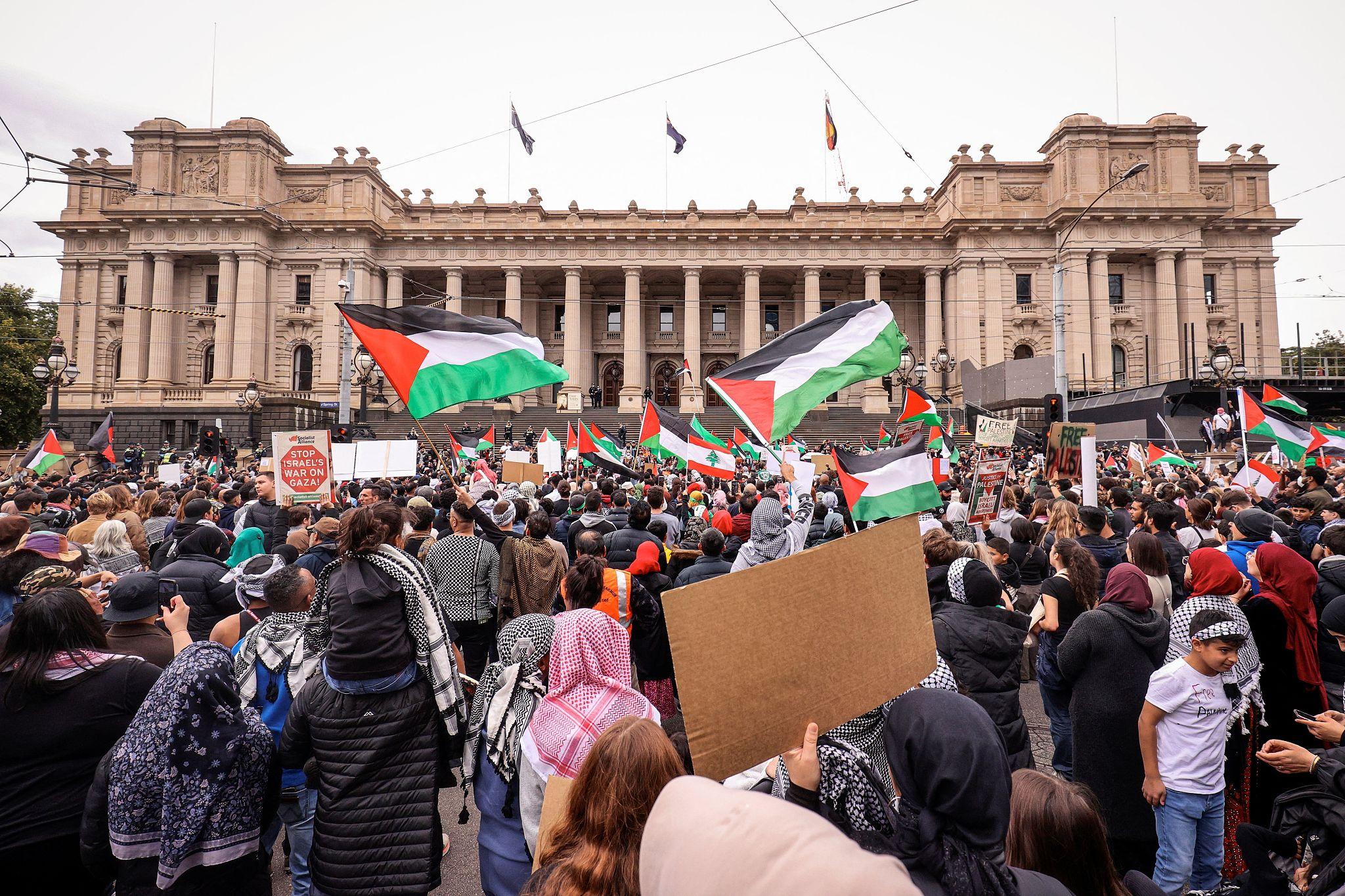
The minister’s comments come at a time when public debate about the war in Gaza has intensified in Australia, with grassroots campaigns, protests and discussion across political lines. Many Australians are pushing for stronger diplomatic responses and humanitarian support for affected populations.
Husic’s stance has drawn mixed reactions. Supporters praise his willingness to speak candidly on a sensitive issue, while critics within political circles warn that discord within party ranks could weaken Labor’s broader messaging and strategic cohesion.
Opposition figures have seized on the remarks to portray Labor as internally divided over foreign policy, suggesting that such public disagreements undermine voter confidence in the government’s ability to handle international crises effectively.
In response, some Labor MPs have tried to downplay the controversy, emphasising party unity while acknowledging that members hold diverse views on foreign affairs and humanitarian concerns.
As the debate around Gaza continues to shape political discourse in Australia, Husic’s outspoken position highlights the challenges governments face when balancing foreign policy imperatives with domestic political sensitivities.
