

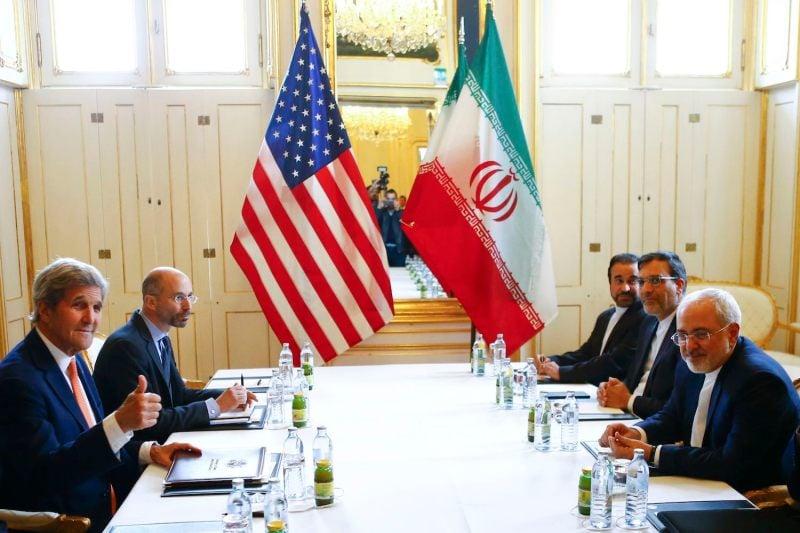
Iran is considering a potential arrangement over the Strait of Hormuz as negotiations with the United States continue, but major disagreements remain over the conditions needed to restore normal shipping through the crucial global energy route.
Iran and Oman have reportedly reached agreement on the coordinates of routes that vessels could use through the Strait of Hormuz, marking a possible step towards easing the disruption affecting one of the world’s most important maritime passages. However, Tehran has indicated that the arrangement alone may not be enough to fully reopen the waterway.
Iranian officials have demanded broader commitments from Washington, including changes to US policies, before allowing a full return to unrestricted shipping. Tehran has argued that security guarantees and political conditions must be addressed as part of any final agreement.
The Strait of Hormuz is a critical route for global oil and gas shipments, meaning prolonged uncertainty has increased concerns among energy markets, shipping companies and governments worldwide. Any disruption to traffic through the waterway could influence fuel prices, inflation and global trade conditions.
Diplomatic efforts have been supported by Oman, which has played a key mediation role between Iran and the United States. While officials have suggested progress is possible, unresolved issues surrounding sanctions, military activity and control of shipping routes continue to complicate negotiations.
The situation remains closely watched by international investors, particularly energy traders, as markets assess whether a diplomatic breakthrough could reduce geopolitical risk or whether further tensions could threaten shipping stability in the Gulf region.
