


Iranian Australians opposed to Iran’s authoritarian regime have expressed a mix of anxiety and relief following Israeli airstrikes on Iran last week, which killed high-ranking military officials and nuclear scientists.
On Friday, dozens of Israeli fighter jets targeted Iranian military and nuclear research facilities, resulting in the deaths of three senior commanders and two scientists linked to Iran’s controversial nuclear program. In the days since, both nations have exchanged further strikes, with reports of civilian casualties in both countries.
Nos Hosseini, based in Melbourne and a spokesperson for the Iranian Women’s Association, said she was deeply concerned about her family and friends in Tehran and areas near oil refineries that have been struck.
“My family told me they heard explosions, and their windows were shaking,” she said. “They were very frightened and caught off guard.”
Despite the ongoing danger, Ms Hosseini said she has observed a sense of relief among some in the Iranian community, both in personal conversations and online, in response to the deaths of Islamic Revolutionary Guard Corps (IRGC) figures known for human rights violations.
“These attacks killed people responsible for atrocities — that’s something many are celebrating,” she said.
Iranians Reflect on Pain and Hope
Iran’s regime is known for violently suppressing dissent, with a history of detaining and killing critics. Protests have erupted in recent years, notably after the 2022 death of Mahsa Amini, a young woman arrested by the morality police, but the regime remains in control.
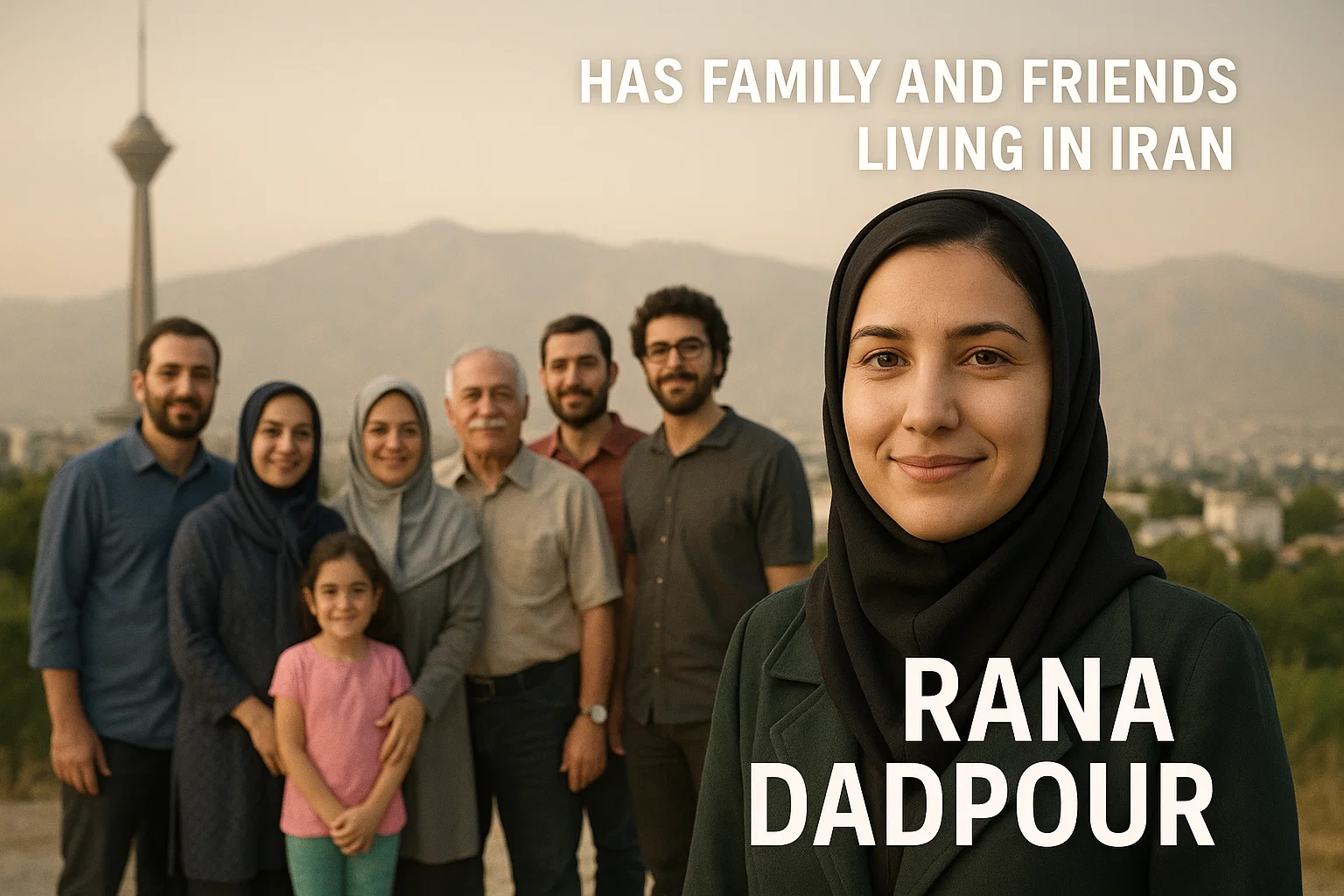
Rana Dadpour, an Iranian-born academic and founder of advocacy group AUSIRAN, said many people share conflicting emotions — both relief and fear.
“It’s a confusing situation,” said Ms Dadpour, a lecturer at James Cook University. “On one hand, you feel relief that those responsible for killing your loved ones are being held accountable. On the other, there’s anxiety about how the regime might respond.”
Ms Dadpour moved to Australia in 2012 and hasn’t returned to Iran since 2016 due to fears for her safety. She recounted being interrogated by Iranian authorities on a previous visit, and said her friends and family have been subjected to harassment, imprisonment, and violence.
“Life in Iran is nothing like life in Australia,” she said.
Uncertainty and Hope for Change
Siamak Ghahreman, president of the Australian Iranian Community Organisation in Sydney, said people he knows in Iran don’t support the regime and have found some reassurance that the attacks seemed targeted.
“It’s paradoxical — in any normal country, foreign attacks would be condemned. But in this case, they were directed at those in power, not civilians,” he said. Still, he warned that fears of a broader war remain strong, and innocent people could ultimately pay the price.
Ms Hosseini expressed hope that recent developments might motivate Iranians to rise up again, now that some of the regime’s leadership has been weakened.
“We don’t want more bloodshed, but this could be a chance for the people to reclaim their country,” she said.
Ms Dadpour echoed that sentiment, adding that while it’s still too early to predict outcomes, she hopes the current government in Iran will eventually fall.
“My hope is that Iran will see democracy and freedom — and that people will finally be able to live normal lives,” she said.
