


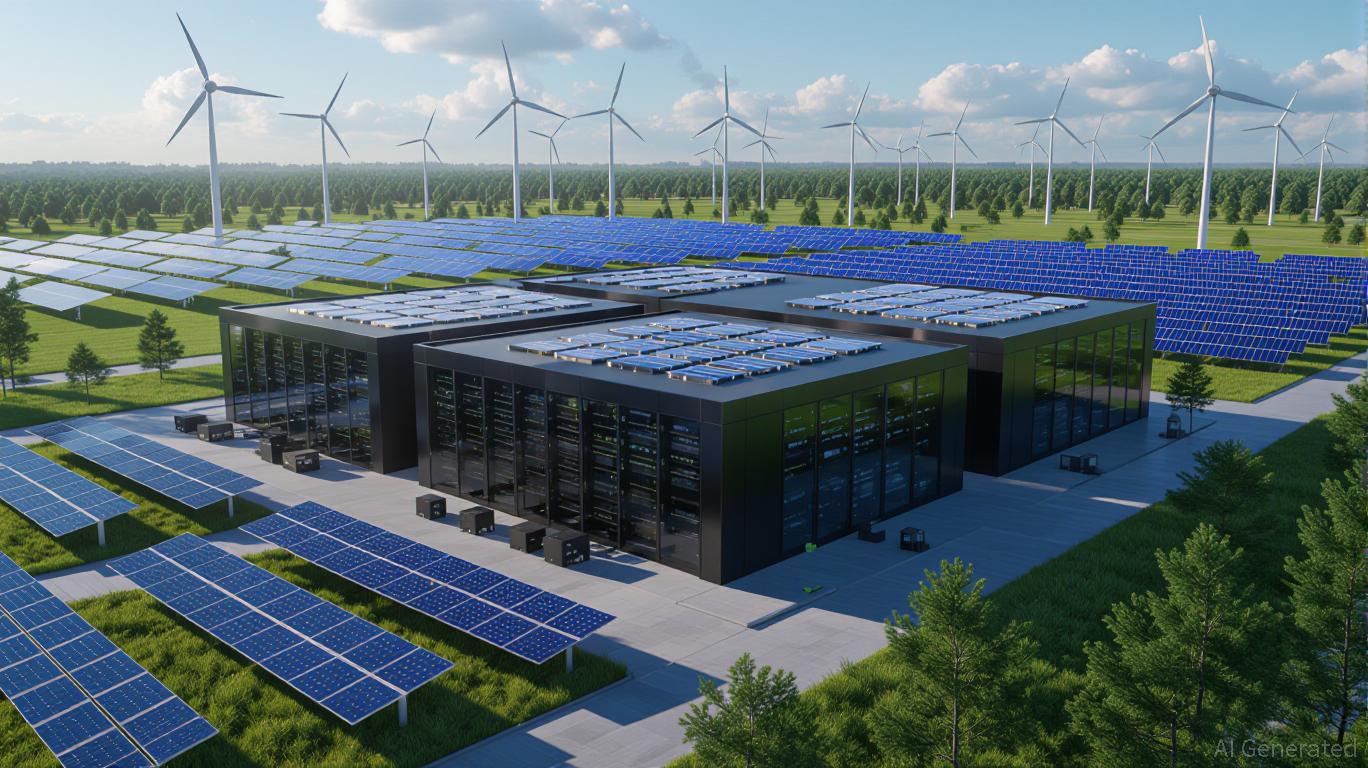
New standards for artificial intelligence infrastructure are expected to give investors greater confidence in the future of clean energy projects, as governments and businesses respond to the rapidly growing electricity demands created by AI technology.
The expansion of AI systems and large-scale data centres has created a surge in demand for computing power, but it has also raised concerns about energy consumption and pressure on electricity grids. The new framework aims to provide clearer expectations around how AI companies manage their energy needs and support renewable power development.
Under the proposed approach, major data centre operators would be expected to contribute to the clean energy capacity required to support their operations, helping reduce pressure on existing power networks and creating new opportunities for renewable energy investment.
Energy and technology investors say greater regulatory certainty could accelerate funding decisions by reducing uncertainty around future power availability, sustainability requirements and infrastructure planning.
The rapid growth of AI has created a new investment race for renewable energy, battery storage and grid upgrades. Industry leaders argue that Australia has an opportunity to attract significant technology investment if it can successfully match AI expansion with reliable clean power supplies.
However, some businesses have warned that strict requirements must be balanced with practical timelines. Building renewable energy projects and expanding grid infrastructure can take longer than constructing data centres, creating challenges for companies seeking to scale AI operations quickly.
Supporters of the standards say the policy could create a stronger link between the digital economy and the clean energy transition, ensuring the AI boom delivers wider economic benefits while limiting additional pressure on households and businesses.
The debate highlights a growing global trend: the future of artificial intelligence will depend not only on chips and software, but also on access to affordable, reliable and sustainable energy.
