


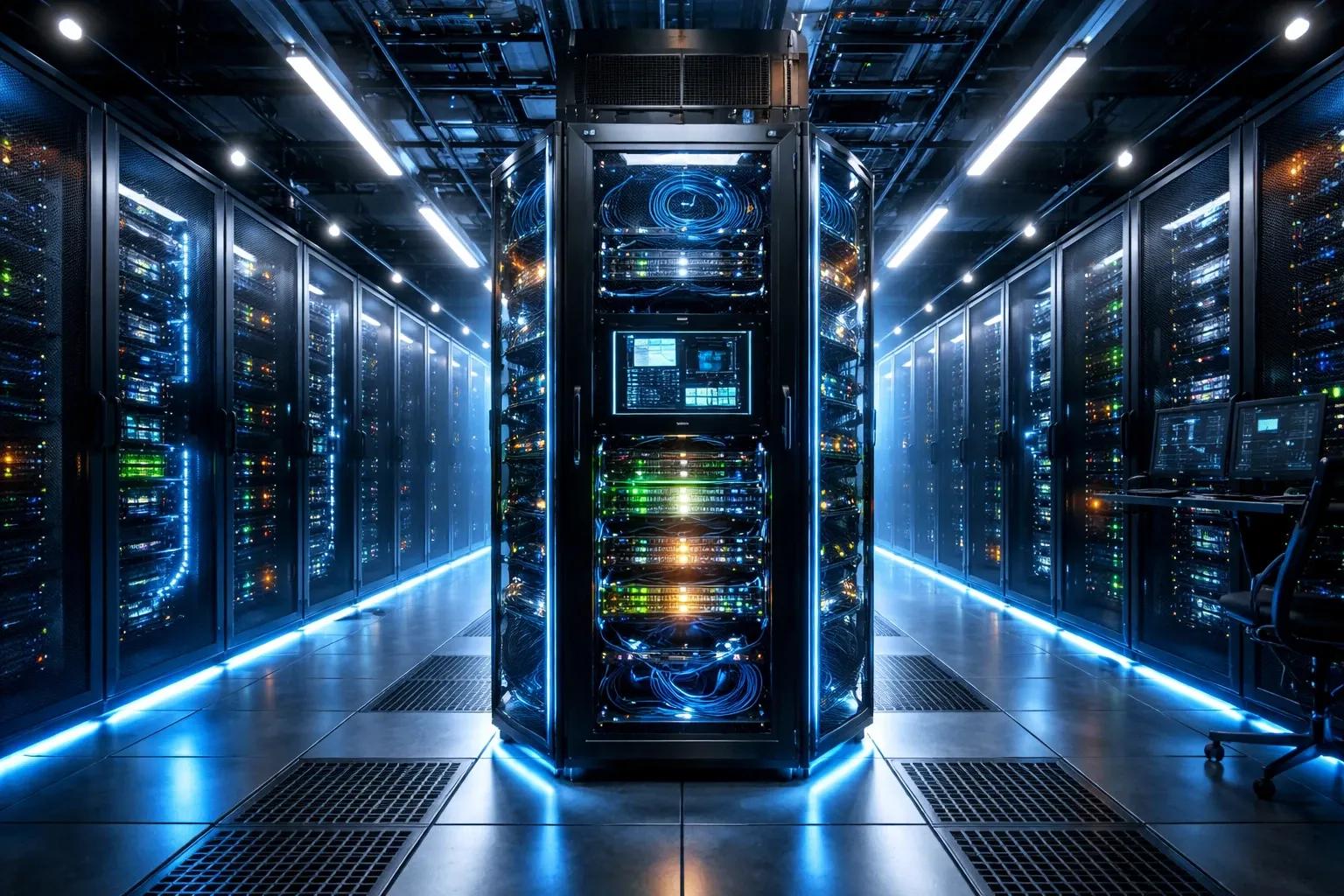
The rapid increase in the cost of AI tokens — the computing units used by artificial intelligence systems to process information — could reshape the future of work and potentially help protect some jobs, according to technology and workplace experts.
As businesses increasingly adopt AI tools, the demand for computing power has surged, pushing up the cost of running advanced AI models. While many companies initially viewed AI as a way to automate tasks and reduce labour expenses, the growing expense of large-scale AI usage could change how organisations balance automation and human expertise.
Experts suggest that expensive AI infrastructure may prevent companies from replacing workers as quickly as some predicted. Instead, businesses could increasingly use AI as a productivity tool that enhances human decision-making, creativity and efficiency rather than completely removing roles.
The shift could lead to a new workplace model where employees who understand how to use AI effectively become more valuable. Workers with industry knowledge, problem-solving skills and the ability to manage AI systems may gain a competitive advantage as companies look for ways to maximise returns on their technology investments.
However, the rising cost of AI also presents challenges. Smaller businesses may struggle to afford advanced AI services, potentially widening the gap between large corporations with significant technology budgets and smaller employers.
Technology leaders argue that the future of AI adoption will depend on finding the right balance between automation and human capability. Rather than replacing every role, AI may increasingly handle repetitive tasks while allowing people to focus on complex work requiring judgement, relationships and innovation.
The debate highlights a broader transformation in the workplace, where the economics of AI — including computing costs, energy demand and infrastructure investment — could play a major role in determining how quickly automation changes employment patterns.
