
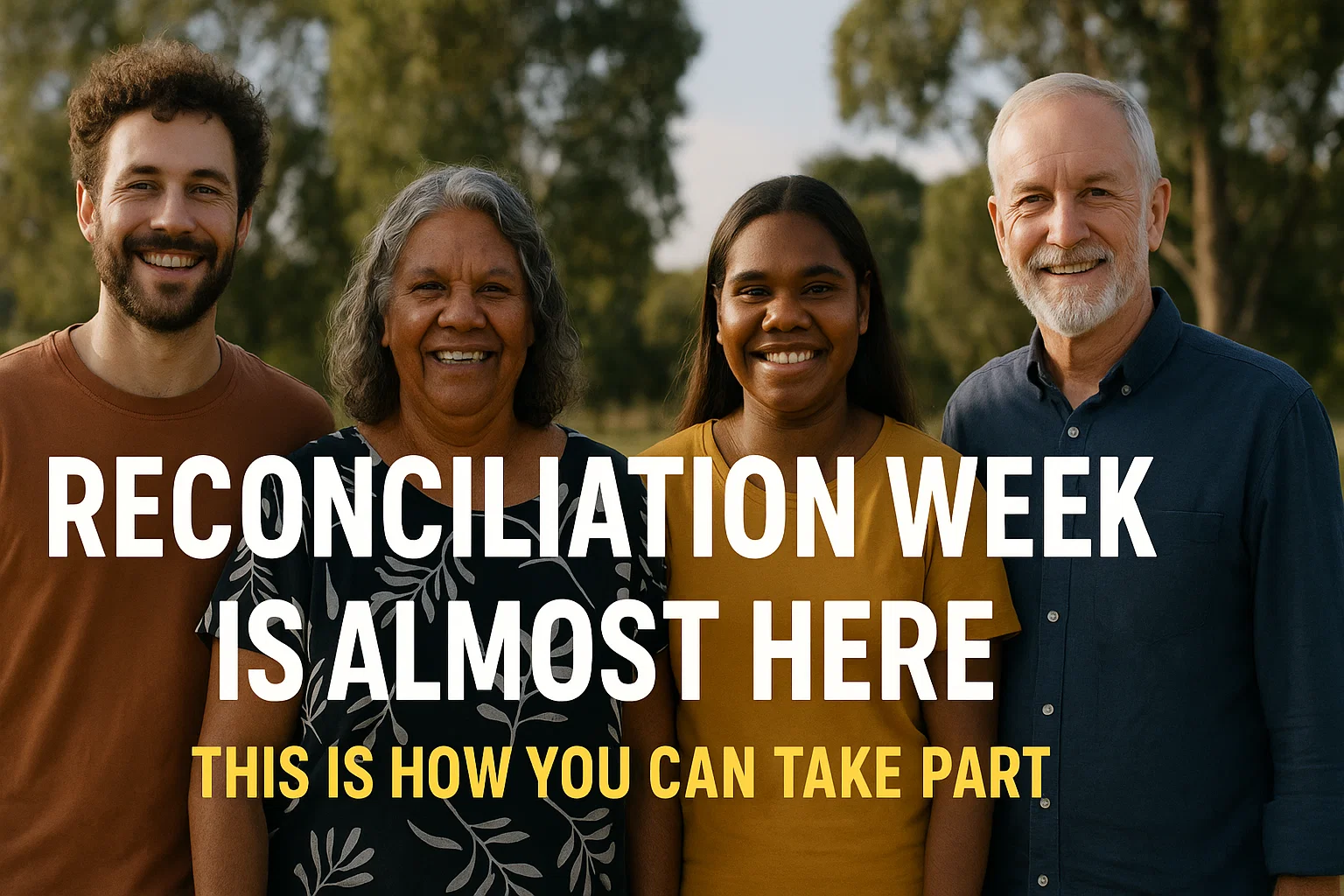
National Reconciliation Week takes place each year from May 27 to June 3, offering Australians a dedicated opportunity to reflect on and strengthen relationships between Aboriginal and Torres Strait Islander peoples and non-Indigenous Australians.
“Reconciliation is everyone’s responsibility, every day,” says Karen Mundine, a Bundjalung woman and CEO of Reconciliation Australia. “But Reconciliation Week is a unique time for all Australians to get involved.”
What Is This Year’s Theme?
The theme for 2025 is “Bridging Now to Next”, urging Australians to look to the future while learning from the past, and to continue building a more united and respectful country.
Reconciliation Australia defines reconciliation as an effort to build respectful relationships and foster understanding between First Nations and non-Indigenous people.
Understanding the Week’s Significance
Reconciliation Week begins the day after National Sorry Day (May 26) and marks the anniversary of the 1967 referendum on May 27, when Australians voted to change how Aboriginal and Torres Strait Islander peoples were recognised in the Constitution.
The week ends on June 3, the anniversary of the 1992 Mabo decision, which overturned the legal concept of terra nullius, recognising First Nations land rights for the first time.
Ways to Get Involved
Attend Local Events and Cultural Tours
Karen Mundine recommends looking for events run by local First Nations organisations, such as open days or walking tours that share the local history of the Country you’re on.
Gunditjmara woman Catherine Coysh, program manager of On-Country Pathways, says genuine engagement with local communities is essential. “Get to know Aboriginal culture directly from your local community.”
You can find events near you via the National Reconciliation Week calendar.
Watch, Listen, and Learn
For those looking to learn more:
- The Reconciliation Film Club offers community screenings of documentaries by First Nations filmmakers, with proceeds going to the creators.
- Reading books by First Nations authors or listening to Indigenous-led podcasts can help broaden understanding and perspective.
Reconciliation NSW CEO Carly Bush also recommends using social media to access First Nations voices and insights. “Personal learning is the best place to start,” she says.
What Workplaces Can Do
Christian Lugnan, a Gumbaynggirr and Dhanggati Goori man and Deputy CEO of Children’s Ground, sees Reconciliation Week as a chance for workplaces to reflect on their relationship with First Nations communities.
He encourages businesses to consider:
- Do you know the cultural history of the land you operate on?
- Do you provide job and training opportunities for Aboriginal and Torres Strait Islander peoples?
- Are First Nations businesses included in your supply chain?
He and Ms Bush also suggest organisations develop or review their Reconciliation Action Plan (RAP) and evaluate the distribution of the cultural load—the often unseen burden placed on Indigenous staff.
Catherine Coysh adds that cultural safety is essential, which includes being aware of unconscious bias and avoiding behaviours that make Indigenous employees feel unwelcome or unsafe.
Beyond the Week: Keep Learning and Listening
Lugnan also notes that Reconciliation Week can be emotionally challenging for many First Nations people due to increased negative commentary. He recommends continuing to engage with Elders, community leaders, and even learning local Indigenous languages.
“When you speak the language of the land you’re on, you’re showing respect to Country and its ancestors. Locals can feel that,” he says.
Why Place Names Matter
One success story is the campaign led by Rachael McPhail to include First Nations place names in postal addresses, which has prompted many Australians to learn the traditional names of the places where they live and work.
“Know Where You Stand”
Ms Mundine encourages everyone to ask themselves:
- Whose land am I on?
- What’s the shared history of this place?
- What’s the relationship between my community and local First Nations peoples?
“Speak up when you hear something ignorant or hurtful. Commit to being actively anti-racist and challenge yourself to confront racism in our society,” she urges.
For those who want to go further, Reconciliation Australia offers resources for deeper learning. These include First Nations-led media, and educational materials from institutions like the Australian Museum on topics such as the frontier wars.
