
Iran’s Islamic Revolutionary Guard Corps (IRGC) has warned that the conflict with the United States could become a prolonged war of attrition, with Tehran signalling it is prepared to endure years of pressure rather than accept what it views as unacceptable demands from Washington.
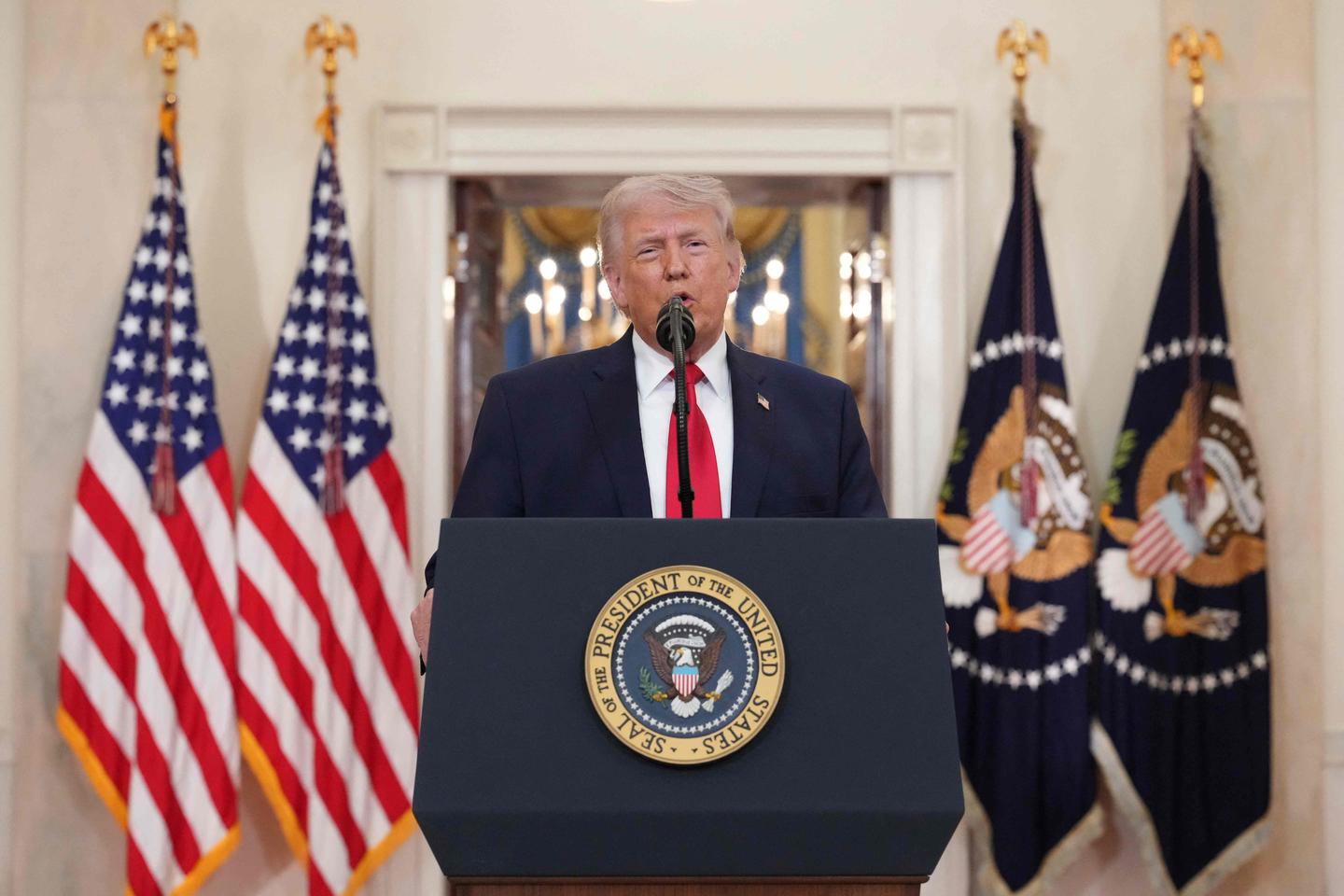
A senior IRGC adviser said Iran could continue the confrontation until US President Donald Trump leaves office, arguing that a long conflict could impose political and economic costs on Washington while allowing Tehran to demonstrate its ability to withstand pressure.
The comments reflect Iran’s broader strategy of avoiding a quick settlement while attempting to weaken US political support for the conflict. Iranian officials have repeatedly argued that time and economic pressure could work against Washington, particularly as concerns grow over fuel prices, military costs and international pressure.
The confrontation has centred heavily on the Strait of Hormuz, one of the world’s most important energy shipping routes. Iran has maintained restrictions on shipping through the waterway, while the United States has increased pressure through military deployments and economic measures.
The prolonged standoff has already affected global energy markets, with traders watching closely for any escalation that could further disrupt oil supplies. The Strait of Hormuz carries a significant portion of global oil shipments, making the conflict a major concern for energy-importing countries.
US officials have continued to insist that military and economic pressure will force Tehran to change course, while Trump has argued that Washington has significant leverage through sanctions and military capability.
Iran, however, has shown little willingness to compromise on key demands, including sanctions relief, changes to US policy and guarantees regarding its sovereignty and security. Analysts say the dispute has increasingly become a test of endurance between two sides unwilling to appear weak.
The IRGC’s warning raises concerns that the conflict could move beyond a short military confrontation into a longer geopolitical struggle involving economic pressure, regional alliances and proxy conflicts across the Middle East.
International observers are closely monitoring whether either side will seek a diplomatic off-ramp or continue escalating pressure, with the outcome likely to have major consequences for global oil markets and regional stability.
