


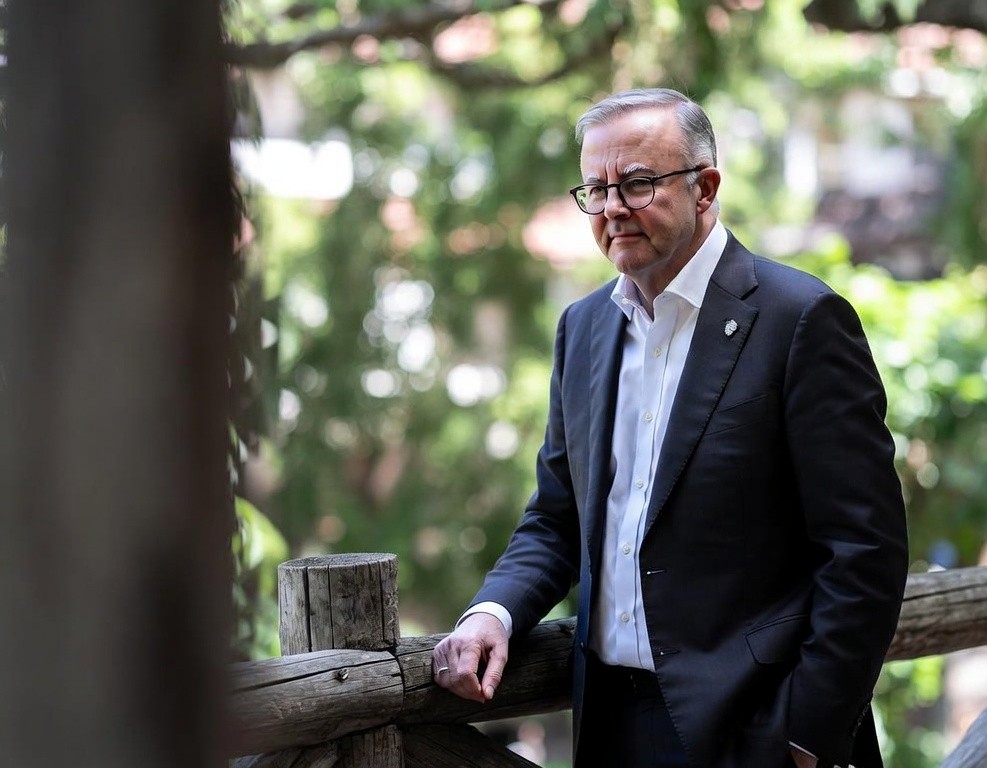
Prime Minister Anthony Albanese is increasingly relying on stability and experience as central arguments for his government, even as Labor confronts weakening voter support and growing frustration over the cost of living.
Albanese reached a significant political milestone on Friday, 14 August 2026, completing four years and 83 days as prime minister and overtaking former Labor leader Paul Keating’s time in the job. The milestone reinforces Albanese’s argument that his government has brought continuity after an era in which Australian politics was frequently disrupted by leadership changes.
Astronomy
But political longevity is not necessarily translating into greater public support.
Recent polling shows Labor’s primary vote has fallen to about 29 per cent, its weakest Newspoll result since the final period of Julia Gillard’s government in 2013. Albanese’s personal standing has also deteriorated, with his net satisfaction rating falling to minus 22.
Despite those numbers, Albanese continues to hold an advantage when voters are asked who they prefer as prime minister. The polling places him ahead of both One Nation leader Pauline Hanson and Opposition Leader Angus Taylor, giving Labor one reason to remain confident despite the deterioration in its primary vote.
The broader political environment, however, has become significantly more difficult for the government.
Australians remain concerned about living costs, inflation, housing affordability and interest rates, while dissatisfaction with the government’s economic management has placed pressure on Labor following its May budget.
The end of temporary fuel-excise relief has added to household pressure and has been cited as another factor contributing to Labor’s declining support.
At the same time, traditional political loyalties are becoming increasingly fragmented.
The Coalition itself is polling at only about 18 per cent, meaning Labor’s difficulties have not translated into a conventional surge toward the opposition. Instead, One Nation has risen dramatically and is polling around the same level as Labor, while the Greens and other minor parties are also attracting dissatisfied voters.
That creates an unusual political challenge for Albanese.
Rather than facing one dominant opposition party, Labor must contend with voters moving in several directions because of dissatisfaction with the established political system. Issues including immigration, housing, economic pressures and national security have helped fuel support for alternatives to the two major parties.
Against that backdrop, stability is becoming an important part of Albanese’s political pitch.
His government has maintained strong internal party discipline, and there is currently no obvious leadership challenger threatening his position inside Labor. That stands in contrast with the leadership instability that affected several Australian governments during the decade before Albanese came to power.
Albanese has also repeatedly emphasised practical government, cabinet processes and gradual policy delivery rather than dramatic political disruption. Supporters see that approach as evidence of dependable government, while critics argue stability alone will not satisfy voters if their financial circumstances continue to deteriorate.
That distinction may become increasingly important.
Political stability can help a government survive internal pressures, but voters ultimately judge governments on outcomes such as household finances, housing availability, wages and economic confidence. The recent polls suggest a growing number of Australians do not currently believe those outcomes are improving quickly enough.
Albanese therefore enters the next phase of his second term with a significant parliamentary advantage but a considerably more difficult public-opinion environment.
His longevity now gives him another credential to promote: experience and stability at the top of government. But the political question is whether that message will remain persuasive while cost-of-living pressures continue to dominate voters’ concerns.
For Albanese, surviving longer than previous Labor leaders is an important milestone. Turning that longevity into renewed voter confidence will be the much harder task.
Source: Australian Financial Review, with polling and political developments independently cross-checked against contemporary reporting.
