


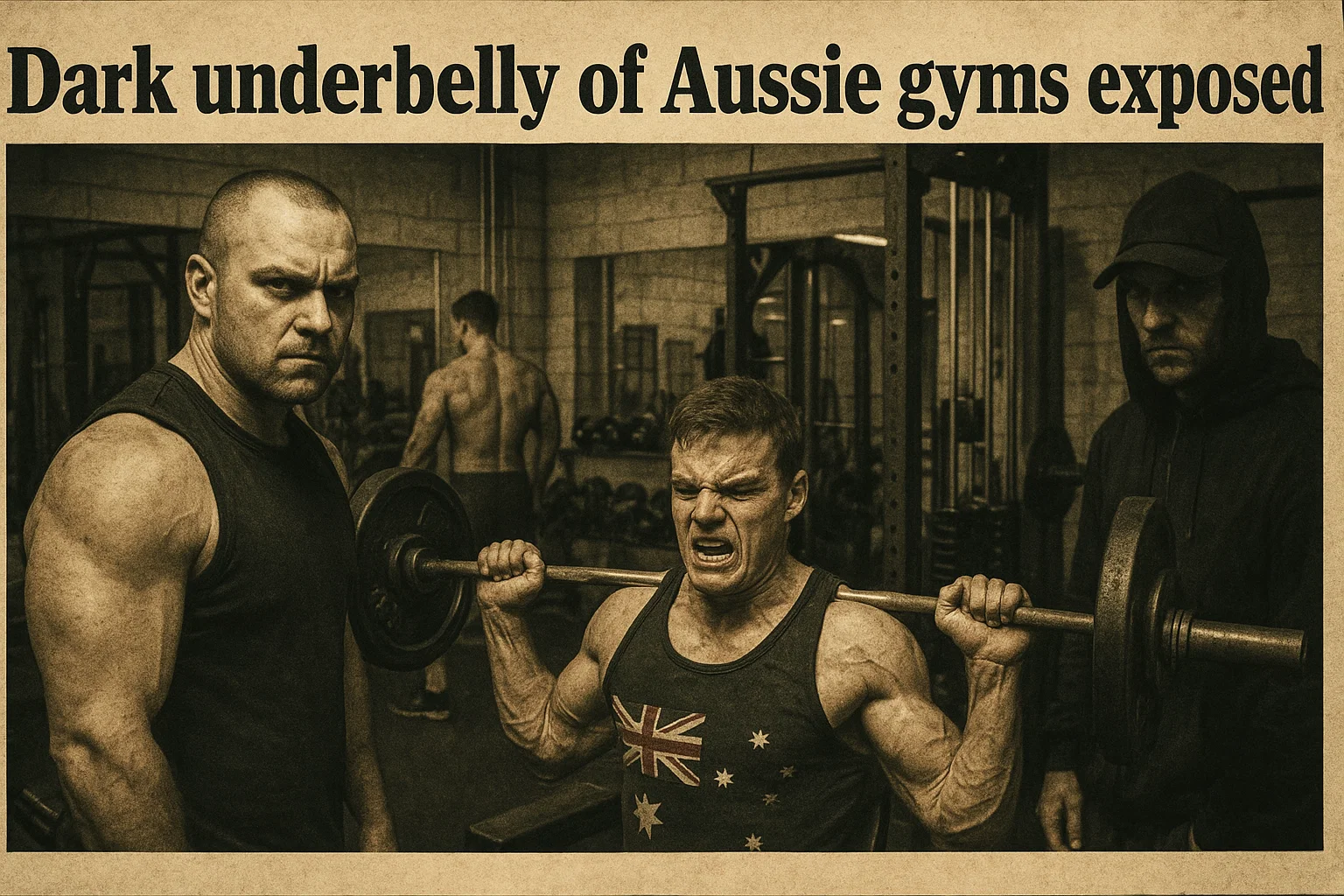
Australia’s booming fitness sector is under increasing scrutiny, with gym owners and industry leaders calling for urgent government intervention to combat rising criminal activity and questionable business practices.
Amid reports of gang links, arson attacks, and money laundering, leading voices in the industry are demanding the introduction of a mandatory national licensing system for all gym and fitness operators to safeguard consumers and uphold professional standards.
Gyms Linked to Organised Crime
From Melbourne to the Gold Coast, gyms have become targets or fronts for criminal enterprises. In Melbourne, a gym tied to slain gangland figure Sam ‘The Punisher’ Abdulrahim was firebombed just months before his January murder. A separate 2023 arson attack in Dandenong saw a vehicle rammed into a gym before being set alight.
Sydney’s Fitness First Rockdale was the site of the infamous 2018 shooting of former bikie boss Mahmoud ‘Mick’ Hawi, highlighting how entrenched criminal elements have become in parts of the industry.
Industry Veterans Speak Out
Gold Coast fitness business owner Jenny Singh is among those raising the alarm.
“Gangs are infiltrating gyms, using them for illegal operations like money laundering,” she warned. “Licensing is essential to keep bad actors out and maintain public trust.”
Veteran fitness professional Jane Kilkenny, founder of Victoria’s Fitness Energy, says low barriers to entry have attracted unqualified and unscrupulous operators.
“A proper licensing framework should require registration for both gym businesses and staff delivering fitness services,” Kilkenny said. “The only pushback would come from those who don’t want to meet these basic standards.”
She added that raising standards is key to unlocking the industry’s full potential as a contributor to national health outcomes.
Covid Aftermath Fuelling the Problem
Todd Howard, CEO of TBH Group and a Snap Fitness franchise operator, says the post-Covid fitness boom brought a rush of inexperienced operators into the market, exacerbating the problem.
“Big franchises already have rigorous vetting, but many new entrants don’t,” he said. “Licensing would ensure minimum safety and compliance benchmarks across the board.”
A Framework Already Exists — But It’s Voluntary
AUSactive, the national fitness peak body, already manages a Register of Professionals and a National Fitness Industry Code of Practice, outlining best practices and safety standards. However, participation is optional.
With proper policy backing, AUSactive believes the fitness sector could become “one of the most professional and consumer-trusted components of the health industry.”
Next Steps: Government Urged to Act
Leaders are now pressing the federal government to initiate a Senate inquiry and draft national licensing laws similar to those governing childcare and aged care sectors.
“There’s never been a more critical moment to secure the industry’s future integrity,” said Howard. “Licensing isn’t about bureaucracy — it’s about creating a safe, trustworthy environment that benefits both operators and the public.”
