


Treasurer Jim Chalmers has strongly criticised suggestions from One Nation that Australians should be given broader access to their superannuation savings before retirement, warning such changes could undermine the long-term financial security of millions of workers.
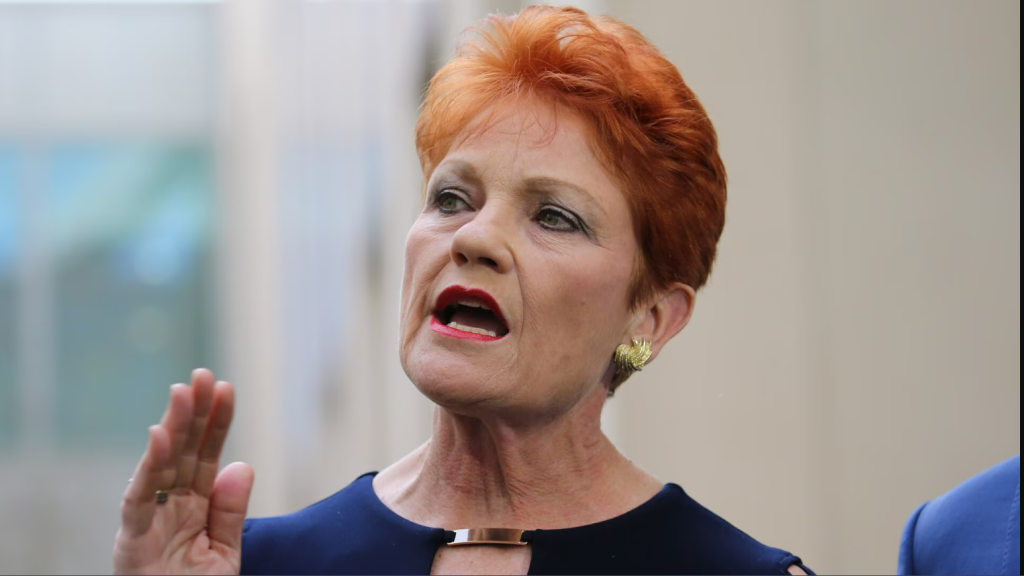
The debate intensified after One Nation leader Pauline Hanson indicated the party was open to reconsidering how compulsory superannuation works, particularly for Australians struggling with mortgages and rising living costs.
Although One Nation has not yet announced a formal policy, Hanson suggested people facing financial pressure should potentially be able to use more of their retirement savings earlier.
She argued that superannuation belongs to workers and that people who have effectively sacrificed part of their wages to build those savings should have greater freedom to use the money when they are experiencing serious financial difficulties.
Her comments prompted a sharp response from Chalmers, who said expanding early access could threaten the future strength of Australia’s compulsory superannuation system.
The Treasurer accused One Nation of promoting an approach that could significantly weaken workers’ retirement outcomes.
He also linked the debate to previous Coalition proposals allowing Australians to use superannuation for housing, arguing that policies encouraging people to withdraw retirement savings early could ultimately leave them financially worse off.
Chalmers said compulsory superannuation was a major source of long-term economic security for Australian workers and warned that reducing balances during working years could have lasting consequences in retirement.
The Coalition, however, has not ruled out revisiting policies that would give Australians more flexibility over how their superannuation is used.
Deputy Liberal leader Jane Hume said home ownership was a crucial measure of economic security and argued that owning a property could be more important to an individual’s financial position than simply having a larger superannuation balance.
She said the Coalition had not yet taken a new early-super policy to shadow cabinet but confirmed that the issue could be considered through the party’s normal policy-development process.
Opposition Leader Angus Taylor also expressed support for giving Australians greater flexibility over how they invest and manage their retirement savings.
The renewed political debate comes as cost-of-living pressures, mortgage repayments and housing affordability remain major concerns for many households.
Under current rules, Australians can access their superannuation early only in limited circumstances.
The Australian Taxation Office can approve early access on compassionate grounds for certain expenses, including medical treatment, funeral costs relating to a dependent and situations where money is required to prevent foreclosure or the forced sale of a person’s home.
Australians experiencing severe financial hardship can also apply directly to their superannuation fund, provided they meet the eligibility requirements.
One Nation is now advocating for a broader interpretation of financial hardship and compassionate circumstances.
One Nation MP Barnaby Joyce said Australians who are struggling to meet basic living costs should potentially have greater access to their own retirement savings.
He argued that financial hardship should include circumstances where people cannot afford essentials such as food or are at risk of homelessness.
Joyce said Australians who were forced to live in cars because they could not afford housing were clearly experiencing serious hardship and questioned why they should face strict restrictions when trying to access money held in their own superannuation accounts.
Supporters of greater early access argue that people should have more control over their savings, particularly when dealing with immediate financial emergencies.
Critics, however, warn that withdrawing superannuation early can have significant long-term consequences because workers lose not only the amount withdrawn but also decades of potential investment returns and compound growth.
The issue is becoming another significant political dividing line over Australia’s retirement system.
One Nation’s comments have reopened a broader debate about whether compulsory superannuation should remain primarily focused on retirement or whether Australians should have greater freedom to use some of those savings for major financial pressures earlier in life.
For the government, the priority remains protecting retirement balances and preserving the compulsory superannuation system.
For One Nation and sections of the Coalition, the debate centres on whether Australians should have more control over their own money when confronted with immediate pressures such as housing costs, mortgage stress and severe financial hardship.
With household budgets continuing to face pressure, early access to superannuation is likely to remain a contentious issue in the lead-up to future federal political contests.
