


For decades, US 10-year Treasury bonds have been regarded as virtually risk-free investments. But that perception is shifting — and it has the Reserve Bank of Australia (RBA) concerned about the risk of a “cataclysmic” economic event.
Typically, investors lending money to the US government through 10-year bonds could expect steady returns — about 4.25% annually. These bonds have been so stable that they serve as a benchmark for other financial instruments, such as mortgage-backed securities.
But what happens when US debt is no longer viewed as completely safe and investors demand higher returns?
The ripple effect is global — and it directly impacts Australia.
Trump’s Tax Plan Spooks Investors
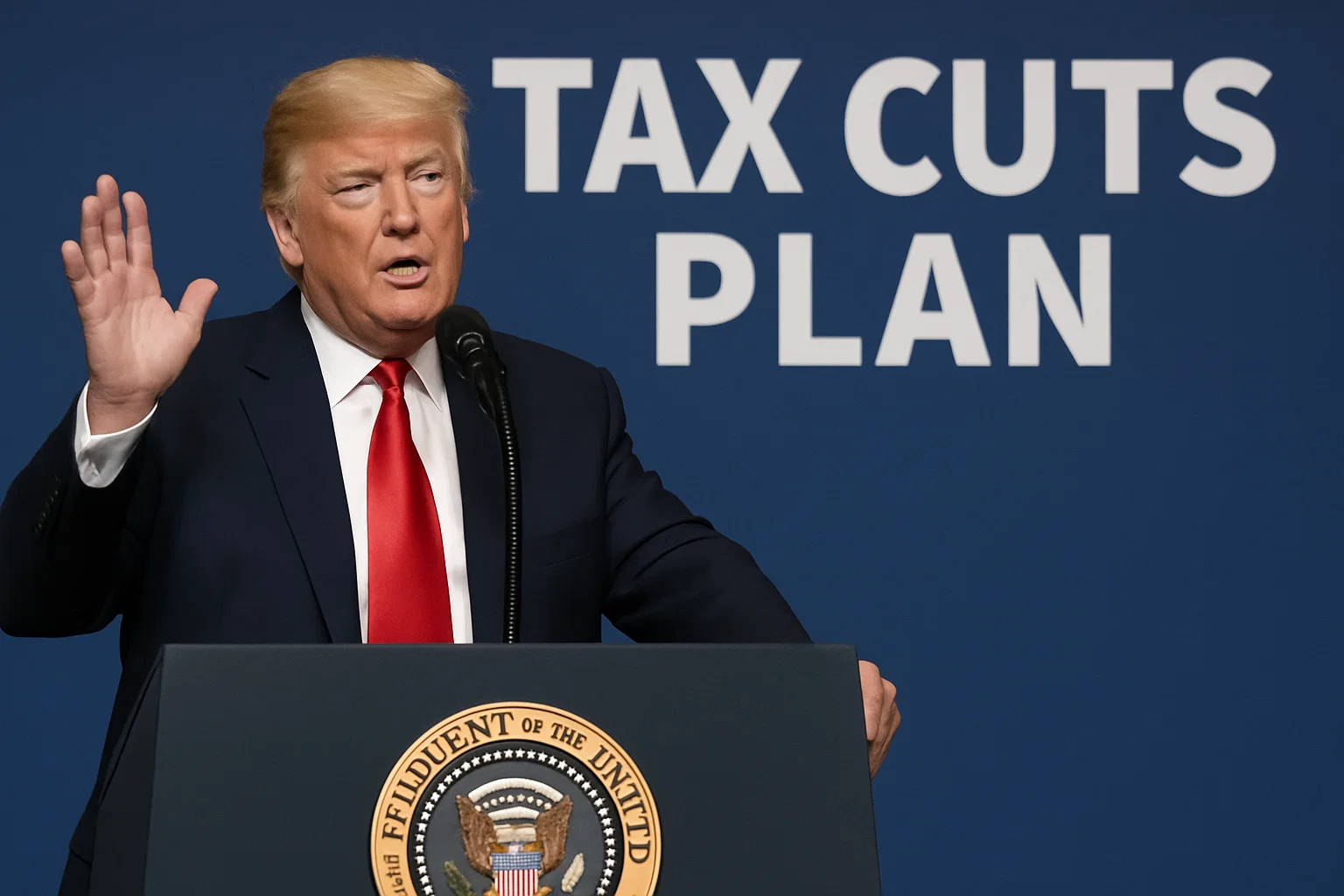
Confidence in US government debt has been shaken, with the latest trigger being Donald Trump’s “Big Beautiful Bill” — a massive tax cut package expected to add $3–5 trillion to the national debt over the next decade.
Before the bill passed the US House of Representatives (by a single vote), the US Treasury tried to auction $16 billion in 20-year bonds but faced sluggish demand.
The result? A sharp increase in bond yields, especially for longer-term securities. The 30-year Treasury yield hit 5.13% — its highest level since 2007. Meanwhile, 10-year yields climbed past 4.5%.
“We’ve had one of the most aggressive inflationary periods and rate hike cycles in decades,” said James Wilson from Jamieson Coote Bonds. “The bond market is reacting accordingly.”
Adding fuel to the fire, Moody’s recently downgraded US debt from its top Aaa rating to Aa1 — a subtle but significant sign that lenders now see more risk.
Why This Matters to Australia
Because US Treasury bonds are widely used as benchmarks, rising yields increase borrowing costs across the board — for businesses, consumers, and governments worldwide.
“The 10-year US Treasury is essentially the global cost of capital,” Wilson explained. “It affects corporate loans, sovereign debt, and even mortgage rates.”
If yields continue to rise, it could push the US into recession, which would ripple through global economies — including Australia and China — potentially slowing growth and job creation.
Equity markets could also be hit. As bond yields rise, the “risk-free” return from government bonds improves, making shares less attractive and driving down prices. If both stocks and bonds fall, borrowing conditions tighten, further squeezing economic activity.
“When both asset classes drop, funding becomes more expensive,” said Barrenjoey strategist Andrew Lilley. “This can force central banks like the RBA to lower interest rates.”
RBA Reacts to Emerging Threats
The Reserve Bank of Australia has already taken precautionary steps. It recently reduced the cash rate from 4.1% to 3.85%, citing the potential for a severe global downturn.
“We are absolutely on alert for that kind of scenario,” RBA Governor Michele Bullock said when asked about the risk of a financial crisis or recession. “It’s part of our job to worry about these things.”
While Bullock emphasised that the probability of a major economic collapse remains low, the risk has increased — enough for the RBA to factor it into its decision-making.
The central bank has also revised its unemployment forecast slightly, now expecting a peak of 4.3%, up from 4.1%.
“The RBA is clearly concerned about global growth,” said Wilson.
A Brewing Debt Crisis
According to analysts, concerns over the sustainability of US debt aren’t new — they’ve been building for decades. But Trump’s sweeping tax plan has brought them into sharp focus.
“We’re not seeing a sudden collapse, but there’s a collective realisation happening,” said Lilley. “Yields are rising not just because of the news, but because the risk is finally being acknowledged.”
In short, years of unchecked borrowing by the US government are catching up with financial markets. And the global economy — including Australia — is watching closely.
