


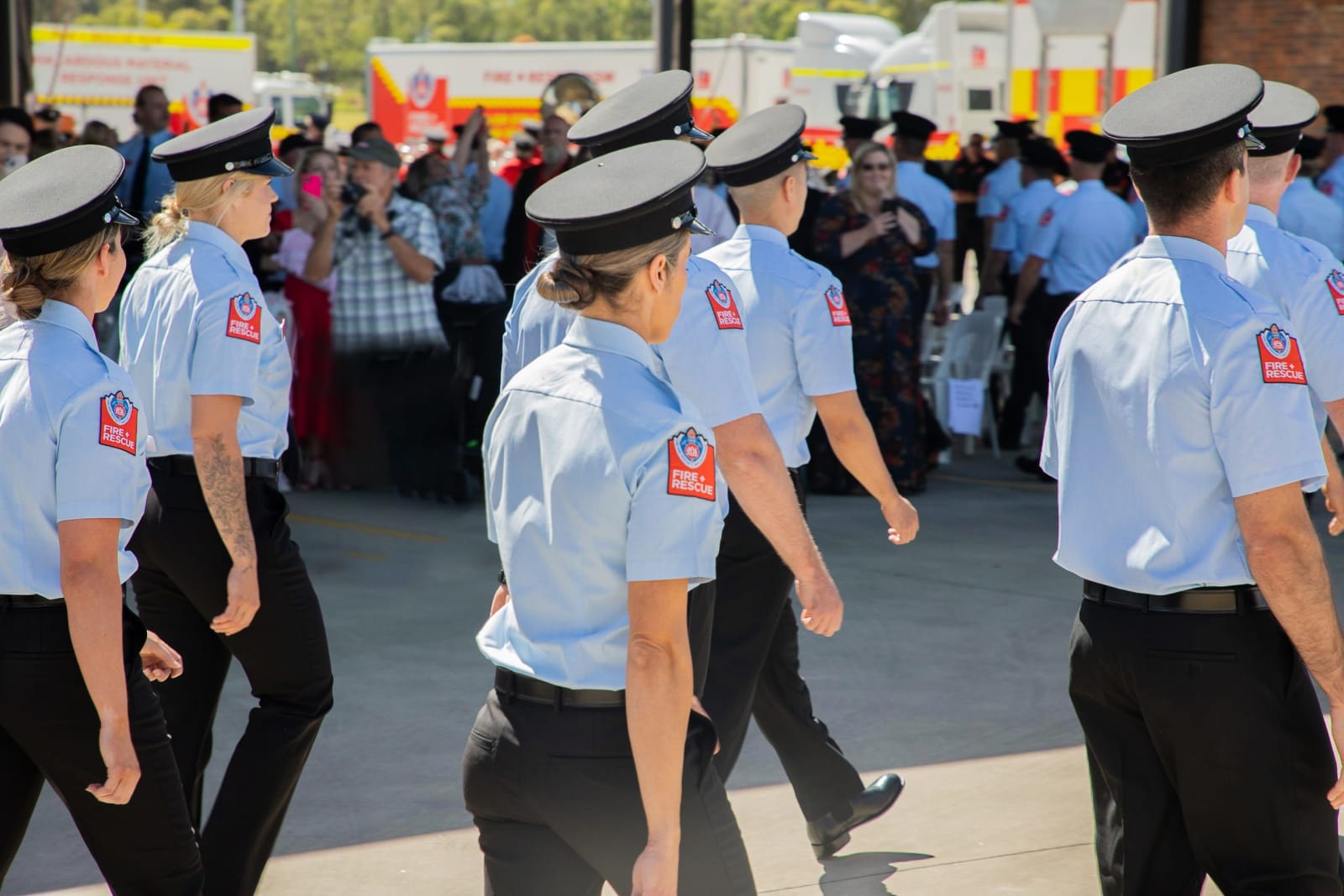
Fire and Rescue NSW has welcomed 163 newly trained firefighters into its ranks as the state confronts a troubling rise in deaths linked to winter house fires.
The new cohort, made up of 81 permanent firefighters and 82 on-call firefighters, graduated at a ceremony at Sydney Olympic Park after completing intensive training designed to prepare them for fires, rescues and a wide range of emergency situations.
Their graduation comes at a particularly challenging time for NSW communities. Since late July, seven people have died in structural fires across the state, bringing the total number of fire-related deaths this winter to 15.
The latest tragedy occurred at Swansea Heads, south of Newcastle, where a child died following a house fire. The incident has again highlighted the dangers of residential fires during the colder months and the importance of prevention, early detection and rapid emergency response.
FRNSW Commissioner Jeremy Fewtrell said the newest firefighters would have an important role in protecting communities, preventing fires and responding when lives are at risk.
Many of the recruits already have experience in high-pressure and emergency environments. Some have rescued swimmers and performed CPR on beaches, while others have previously worked as paramedics, police officers or in situations involving serious workplace incidents, including assisting injured workers after a mine collapse.
Among the graduates are 10 existing on-call firefighters, including two Deputy Captains, who are now transitioning into permanent firefighting roles after already serving their local communities.
The wider group brings a diverse range of professional backgrounds. Some recruits previously worked with NSW Ambulance, NSW Police, the Australian Defence Force and Surf Life Saving, while others have careers in teaching, engineering, electrical work, carpentry, construction, physiotherapy, disability support and business.
One recruit is also continuing a remarkable family history of public service. Members of his family have collectively served for more than 380 years across police and ambulance services, and he will become the first firefighter in the family.
The graduating class also includes a physiotherapist who coached Australia’s national dragon boat racing team at the 2025 World Championships, as well as recruits who have completed ultra-marathons, Ironman events and long-distance ocean swims.
NSW Emergency Services Minister Jihad Dib congratulated the new firefighters, saying each had chosen a career centred on protecting people and helping communities during their most difficult moments.
He said the graduates had arrived at FRNSW through different life and career paths but would now share the same responsibility of being ready to support people when emergencies occur.
Parramatta MP Donna Davis, who spoke at the graduation ceremony, said becoming a firefighter was both highly competitive and demanding, adding that every graduate should be proud of the work they had undertaken to qualify for the role.
Commissioner Fewtrell said the timing of the graduation carried added significance because many families across NSW were still grieving loved ones lost in recent winter house fires.
He said the recent fatalities were a powerful reminder of the responsibilities firefighters accept when joining the service, including preventing fires, protecting communities and preparing to respond to unpredictable emergencies.
Fewtrell also stressed that firefighting requires far more than physical fitness. Firefighters must be able to make decisions under pressure, work effectively as part of a team, communicate with people from different backgrounds and adapt quickly as emergency situations change.
The addition of 163 firefighters is expected to strengthen FRNSW’s capacity across the state at a time when winter fire safety remains a major concern.
Authorities continue to urge households to remain vigilant about fire hazards, particularly during colder weather when heaters, fireplaces, electrical appliances and other sources of heat can increase the risk of residential fires.
The new graduates will now begin serving communities across NSW, joining frontline crews responsible for fire prevention, rescue operations and emergency response at one of the busiest and most demanding times of the year.
