


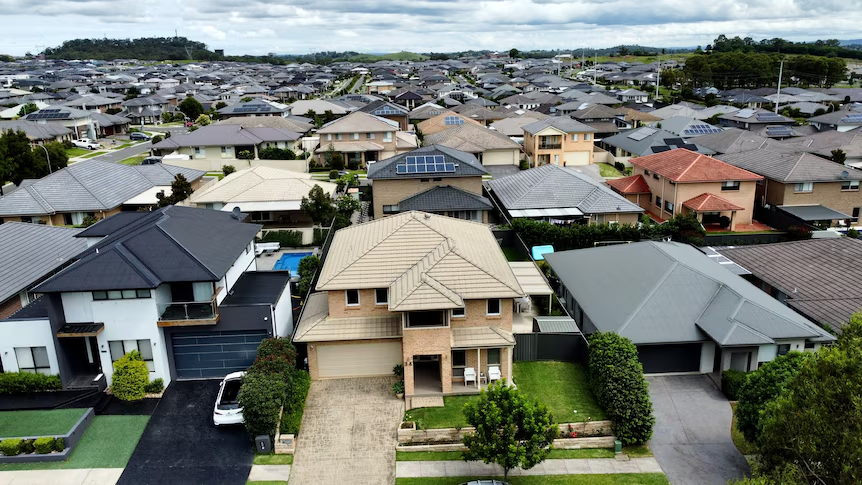
Australian house prices continue to climb, driven by recent and anticipated interest rate cuts, with expectations of further growth as more buyers re-enter the market.
Property analysts project that combined capital city dwelling prices could rise between 6% and 10% by late this year or early 2026.
According to data from Cotality (formerly CoreLogic), home prices increased again in May, with the national Home Value Index rising by 0.5%, bringing the total increase for the first five months of the year to 1.7%. All capital cities recorded at least a 0.4% gain in May.
Cotality’s Head of Research, Eliza Owen, attributes the ongoing price growth to both current and expected interest rate cuts.
“Most major banks anticipate two more rate cuts this year, and that’s likely to push property values and sales activity even higher,” Owen said.
“A 6% to 10% increase in prices by early next year is possible, but I’d lean towards the lower end of that range.”
However, she added that affordability constraints—especially as the median house value in combined capital cities now exceeds $1 million—along with rising unemployment and slow wage growth, may limit the extent of price increases.
Owen also noted that Labor’s policies to support first home buyers, like the expanded 5% deposit scheme launching next year, could already be lifting buyer interest. Some may enter the market early to avoid increased competition in 2026.
“When demand-boosting policies coincide with limited housing supply, prices tend to rise,” she said.
More experts expect housing values to continue climbing.
Louis Christopher, Head of Research at SQM Research, also expects rate cuts to drive up property prices due to heightened demand and restricted supply. His firm forecasts capital city home prices to rise by 6% to 10% next year.
Christopher anticipates the Reserve Bank will lower the cash rate by 0.25% at its July 8 meeting, or possibly by 0.5% if the economy shows further signs of weakness, such as slow GDP growth or a softening jobs market.
He expects dwelling price increases by next year to range from:
- Sydney: +3% to +7%
- Melbourne: +2% to +6%
- Brisbane: +11% to +16%
- Perth: +15% to +20%
- Adelaide: +10% to +14%
- Hobart: +1% to +5%
- Canberra: +2% to +6%
He pointed to rising auction clearance rates and increased market activity as further signs that buyer demand is rebounding. Population growth and a persistent housing supply shortage are also pushing prices higher.
While the federal government aims to build 1.2 million homes by FY2029, Christopher estimates a shortfall of 250,000 to 400,000 dwellings, keeping supply tight relative to demand.
Mortgage brokers are also seeing renewed interest from buyers.
Gino Farina, founder of Bondi Broker, says expectations of more rate cuts are encouraging more people to enter the market.
“Rate cuts increase borrowing capacity and buyer confidence,” he said.
“We’re helping many first home buyers take advantage of government programs. Investors and upgraders are still active, though it’s more challenging.”
He added that buyers are adjusting their expectations to align with what they can afford.
Melbourne and Canberra house prices are recovering from annual declines.
According to Cotality’s Owen, the recent monthly rise in house values follows a brief decline of 0.4% over the three months ending January 2025. A rate cut in February helped boost prices.
Still, annual national price growth slowed to 3.3%—the lowest since August 2023. Only Melbourne (-1.2%) and Canberra (-0.7%) recorded yearly declines, though both cities are now trending upward.
Capital city markets are becoming more aligned, with the gap between the best- and worst-performing cities narrowing to 9.8 percentage points—its smallest since March 2021.
“We’re seeing growth converge across capital cities,” Owen said.
“Cities like Brisbane and Adelaide have slowed to quarterly growth rates of about 1%–1.5%, while previously lagging cities like Melbourne and Canberra are now growing. Sydney is seeing quarterly growth of 1.1%.”
Regional housing markets are also rising, with every state outside the capitals recording gains so far in 2025. Regional South Australia has seen the strongest growth, up 3.8% this year.
Rental market growth is slowing, especially in major cities.
Owen said Sydney and Melbourne now have some of the softest rental markets, following a period of rapid rent increases. Although vacancy rates remain historically low—below 2% compared to the decade average of 2.7%—rental growth has eased.
“Rent prices have grown about 3% to 3.5% in the past year, down from around 8% the year before,” she said.
“We expect rent increases to keep slowing, potentially stabilising soon.”
