


The United States and Iran have paused military attacks against each other for multiple days, offering a brief moment of de‑escalation in the months‑long conflict that has disrupted regional stability and global shipping lanes.
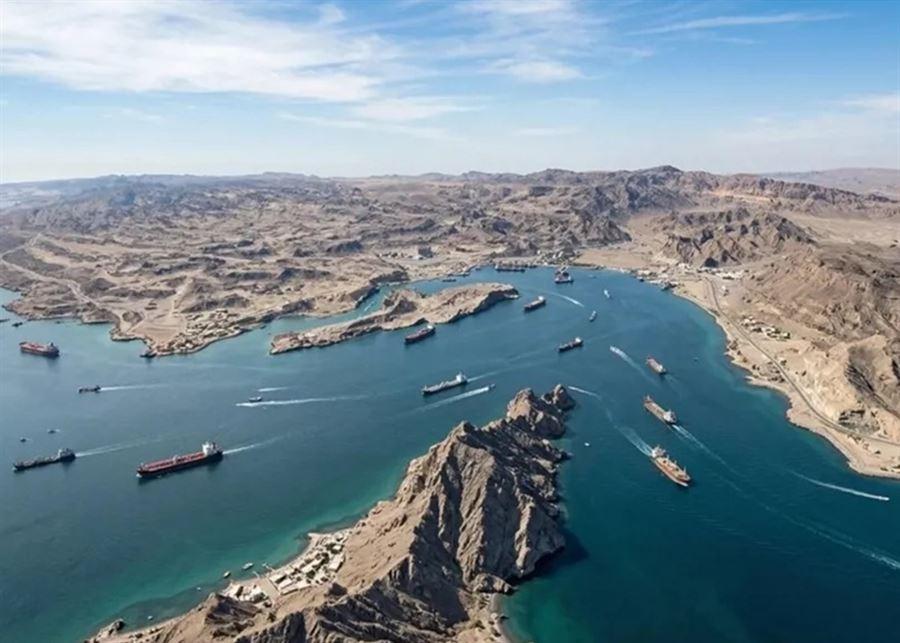
The pause follows more than a week of intense hostilities in the Strait of Hormuz, a crucial waterway through which roughly one‑fifth of the world’s oil supply normally transits, and which has been a major flashpoint in the dispute.
U.S. forces halted air strikes after military commanders warned that continued bombing was reaching its limits, and Iran said it would halt retaliatory strikes as long as the U.S. pause holds — a reciprocal stand‑down emphasising a temporary cessation of violence.
Diplomats from Oman have been actively mediating between Tehran and Washington, focusing on reopening safe commercial navigation through the Strait and restoring broader ceasefire conditions. Oman’s role reflects its longstanding position as an intermediary in Gulf‑related negotiations.
Sources close to the talks say progress has been made on technical discussions about safe passage and interim arrangements, though no final deal has yet been announced. The pause has boosted hopes for progress in diplomacy, even if deeper strategic disagreements — including Iran’s demands over navigation rights and nuclear and security issues — remain unresolved.
Market reaction to the pause was immediate. Oil prices saw one of their largest one‑day declines in months, as traders reacted to the reduced risk of supply disruption through the strait.
Even so, analysts caution that the situation remains fragile. Should talks stall or violence resume, tensions could quickly escalate again given the conflict’s complexity and the high strategic stakes for shipping, regional actors and global energy markets.
